
当日/次日达

品质保障

开启新人专享福利: 全场免邮 | 低至 2 折 | 免费试用 30 天 JoyPlus 会员
下载 Joybuy
Shopping for cleaning products can often be a real headache. Between marketing promises, complex formulas, and a jungle of labels, it's easy to feel lost. The result: cupboards full of half-empty bottles that fail to deliver. As a product expert at Joybuy, my mission is simple: to help you see things more clearly. Say goodbye to useless purchases and hello to smart choices tailored to your real needs and budget.
Before you dive headfirst into the cleaning aisle, let's review the common pitfalls that make us spend more for disappointing results.
To make the right choice with confidence, here are the key points to check. This will help you decipher labels and choose a product for what it actually does, not for what its marketing promises.
A product's performance depends on its active agents. You don't need to memorise scientific jargon, but understanding their roles will help you choose the right tool for the right job:
The container is as important as the contents. An unsuitable format can make cleaning more difficult and less effective.
Let's move from theory to practice. Here is a selection of products that meet clear needs, avoiding the pitfalls we've just discussed.
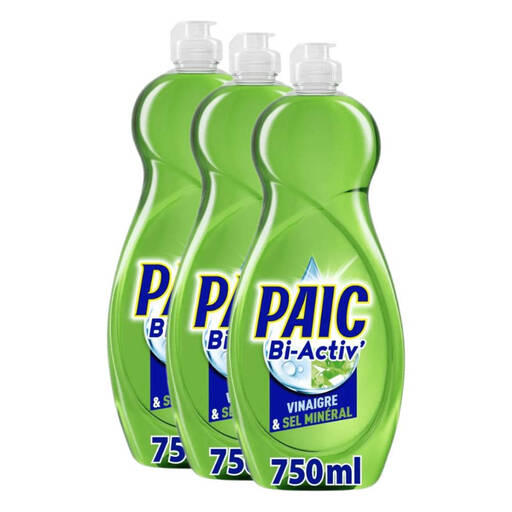
Why it's a great choice: This multi-pack is the perfect solution for families who want to keep their budget in check without compromising on effectiveness. Washing dishes is a daily chore. This format allows you to stock up and get an unbeatable cost per litre.
No complex concentrated formula here. This is a tried-and-true classic that's easy to dose, ensuring consistent performance without the risk of overuse or waste. Buying in bulk takes care of the rest for your wallet.
Bi-active formula with vinegar and mineral salt for enhanced degreasing power. Effective even in cold water (from 18 °C), which leads to significant energy savings.
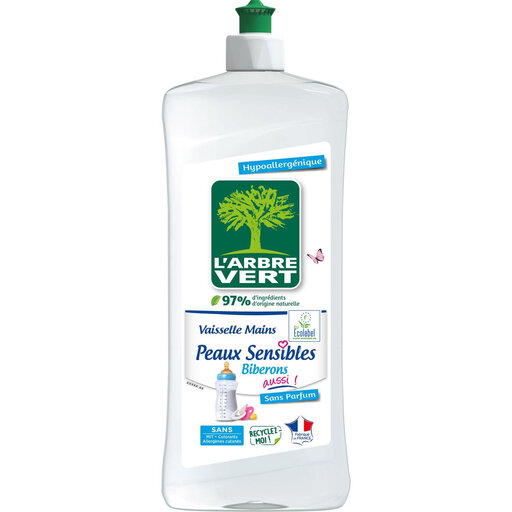
Why it's a great choice: The solution for reactive skin and for cleaning dishes for the little ones (bottles, pacifiers...). Its formula minimises the risk of skin allergies while remaining tough on grime.
It avoids the "greenwashing" trap thanks to its European Ecolabel certification. This is tangible proof of its healthier formulation, not just a marketing claim. The "hypoallergenic" mention is a validated criterion here.
Fragrance-free, dye-free, and free of known skin allergens. Made with 97% ingredients of natural origin and manufactured in France.
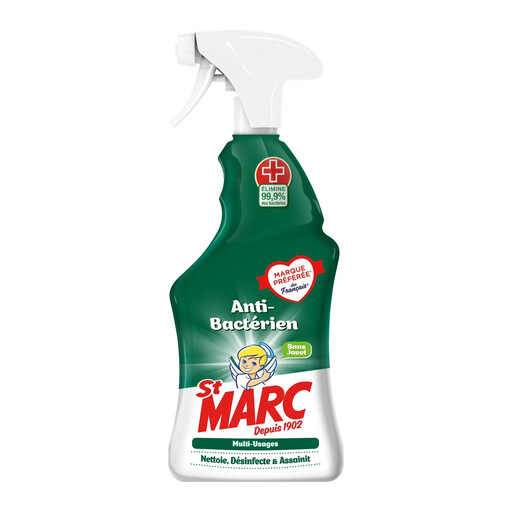
Why it's a great choice: For those who want targeted disinfecting action in the kitchen or bathroom, but without the smell and hassle of bleach. The spray format is perfect for quick application on countertops, door handles, or taps.
It doesn't fall into the trap of the catch-all "all-purpose" cleaner. It clearly positions itself as an antibacterial cleaner. Its effectiveness is not an empty promise: the manufacturer guarantees it eliminates 99.9% of bacteria. That's a number, not just marketing.
Bleach-free formula that cleans and disinfects washable surfaces. Leaves a lasting shine and a fresh lemon scent.
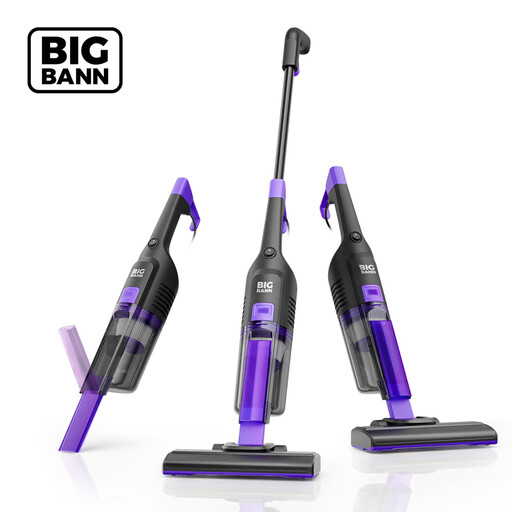
Why it's a great choice: This corded stick vacuum is the clever solution for apartments or as a secondary vacuum. Its light weight (around 1.2 kg) and versatility (stick, handheld) make it perfect for quick clean-ups on hard floors, stairs, or pet hair.
It avoids the trap of expensive and complex high-power cordless models. Its advantage? Being corded, it delivers consistent suction power (18 kPa) without ever running out of battery—the Achilles' heel of many entry-level devices.
Flexible 3-in-1 design and vertical storage for a small footprint. Washable HEPA filtration that captures fine dust particles.
Discover our full selection of products that meet our selection criteria and current regulations.
1. Can I mix bleach with other cleaning products? Absolutely not! You should never mix bleach with other products, especially those containing ammonia or acids (like some descalers). This mixture can release extremely toxic, and even fatal, chlorine gas. Always read labels and safety instructions carefully.
2. Is an eco-friendly household product really as effective as a conventional one? Yes, absolutely. To obtain the European Ecolabel certification, a product must prove it is at least as effective as a leading conventional product for the same use. The certification covers not only biodegradability but also performance. So you no longer have to choose between effectiveness and ecology.
3. What is the difference between an antibacterial cleaner and a disinfectant? In Europe, these terms have specific, regulated meanings. An antibacterial product prevents or limits the growth of bacteria. A disinfectant (or biocide) must prove, with supporting standards, its ability to kill a very high percentage of microorganisms (bacteria, viruses, fungi), often 99.9%. This efficacy is validated by European standards (EN standards), such as EN 14476 for virucidal activity. Therefore, the action of a disinfectant is much more powerful and certified than that of a simple antibacterial cleaner.