Who is this choice for?

Travellers bringing a gift to share

If you plan to give the chocolate during a meal or when you arrive, consider how it’s presented and how much there is to share. Kantar Media France associates assortments with sharing in its study of chocolate consumers, while Lindt presents its boxes and ballotins as formats for gifting.

Travellers short on cabin space

A flat chocolate bar may be easier to pack than a bulky gift box, as long as you protect it from being crushed. Paris Aéroport notes that baggage weight, size and quantity limits depend on the airline.

Shoppers who check ingredients

If the recipient needs to avoid certain ingredients, check the label on the specific product rather than relying on the brand name or type of chocolate alone. The ingredients list, highlighted allergens and sugar content per 100 g can help you compare pre-packed products.

What should you look for?

When choosing chocolate to give before a meal or a flight, first decide whether presentation, ease of transport or ingredients should guide your choice of format.

What matters to you What to check Who is it for?
A gift to share Choose between a box, ballotin or bars based on how many people will share it; check the net weight and varieties included. If I’m bringing chocolate to share over a meal, I want a presentable format that’s easy to share. Around 45% of consumers prioritise this gifting intention.
Keeping it safe in transit Check how well the packaging protects the chocolate and how much room you have in your bag; check your airline’s baggage limits. If my bag is already full, I’d rather take a format I can tuck in safely without crushing it during the journey. Around 36% of consumers prioritise compactness and protection over presentation.
A recipe that suits the recipient Read the allergen information and any ‘may contain’ warnings; compare sugars and other nutritional values per 100 g. If I know which ingredients the recipient needs to avoid, the label matters more than the assortment or format. This is the priority for around 19% of consumers.

What should you avoid?

  • Ruling out a chocolate bar because it doesn’t display Nutri-Score

    France’s Ministry of the Economy states that this logo is optional in France. Its absence is no substitute for checking the nutrition declaration and ingredients list.

    When comparing pre-packed products, look in particular at sugars and other nutritional values per 100 g. Treat Nutri-Score as additional information when it appears on the packaging.

  • Assuming an assortment is suitable for everyone

    The different chocolates in a gift box may contain different ingredients. Lindt notes, for example, that none of its products is guaranteed to be free from tree nut allergens.

    Before giving the box, read the allergen information and any ‘may contain’ warnings on the packaging of the exact product, particularly if the recipient has a known allergy.

  • Leaving the chocolate exposed during the journey

    Heat can spoil the presentation of your gift, while a gift box or bar that isn’t secured properly could get crushed in your bag.

    Keep the original packaging, place the chocolate away from sources of heat and protect it from knocks. Before choosing a large gift box, check your airline’s baggage rules too.

  • Choosing a baking bar as a ready-to-share gift

    A bar intended for making desserts serves a different purpose from a ballotin you can give during a meal.

    Choose one if the recipient plans to bake after arriving. If you’re giving it straight away, compare the presentation of gift boxes, ballotins and bars made for eating as they are.

Which brands should you consider?

Lindt

In France, Lindt offers gift boxes, ballotins and other formats for gifting. It’s an option to consider if presentation is a priority.

  • A choice of formats to compare based on how much you need to share and the space available.
  • Lindt says that none of its products is guaranteed to be free from tree nut allergens, so check the label on your chosen assortment.

Côte d’Or

An option in bar form rather than a gift box: Carrefour, for example, lists a 200 g Côte d’Or milk chocolate bar.

  • A bar could be a good choice if you want to bring a single product to share.
  • Check the ingredients and allergens on the specific product you buy; don’t assume the information for one bar applies to the whole range.

Nestlé Dessert

Worth considering if the chocolate is for making a dessert after you arrive, rather than giving as a gift during a meal.

  • Carrefour’s milk chocolate bar is intended for desserts and recipes.
  • Check that a baking bar is suitable for how the recipient plans to use it.

Carrefour

Its own-brand bars offer a gift option in bar form rather than as an assorted box.

  • A bar may be easier to pack when your luggage is full.
  • For the Classic’ milk chocolate bar reviewed, Carrefour warns that it may contain tree nuts and cereals containing gluten. Check the packaging of the product you choose.

E.Leclerc / Marque Repère

An option if you want to bring several individually wrapped bars: E.Leclerc, for example, offers a pack of 3 × 100 g Tablette d’Or bars.

  • Separate bars can be shared between several recipients.
  • The Tablette d’Or product featured by E.Leclerc contains hazelnut paste, so check the ingredients before giving it as a gift.

Gift boxes to give

These boxed assortments are suited to choosing a gift to give and share. If luggage space is your main concern, compare their size with chocolate bars before making your decision.
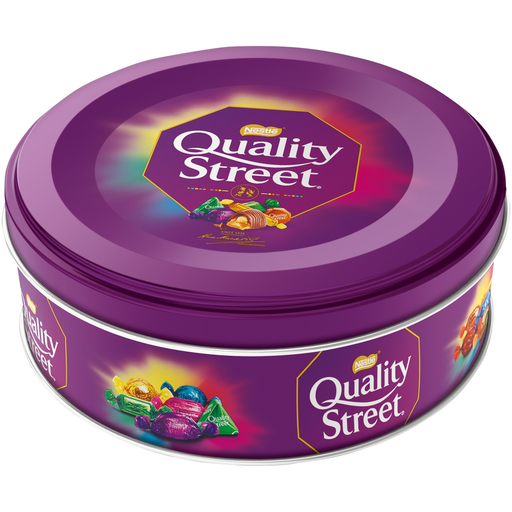
Quality Street assorted chocolates and toffees box, 400 g

Quality Street assorted chocolates and toffees box, 400 g

This 400 g box is a good choice if you want to give an assortment to share, rather than several separate bars.

Before packing it, check that it will fit in your luggage and read the exact product label for allergen information, particularly milk and tree nuts.

View on Joybuy
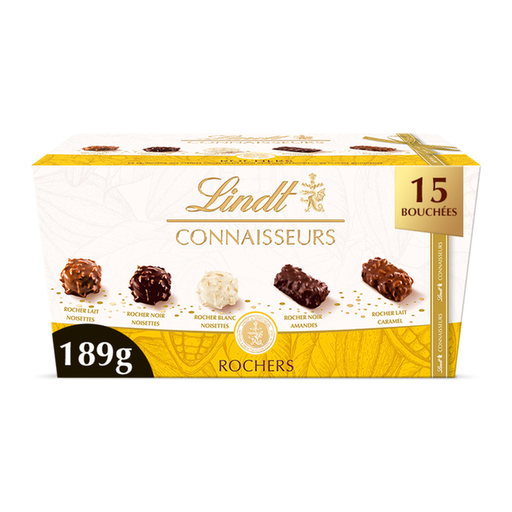
Lindt Connoisseurs assorted chocolate rochers gift box, 189 g

Lindt Connoisseurs assorted rochers gift box, 189 g

This 189 g box of chocolate rochers makes a lovely gift to give during a meal or when you arrive.

Check how much room it will take up in your luggage, and read the label on the specific box if the recipient needs to avoid certain allergens, particularly tree nuts or milk.

View on Joybuy

Frequently asked questions

Is Nutri-Score compulsory on chocolate in France?

No. France’s Ministry of the Economy states that displaying Nutri-Score is optional. When comparing pre-packed chocolate, check the nutrition declaration, particularly the sugar content per 100 g, whether or not the logo is displayed.

Does the ‘soda tax’ apply to a chocolate bar or gift box?

No, not to these solid products. Article 1613 ter of the French General Tax Code, published by Légifrance, applies to drinks and liquid preparations for drinks. Sugar content is still worth checking on the label, but it doesn’t make a chocolate bar a drink covered by this levy.

What should I check before taking a gift box into the cabin?

First, check its dimensions and weight against your baggage allowance: Paris Aéroport notes that baggage limits depend on the airline. If you’re travelling internationally, check the rules that apply at your destination too.

How do I choose chocolate for someone with an allergy?

Read the ingredients list, the allergens highlighted on the packaging and any ‘may contain’ warnings on the exact product. Don’t assume it’s free from milk, soya or tree nuts just because it says ‘dark chocolate’ or carries a particular brand name.

How can I protect chocolate during the journey?

Keep it in its packaging, somewhere dry and away from heat, and secure it to prevent knocks. For storing its chocolate, Lindt recommends a cool, dry place, ideally between 15 and 18 °C.