For a gift when you don’t know all their tastes
An assortment lets you offer several recipes in one gift. Check which ones are actually included: the advertised variety alone doesn’t tell you whether they’ll suit the recipient.


If you’re buying a gift and don’t know the recipient’s preferences well, choose an assortment and check the recipes it contains. For a festive table, start with the number of people and the net weight. If the recipient needs to avoid an ingredient, check the ingredients in the specific box before considering its size or presentation. Also check the best-before date and storage instructions.
An assortment lets you offer several recipes in one gift. Check which ones are actually included: the advertised variety alone doesn’t tell you whether they’ll suit the recipient.
When several people will be helping themselves, the net weight and the recipes matter more than the gift presentation alone. A box designed for sharing won’t necessarily serve the same purpose as a small individual box.
If the recipient needs to avoid an ingredient, check the ingredients list, allergens and any ‘may contain’ statements for the exact product before choosing it.
First, decide who the box is for and whether it will be shared. Then compare the recipes and format, and don’t put off checking the ingredients if someone needs to avoid a particular ingredient.
| What to consider | What to check | Who is it for? |
|---|---|---|
| Ingredients | The ingredients and allergens in each recipe, as well as any ‘may contain’ statements. | If the person I’m buying for needs to avoid an ingredient, I want to check the ingredients before choosing an assortment. Around 42% of consumers put this suitability first. |
| Choice of recipes | The types of chocolate and fillings actually included in the box. | If I don’t know the recipient’s tastes well, I look for a choice of recipes rather than just one type of chocolate. For around 33% of consumers, this variety is the main priority. |
| Format for sharing | The net weight and packaging, depending on the number of people. | For a festive table, I need a box that’s the right size for the group, rather than relying on how it looks. Sharing size comes first for around 25% of consumers. |
A festive box may include recipes containing milk, nuts, soya or cereals containing gluten, among other ingredients. Its appearance won’t tell you whether it’s suitable for someone who needs to avoid a particular ingredient.
Before giving the box as a gift, read the label for the exact product, including any ‘may contain’ statements.
These details don’t mean the same thing: the Grand coffret de Chocolat de Neuville product page says it is made in France, while stating that the cocoa beans come from outside the EU.
If the cocoa’s origin matters to you, look for information that refers specifically to the beans, not just where the chocolates are made.
A small box may work as an individual gift, but it won’t necessarily suit the same purpose as a box placed on a table for several guests. Weight also doesn’t tell you how many recipes are included.
Decide how many people it’s for, then compare the net weight and contents of the boxes.
If you buy a box before Christmas, you need to be able to store it as instructed on the packaging until it’s given as a gift or eaten.
Check the best-before date printed on the product you receive and follow its storage instructions.
Lindt France’s Christmas selection includes several types of chocolate gifts, including a 750 g LINDOR box.
Jeff de Bruges’ Christmas page features boxes in different weights, including 272 g, 580 g and 760 g, as well as other confectionery.
Ferrero Rocher France’s Christmas selection includes boxes of 24, 27, 28 or 42 chocolates.
The product page for the Grand French Chocolate Box features a 340 g assortment of dark, white and milk chocolates, made in France.
Chocolat Weiss’s Christmas range features a box of specialities including ganaches, pralines, orangettes and chocolate-coated hazelnuts.
These two assortments suit different Christmas shopping needs: a 400 g box to consider for sharing, and a 189 g box to consider as an individual gift. For both, remember to check the ingredients and the date on the product you receive.
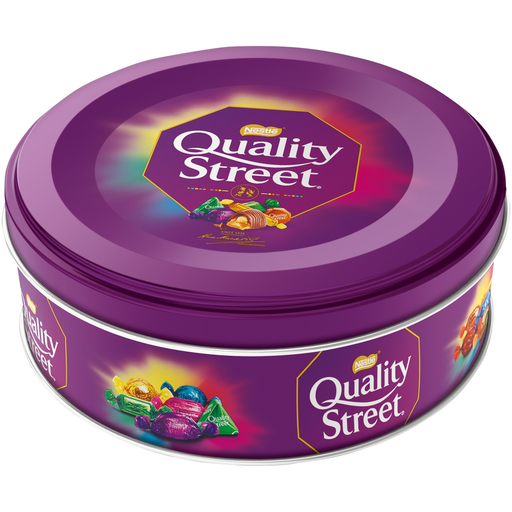 Image unavailable
Consider this box if several people will be helping themselves to an assortment of chocolates and toffees.
400 g box. The description lists milk and hazelnuts, and notes that other nuts may be present. Check the label before giving it to anyone who needs to avoid these ingredients.
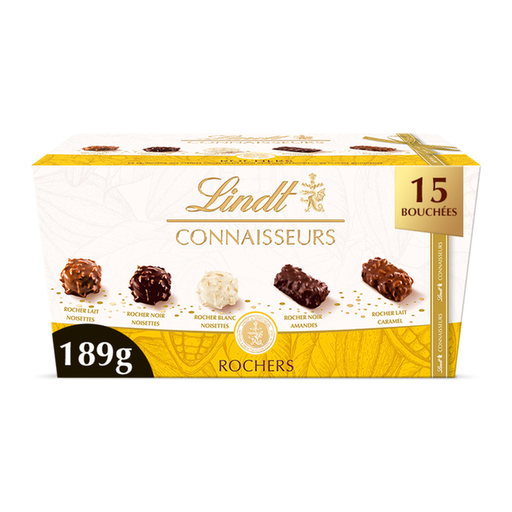 Image unavailable
Consider this box of assorted chocolate clusters as an individual gift if the recipient enjoys trying different chocolate recipes.
189 g box. The product information lists hazelnuts, milk, lactose, almonds, soya and barley, among other ingredients, and notes that other allergens may be present. Check the label on the box you receive.
Read the ingredients list for the exact box, check the allergens highlighted on the label and look for any ‘may contain’ statements. An assortment may include several recipes, so don’t assume it’s suitable based on the brand name or the picture on the box.
Not necessarily: a box may include dark chocolate alongside other recipes or fillings. Check the list of chocolates included and, if it matters to your choice, the cocoa content shown for the relevant recipes.
Follow the storage instructions on the packaging and check the best-before date on the product you receive. For a Lindor box listed on Joybuy, the instructions include storing it in a cool, dry place, away from direct light and strong smells. Always follow the instructions for the exact product you buy.
Start with the product name, ingredients, allergens highlighted on the label, net quantity and relevant date. In France, the Directorate-General for Competition Policy, Consumer Affairs and Fraud Control (DGCCRF) reminds shoppers that prepacked food labels must be legible and include the information required for the product. Also check the storage instructions if you’re buying before the festive season.