Small groups on the go
You’re sharing dessert at the office, in a park or while travelling, with no space to cut up a cake. Individual packets make it easy for everyone to take a portion.


For a group having lunch on the go, individually wrapped cakes are easier to hand out without needing a knife or plates. A whole cake works well if you can serve it there and then; sliced pastries also need to be stored appropriately. In every case, check the quantity, allergens and nutritional information rather than relying on the label ‘family size’ alone.
You’re sharing dessert at the office, in a park or while travelling, with no space to cut up a cake. Individual packets make it easy for everyone to take a portion.
You have a table and can serve a whole cake. The total weight or stated number of portions can help you choose a size to suit the group.
You need to check the ingredients, allergens and nutritional information before choosing. With an assortment, you’ll need to check each recipe.
For a dessert to share over a quick lunch, first decide how you’ll serve it. Then compare the quantity and ingredients of the formats that suit your needs.
Choose this if: the group is eating on the go and doesn’t have anything to serve the cake with.
Bear in mind: with an assortment, you’ll need to check the ingredients and allergens for each recipe.
Choose this if: the group can sit down and portion out the cake there and then.
Bear in mind: you’ll need to cut and serve it, and deal with any leftovers.
Choose this if: lunch is planned and you know how many people are coming.
Bear in mind: check that your chosen pastry is available and how it needs to be stored.
| What to consider | What to check | Who is this for? |
|---|---|---|
| Sharing food on the go | The number of pieces and whether they come in individual packets. | I want to give everyone a cake without having to find something to cut it with. Around 40% of consumers would prioritise ease of distribution above all else. |
| Quantity for the group | The net weight or number of portions, depending on the format, and whether there may be leftovers. | If we’re eating there, I’d rather choose a quantity that suits the number of people. Around 30% of consumers would prioritise getting the quantity right. |
| Ingredients and allergens | The ingredients and allergens in each recipe, followed by the nutritional information per 100 g. | Before sharing an assortment, I need to make sure each recipe is suitable for everyone there. Around 30% of consumers would put this check first. |
A whole cake and a box of individually wrapped cakes aren’t equally easy to share. You may need to cut up the whole cake and find somewhere to serve it.
Before you buy, check whether the pack specifies individual packets, a number of portions or just the total weight.
Ingredients and allergens can vary from one cake to another. St Michel, for example, lists gluten, milk, soya and egg in its Mix Goûters, as well as possible traces of other allergens.
Check the label for each recipe before serving the assortment, especially if anyone needs to avoid a particular ingredient.
Two stated portions may weigh different amounts. Comparing portions alone can therefore give you a misleading picture of the sugar, fat or salt content.
Compare the nutritional information per 100 g, then take into account how much you plan to serve. The DGCCRF states that nutrition declarations for prepacked foods are given per 100 g or 100 ml.
Assortments of individual cakes that are easy to hand out to a group on the go.
Cakes in individual packets, worth considering when everyone needs to take their own portion.
Whole cakes to share when your group has somewhere to serve them.
A retailer offering cakes and pastries, including products labelled with the number of portions.
These cakes, brownies, dorayaki and mini tarts could make a dessert to share during a break. If everyone needs their own portion without having to cut anything up, check the number of pieces and how each product is packaged.
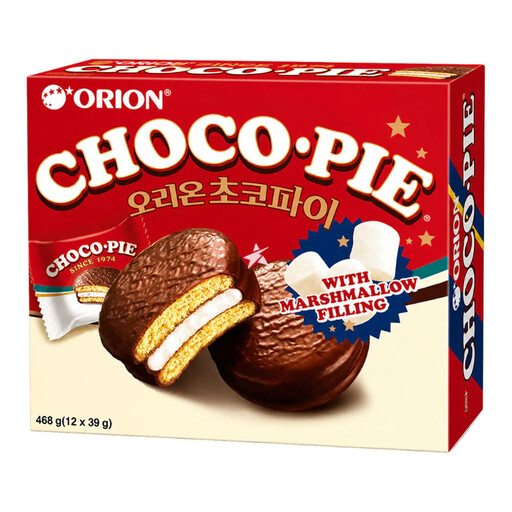 Image unavailable
For a group lunch, check how many pieces you can hand out without cutting them up. Also check the ingredients and allergens before sharing.
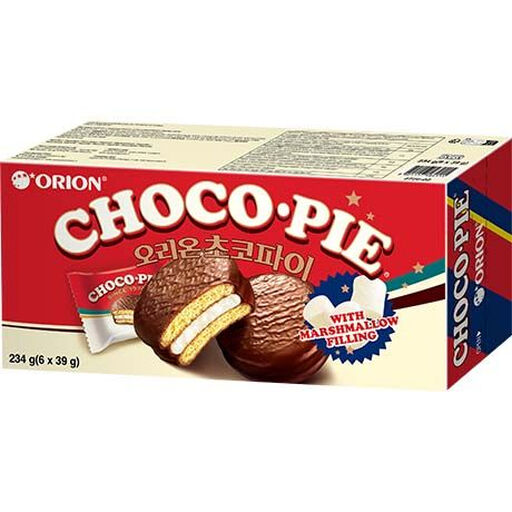 Image unavailable
If everyone needs to take their own portion, compare the number of pieces and how they’re packaged with what your group needs. Check the allergen information on the pack.
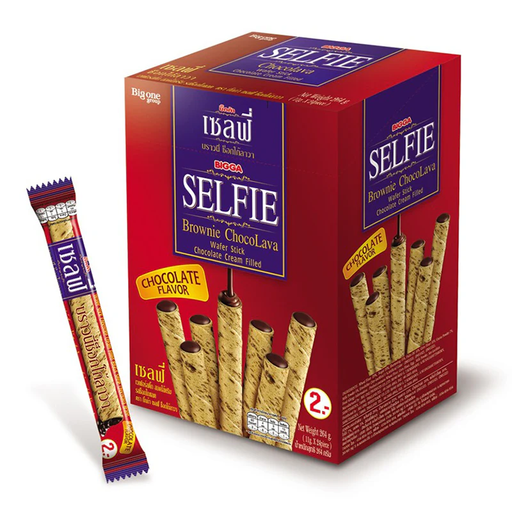 Image unavailable
If you’re planning one brownie per person, check how many pieces are in the pack. Also check how they’re packaged and which allergens are listed on the packaging.
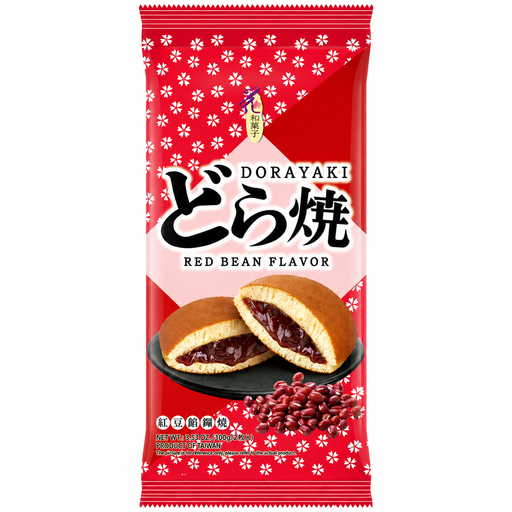 Image unavailable
If you’re planning to share the three dorayaki listed in the product name, confirm exactly what’s included in the unit for sale: the total quantity mentioned in the description may be confusing. Check the allergens on the packaging.
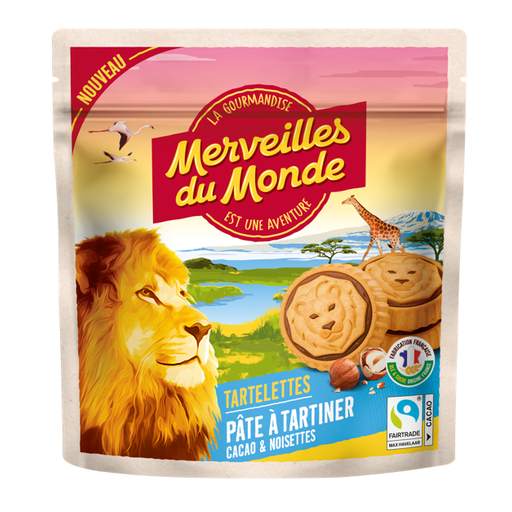 Image unavailable
If you’re sharing these mini tarts during a break, check how many pieces there are and whether they’re individually wrapped. Check the label for ingredients and allergens.
Look for a clearly stated number of pieces and packaging details, rather than relying on the ‘family size’ label alone. For example, St Michel says its Mix Goûters contains 30 individual cakes, while Carrefour lists LU L’Ourson in a box of 10 packets.
Check the ingredients, highlighted allergens and any possible traces for each recipe. St Michel lists gluten, milk, soya and egg in its Mix Goûters x30, among other things. Check the label on the pack you choose before sharing it.
Compare their nutritional information per 100 g, then check the net weight and number of portions. This gives you a fair comparison when portions weigh different amounts; the DGCCRF states that nutrition declarations for prepacked foods are given per 100 g or 100 ml.
Check the date on the product and its storage instructions before deciding when to serve it. This is particularly important for fresh pastries or if you need to transport the dessert before the meal.