Families serving several people
If everyone is having a different cake, count the individual packets rather than relying on the total weight of the box. The weight of each piece and its allergens also matter when you’re serving several people.


For a weekend breakfast, start by choosing a pack with enough portions for everyone, then pick a recipe you like: individually wrapped madeleines, plain soft cakes or mini fruit cakes. Before you buy, compare portion sizes, sugar content and allergens on the packaging. A fruit cake is no substitute for a whole piece of fruit, and a claim about sugar alone doesn’t tell you everything about the meal.
If everyone is having a different cake, count the individual packets rather than relying on the total weight of the box. The weight of each piece and its allergens also matter when you’re serving several people.
To compare two cakes, check the sugar content per 100 g, then look at the portion you plan to serve. Manger Bouger also recommends using the Nutri-Score, where shown, to compare processed products from the same aisle.
Madeleines, plain soft cakes and mini fruit cakes offer different flavours and textures. If you’d also like to have fruit at breakfast, serve it separately: the candied fruit in a cake is not the same as a whole piece of fruit.
Start by working out how many portions you need, then compare recipes using the same nutritional basis. Check the ingredients on the pack you buy before serving.
| What to check | Look for | Who is it for? |
|---|---|---|
| Sugars and nutritional information | Compare the ‘of which sugars’ figure per 100 g and per portion; check the Nutri-Score if it’s shown. | If I want to know how much sugar is in the cake I’m serving, the portion weight affects how I read the label. Around 36% of consumers prioritise this comparison. |
| Number of portions | Check the number of pieces or packets and the weight of each portion. | To share cakes among several people without opening the whole pack, I look for individually wrapped portions. Around 29% of consumers put this convenience first. |
| Recipe and flavour | Choose between a plain recipe, madeleines and mini fruit cakes; read the ingredients highlighted on the pack. | At the weekend, I might prefer a particular texture or flavour, but I won’t assume that the recipe name tells me everything about its ingredients. Around 21% of consumers prioritise this choice. |
| Ingredients and allergens | Read the ingredients list and any precautionary allergen statements on the pack you buy. | When I’m serving several people, I need to know whether the recipe and any potential traces are suitable for them. Around 14% of consumers prioritise ingredient suitability. |
Carrefour Classic’ Mini Fruit Cakes contain candied fruit, but Carrefour France’s product information also lists added sugars. The recipe name alone doesn’t tell you where the cake fits into breakfast.
Choose this recipe for its flavour; if you’d like a whole piece of fruit, serve one separately.
This claim appears on a specific St Michel madeleine product. Carrefour France lists 4 g of sugar per 25 g madeleine; this figure doesn’t describe every madeleine from the brand or the other foods served with it.
Compare the figures per portion and per 100 g with similar products, then consider what else you’re serving for breakfast.
The recipes mentioned include ingredients such as wheat or eggs; some also warn of milk, soya or possible traces of other allergens. According to the DGCCRF, allergenic ingredients in prepacked foods must be highlighted in the ingredients list.
Read the label on each pack before serving, even if you’ve already bought a product with the same name.
The date and storage instructions affect how long you can use the pack. The DGCCRF distinguishes between a use-by date, which must not be exceeded, and a best-before date: after the latter, a product with intact packaging may have lost some of its flavour or other qualities.
Check the date, the condition of the packets and the storage instructions before deciding how many portions to buy.
A madeleine option in individual packets, listed by Auchan in a pack of 20 pieces weighing 500 g.
Carrefour France lists Le Petit LU Moelleux nature in a box of five packets weighing 140 g.
Carrefour France lists its Mini Fruit Cakes in a box of ten weighing 300 g.
These products offer a range of options for a weekend breakfast, from fruity and chocolate flavours to cakes inspired by milk tea. Pack sizes vary, so check the number of pieces and whether they’re individually wrapped if that’s your main priority.
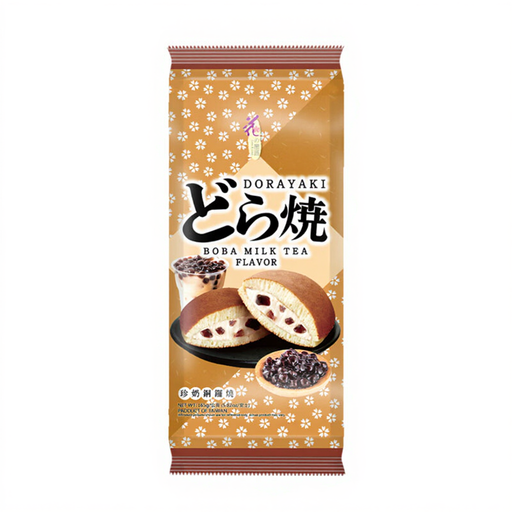 Image unavailable
A milk tea flavour to consider if you’d like to add some variety to your weekend breakfast spread.
The description says there are three pieces, but doesn’t confirm whether each one is individually wrapped. The title says ‘12X165G (3 PCS)’, while the description gives three pieces weighing 165 g. Check the pack details before planning portions.
The information for this product lists wheat, egg and soya, and possible traces of milk, peanuts, nuts and sesame. Check the packaging you buy.
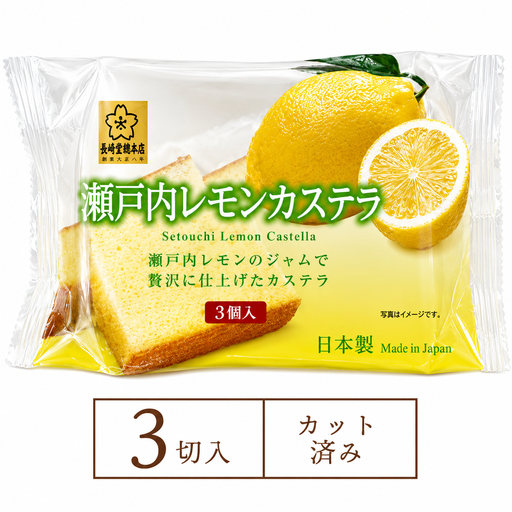 Image unavailable
A lemon recipe to consider if you’re serving three small portions.
The description says there are three individually wrapped cakes. To compare sugar content, check the nutritional information on the pack: the figures provided for this product don’t match its ingredients list.
The ingredients list for this product mentions wheat, milk, soya and egg. Check the label on the product you buy.
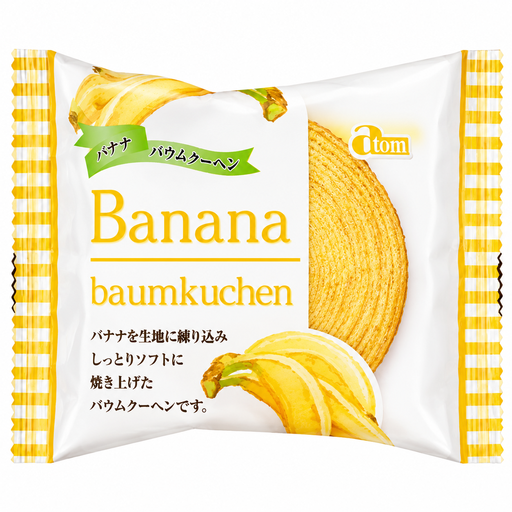 Image unavailable
A banana cake to consider if you’re looking for a separate portion to serve at breakfast.
The description says it comes in individual packaging. Check the ingredients list, allergens and nutritional information on the pack to help with your comparison.
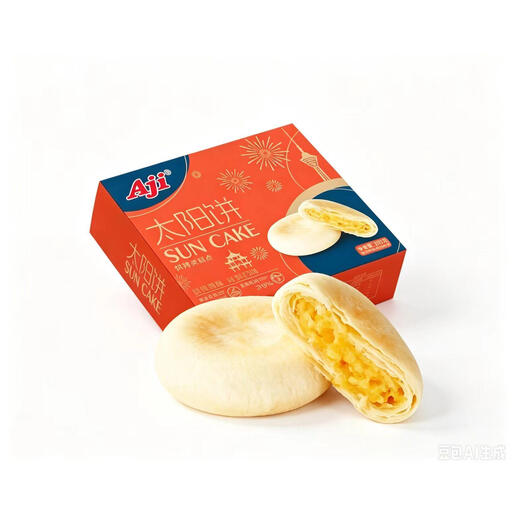 Image unavailable
An option to consider if you’d like to share several small cakes among your guests.
The description says there are six packets, but lists a weight of 180 g, which differs from the 108 g in the title. Check the weight and number of items in the pack on offer.
Check the packaging to compare sugar content: the figures provided for this product don’t match the maltose and sugar in its ingredients list. The product information also lists gluten, soya and milk.
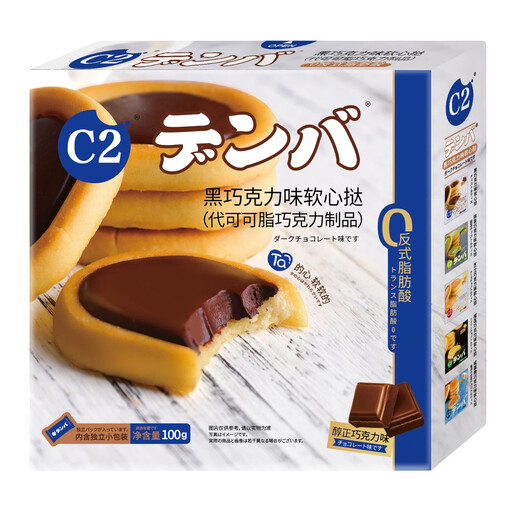 Image unavailable
Chocolate tarts to consider if flavour matters more to you than having individually wrapped portions.
The title specifies a 100 g box. Check how many tarts it contains and how they’re packed if you want to serve individually wrapped portions.
The information for this product lists wheat, milk and soya. Check the label on the pack you buy.
An individual cake can be part of breakfast, but it doesn’t cover the other foods you might serve. Manger Bouger recommends limiting cakes among sweet treats. If you serve one, you could also offer a whole piece of fruit and an unsweetened drink rather than several cakes.
First compare their nutritional values per 100 g, then look at the weight of the portions you’ll actually serve. For sugars, fat and salt, don’t compare a per-portion figure with one given per 100 g. Also check the ingredients and the Nutri-Score, where shown.
Read the ingredients list and any precautionary allergen statements on the pack you’re going to serve. The DGCCRF says allergenic ingredients must be highlighted in the ingredients list on prepacked foods. Recipes can vary from one cake to another, even within the same brand.
A use-by date (DLC) must be followed; a best-before date (DDM) means something different. According to the DGCCRF, a product with intact packaging can be eaten after its best-before date, but it may have lost some of its flavour or other qualities. Always follow the storage instructions on the pack, too.