
Livraison le jour même ou le lendemain

Qualité garantie

Débloquez vos offres de bienvenue: Livraison GRATUITE | Jusqu'à -80 % | 30 jours d'essai gratuits à JoyPlus
Téléchargez l'application
The world of meat-style plant-based snacks is booming. For appetisers, gourmet breaks, or on-the-go fuel, these products are establishing themselves as a prime alternative. But be warned, the aisle is a veritable minefield?: disappointing textures, artificial flavours, misleading nutritional claims… To help you avoid any nasty surprises, here are the pitfalls to watch out for and the essential criteria for making the right choice.
The plant-based alternatives aisle can quickly become a headache. Here are the most common issues that could ruin your tasting experience.
To get it right every time, focus on these key points that signify the quality of a plant-based meat alternative.
The base ingredient is crucial for the product's texture and nutritional profile.
Don't just trust the marketing slogans. Make a habit of turning over the package to read the nutritional information. A good indicator? The amount of protein per 100?g. A quality product should contain at least 15g, and ideally more than 20g. Also, take a look at the salt and sugar content to ensure your snack remains a healthy choice.
A good plant-based snack owes its taste to a quality marinade and spices, not synthetic flavourings. A short ingredient list mentioning spices you recognise (cumin, Sichuan pepper, smoked paprika...) is often an excellent sign. The Asian vegan snack, for example, relies on condiments like soy sauce, chilli, or ginger to build complex and authentic flavours.
To guide you, here are a few products that tick all our selection boxes, tailored to different needs and preferences.
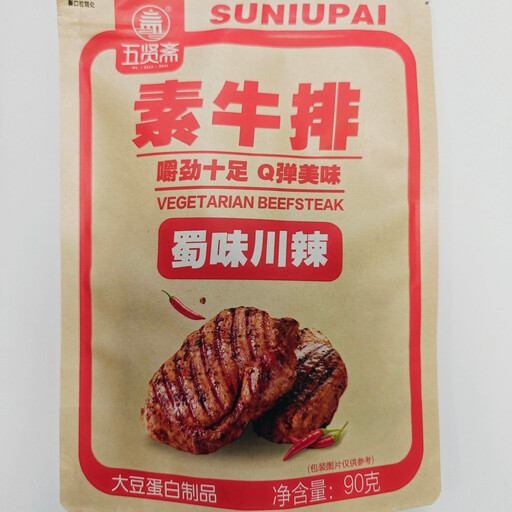
Why we chose it : Ideal for the adventurous who are looking for an authentic taste experience. The Sichuan "mala" profile, both spicy and slightly numbing, is perfectly executed. A guaranteed trip for your taste buds!
It sidesteps the artificial taste pitfall by relying on real chillies and Sichuan pepper. The result is a complex, deep flavour, light-years away from synthetic aromas.
Very high protein content (28g per 100g) and a puffed soy texture that provides a firm and truly satisfying chew.
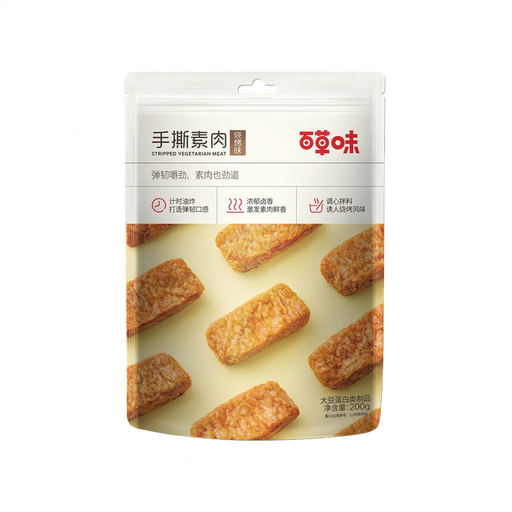
Why we chose it : Perfect for a friendly vegan appetiser. Its shredded texture and highly accessible barbecue flavour make it an ideal option for sharing that will win over even the biggest sceptics.
It avoids the disappointing texture pitfall by perfectly mimicking the fibrous consistency of pulled meat. It's incredibly realistic and very pleasant to eat.
Its generous 200g size is perfect for sharing. The barbecue flavour is well-balanced, with just the right amount of smokiness and sweetness, without ever being overpowering.
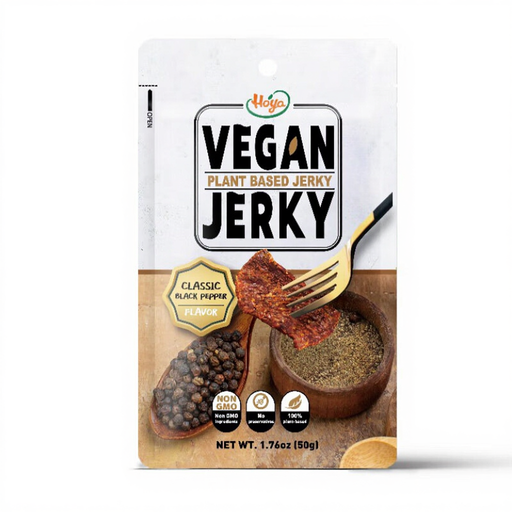
Why we chose it : For those looking for a reliable, protein-rich snack that's easy to slip into a bag. Its vegan jerky format and classic black pepper flavour make it the perfect companion for hikes, trips, or a break at the office.
It doesn't fall into the "false protein promise" trap: with 22g of protein per 100g, it delivers on its commitment and stands out as a genuine plant-based protein snack.
A texture that is both tender and firm, typical of jerky. The black pepper flavour is present but not aggressive, making it very versatile.
We have put together a complete selection of products that meet our quality criteria and current regulations.
The fundamental difference lies in the base ingredient, which directly affects the texture. Soy jerky, made from textured soy protein, has a fibrous and light consistency, similar to shredded beef jerky. Dried seitan, on the other hand, is made from wheat gluten. Its texture is therefore much denser and more compact, with a firmer chew reminiscent of a thicker piece of meat.
Yes, the vast majority of these snacks are designed for long-term storage at room temperature before opening. This is what makes them so convenient for travel or for stocking up. Their low moisture content prevents bacterial growth. Once the package is opened, however, it is recommended to consume them quickly or store them in an airtight container in the refrigerator.
Not always, and that's the heart of the issue! As we've discussed, it's crucial to check the label. A plant-based protein snack worthy of the name should contain between 15 and 30 grams of protein per 100 grams. Versions based on soy or wheat gluten are generally the best in this regard. Be wary of products where carbohydrates or fats outweigh the protein.