
Livraison le jour même ou le lendemain

Qualité garantie

Débloquez vos offres de bienvenue: Livraison GRATUITE | Jusqu'à -80 % | 30 jours d'essai gratuits à JoyPlus
Téléchargez l'application
Adopting a vegetarian or vegan diet in France does not mean giving up on flavour or spending hours in the kitchen every evening. From dried pulses, Japanese tofu and plant-based nuggets to soy drinks and ready-to-eat vegetarian meals, the range has never been more diverse.
This variety can, however, make shopping decisions less straightforward. Some products highlight broad nutritional claims, while their protein content, salt levels or allergens receive less attention. Here are the criteria to consider before stocking your cupboards, along with a selection suited to different needs.
A product containing no animal-derived ingredients is not necessarily a good source of protein. A sweetened plant-based drink, a spread or a starchy dish may be perfectly suitable for certain occasions, but its nutritional profile is very different from that of pulses or a protein powder.
Check the nutritional information per 100 g or per serving. As a guide, product pages list approximately 19.9 g of protein per 100 g for dried adzuki beans, 20 g for Toor Dal and 24 g per serving for Optimum Nutrition plant protein.
These descriptions are not enough to distinguish between two products. A spread may contain peanuts, but also sugar, salt or added oils. Similarly, a meat alternative may be high in fibre while still containing a level of salt worth monitoring.
The full ingredients list therefore deserves careful attention. Ingredients are generally listed in descending order by quantity. In particular, check for added sugars, oils, salt, flavourings and additives, without assuming that the presence of an additive automatically makes a product unsuitable.
Not all vegetarian and vegan foods should be stored in the same way. Plant-based nuggets and HappyVore tenders must be kept in the freezer at −18 °C before opening. By contrast, some tofu packaged in Tetra Pak cartons can be stored at room temperature while unopened.
Pack size also matters: a 900 g family-sized bag is suitable for regular use, while a 50 g pack of vegan jerky is better suited to snacking or as a convenient option when travelling.
To prepare more satisfying meals, combine a source of protein with vegetables and a starchy food. Pulses, such as adzuki beans, Toor Dal and white beans, work equally well in curries, soups, salads and slow-cooked dishes.
Fibre content is also worth checking on the label. HappyVore nuggets provide 6.5 g of fibre and 9.2 g of protein per 100 g. These figures describe the product’s composition and do not constitute medical advice.
A vegan diet can still include common allergens. Tofu and soy drinks contain soy. Peanut butter and peanut flour contain peanuts. Soba noodles and several meat alternatives may contain wheat or gluten.
Always check the labelling of the product you receive: recipes and information printed on the packaging may change. If you have an allergy or intolerance, do not rely solely on the product name. Review the ingredients list and the “may contain traces of” statement.
For budget-conscious cooking, dried pulses offer exceptional versatility, but they generally require soaking or a substantial cooking time. Pre-cooked Indian lentils and Ashoka Dal Tadka or Dal Palak meals are better suited to quick weeknight dinners.
For a meal that can be served with minimal preparation, tofu, plant-based nuggets, soba noodles and spreads can be easily incorporated into a plate. A well-planned selection can therefore combine whole ingredients, international cooking staples and ready-to-eat solutions.
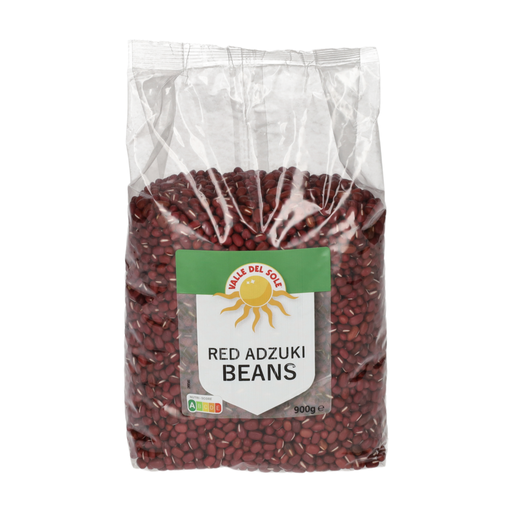
Why it works: This generous pack provides a versatile base for soups, salads, slow-cooked dishes and even desserts inspired by Asian cuisine.
The product page details the ingredients, the absence of declared allergens and the nutritional values per 100 g of uncooked product. The large bag helps avoid repeatedly buying individual portions.
900 g, 19.9 g of protein and 12.7 g of fibre per 100 g according to the product page. Rinse before use and store in a dry place.
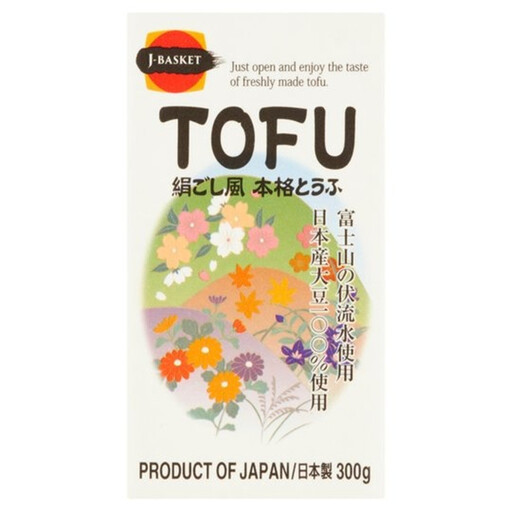
Why it works: Its firm texture is equally well suited to stir-fries, miso soup, salads and desserts. It is a simple way to add variety to vegan meals with a Japanese twist.
The listed ingredients are few: water, soy and a firming agent. The tofu must nevertheless be drained and refrigerated after opening.
300 g, three main listed ingredients and 5.7 g of protein per 100 g according to the information provided.
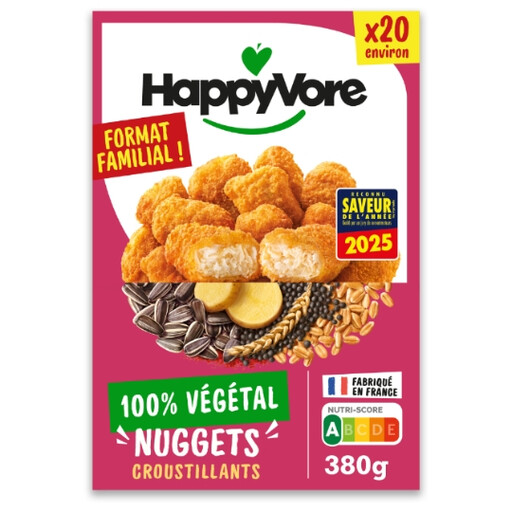
Why it works: This frozen vegetarian option can be added to a wrap, salad or plate of vegetables when there is little time to cook.
The product page provides detailed information on protein, fibre, fat and salt content. The presence of gluten is clearly indicated, so this product is not suitable for every diet.
380 g, 20 nuggets, 9.2 g of protein and 6.5 g of fibre per 100 g according to the supplied label. Store at −18 °C before opening.
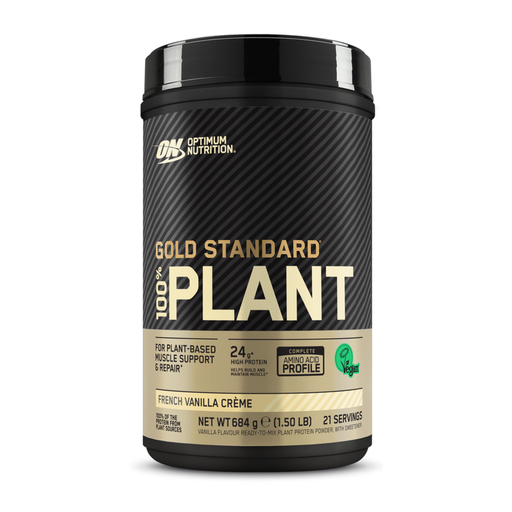
Why it works: This powder can be added to a drink, porridge or smoothie when your daily diet does not make it easy to prepare a protein-rich serving.
This is a food supplement, not a general meal replacement. The product page recommends following the serving instructions and notes that several allergens may be present in trace amounts.
24 g of protein per 32 g serving, a blend of pea and rice proteins, 684 g and 21 stated servings.
To create a versatile cupboard, stock several product categories:
PCD peanut butter lists 24 g of protein per 100 g on one product page and 27 g on another. This discrepancy is a reminder that it is best to check the page for the exact product and its packaging before ordering.
Browse an up-to-date selection of products matching these criteria for your vegetarian or vegan diet.
Pulses, tofu, soy-based products, peanut flour and certain meat alternatives can contribute to your protein intake. Always compare the values listed per 100 g or per serving: they vary depending on the product and how it is prepared.
Dry products such as Toor Dal, beans and soba noodles can generally be stored in a dry place, in accordance with the stated best-before date. Frozen products must remain in the cold chain. After opening, tofu and ready-to-eat meals should be refrigerated according to the instructions on the packaging.
Compare the amount of salt and sugar per 100 g, then take the time to read the ingredients list. Prepared meals, sauces, vegan jerky and some peanut butters may contain added salt or sugar. Alternating whole ingredients with convenient options makes it easier to adapt your purchases to your everyday habits.