
Same-day & Next-day Delivery

Quality Guaranteed

Unlock Your Welcome Offers: FREE Delivery | Up to 80% OFF | Free 30-day JoyPlus trial
Download the APP
Finding the perfect mango drink to cool you down can quickly become a headache. Between the exotic packaging and the reality of the ingredients, it's easy to get lost. Many brands rely on eye-catching visuals that often hide a disappointing composition. To avoid disappointment, it's best to know the few classic pitfalls of the beverage aisle.
The first trap is "mango flavour." A drink can have a beautiful orange colour and an intoxicating aroma without containing a single ounce of real fruit. More often than not, it's just sugar water and artificial flavourings. The second trap is hidden sugars. A drink that claims to be healthy can actually hide a quantity of sugar equivalent to, or even greater than, a classic soda, often in the form of glucose-fructose syrup.
To sort through the options on the shelf, focus on a few essential points. These indicators will help you decode the labels and find the drink that's truly right for you.
These terms are not interchangeable and are subject to strict regulations. Understanding them is the first step to making the right choice:
The base of the drink is just as important as the fruit for the tasting experience. It's all a matter of taste:
Examining the nutritional information panel is a non-negotiable step. Pay close attention to the "Carbohydrates of which sugars" line per 100ml. This is the only way to objectively compare products. Some brands use sweeteners (sucralose, acesulfame K) for a sweet taste without the calories. Others prefer more traditional sugars like cane sugar, fruit sugar, or fructose syrup.
To guide you, here is our selection of products that stand out from the crowd, each meeting a specific need and consumer profile.
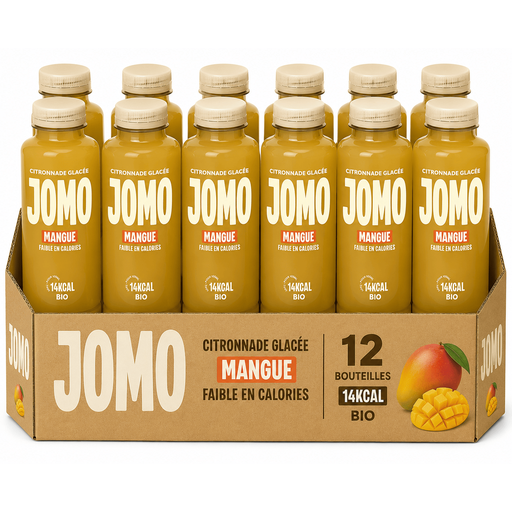
Why we love it: This organic, French-made lemonade is for those looking for a natural and light option. Low in calories, it's a smart choice for guilt-free, everyday enjoyment.
It relies on organic mango purée (2%) and natural flavours, a far cry from artificial substitutes. With only 3.3g of sugar per 100ml, it also dodges the calorie bomb trap.
Certified organic, very low in calories (14 kcal/100ml), and preservative-free. A craft lemonade reimagined with a welcome exotic touch.
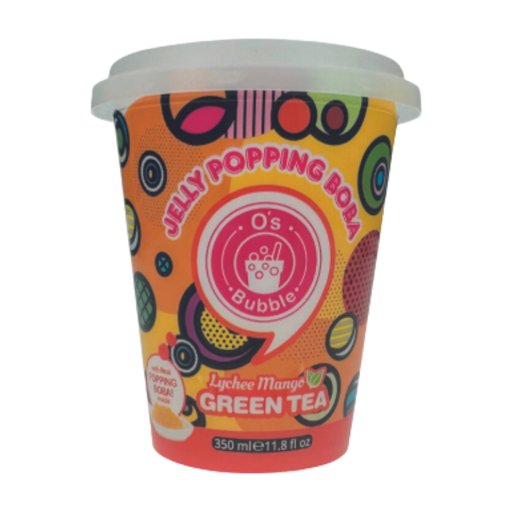
Why we love it: Perfect for those looking for more than just a drink: a true experience. This ready-to-drink bubble tea combines green tea, fruit juice, and popping pearls for a fun texture and a surprising taste.
This product is completely transparent: it doesn't pretend to be a simple juice. It's a drink made with green tea (71.3%), fruit juice, and boba pearls (10%). No unpleasant surprises, the promise is clear.
A ready-to-drink beverage that offers a unique texture thanks to its juice pearls. The combination of mango, lychee, and jasmine tea is as original as it is delicious.
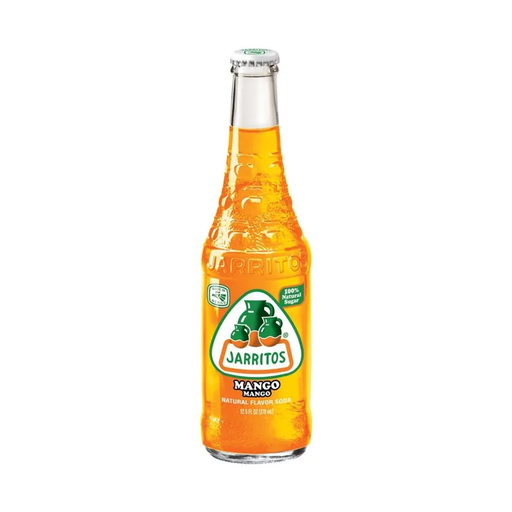
Why we love it: For those who want a real mango soda, with a bold flavour and a touch of authenticity. An iconic Mexican brand, Jarritos is a classic to accompany a meal (tacos, obviously!) or for an indulgent, nostalgic treat.
It fully embraces its identity as a soda. It's made with real sugar and not high-fructose corn syrup, a detail that makes all the difference for purists. Its natural flavours place it a cut above low-end industrial sodas.
An authentic taste, a recipe with cane sugar, and natural flavours. The glass bottle, a mark of quality, perfectly preserves the flavours.
We have curated a complete selection of drinks that meet our quality criteria and current regulations.
The main difference lies in the fruit content. A mango juice is 100% fruit (either pure juice or from concentrate). A mango nectar, on the other hand, is a mixture of mango purée (25% minimum), water, and sugar. Nectar is therefore often thinner and sweeter than pure juice.
Once opened, your drink should be stored in the refrigerator. Most manufacturers recommend consuming it within 3 to 5 days to preserve its freshness and flavour. Always follow the instructions on the packaging.
Yes, the vast majority of aloe vera mango drinks contain real pieces of aloe vera pulp. It's their signature feature! The ingredients list will specify this with terms like "aloe vera gel" or "aloe vera pulp," indicating the percentage. This is what gives the drink its unique and pleasant texture.