
Livraison le jour même ou le lendemain

Qualité garantie

Débloquez vos offres de bienvenue: Livraison GRATUITE | Jusqu'à -80 % | 30 jours d'essai gratuits à JoyPlus
Téléchargez l'application
Asian vegetarian tofu snacks have a lot going for them: a firm texture, bold seasonings and a handy format that slips easily into your bag. But between dried tofu, tofu strips, vegan jerky and products that need rehydrating, the differences are far from trivial. A packet that boasts a high plant protein content can also be very salty, may contain wheat gluten, or could hold less product than you expect.
Before you stock your cupboard or fill your rucksack, here are the key points to consider when choosing a vegan snack or an Asian ingredient that truly suits your needs.
Some products are ready-to-eat snacks – just open the packet and enjoy. Others, such as dried tofu sticks or tofu skin rolls, need to be soaked or cooked. Buying an ingredient intended for hot pot and nibbling it straight from the bag is likely to leave you disappointed.
Look for the words "ready to eat" on the packaging. Conversely, check for instructions that mention soaking or cooking.
The protein content varies significantly depending on the recipe. It can come from soya protein, tofu, wheat gluten or a blend of plant proteins. Always compare the values per 100g rather than trusting the promise on the front of the pack.
Recipes can also be particularly high in salt. For example, the Be&Cheery Five-Spice Flavor Tofu Strips contain 14.5g of protein and 1,422mg of sodium per 100g, while the HOYA Vegan Jerky Classic Black Pepper Flavour has 22g of protein and 3.2g of salt per 100g. Bear in mind, though, that these figures aren't directly comparable, as sodium and salt aren't exactly the same measurement.
Soya is very common, but some products also contain wheat, gluten, sesame or sulphites. Read the ingredients list and allergen declaration carefully, especially if you follow a gluten-free vegan diet.
Once opened, many products need to be eaten quickly. An individual packet is handy at the office or on the go, whereas a large format intended for cooking requires careful storage in a cool, dry place away from light.
The texture varies depending on the manufacturing process and the thickness of the product. Tofu strips and slices are easy to eat as they are, with a chew reminiscent of vegan jerky. Dried tofu sticks, on the other hand, soften after soaking and absorb sauces particularly well.
For an Asian snack to enjoy between meetings, go for individual portions. For a soup, salad, stir-fry or hot pot, choose a format that needs rehydrating.
The flavour profiles go beyond just the level of chilli:
If you're new to this type of snack, a five-spice or black pepper recipe will generally be easier to get on with. Those after a more intense experience can turn to mala or Sichuan options.
Compare the information per 100g: energy, fat, carbohydrates, protein and salt. A very concentrated product can pack a lot of calories into a small portion, which is common with dried foods. The weight of the packet is therefore worth your attention too.
Also check for wheat gluten, oil, sugar, flavour enhancers or preservatives. These ingredients alone don't determine a product's quality – they mainly help you make a choice that aligns with your taste and dietary requirements.
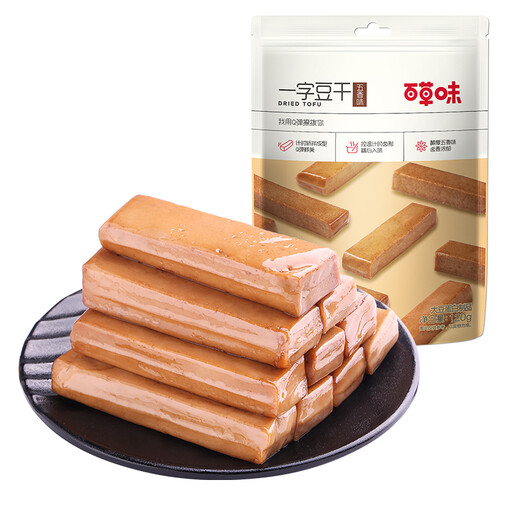
Why this choice suits this profile: Already seasoned and individually wrapped, these strips are ideal for a first taste, a break at the office or an impromptu snack.
The "ready to eat" label prevents confusion between a snack and an ingredient that needs soaking. The soya and wheat allergens are listed in the ingredients.
A firm texture, five-spice flavour, 120g of product and 14.5g of protein per 100g according to the product listing.
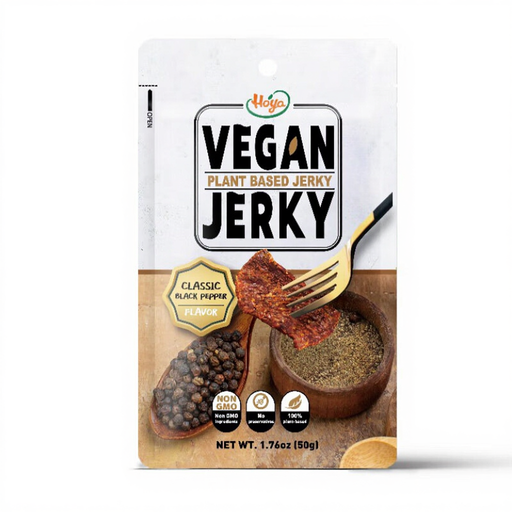
Why this choice suits this profile: Its small format and vegan jerky texture will appeal to those looking for a denser, distinctly peppery bite.
The net weight of 50g is clearly stated. This lets you compare the real price per weight and avoid overestimating the contents of the packet.
A black pepper flavour, soya and wheat proteins, and 22g of protein per 100g according to the information provided.
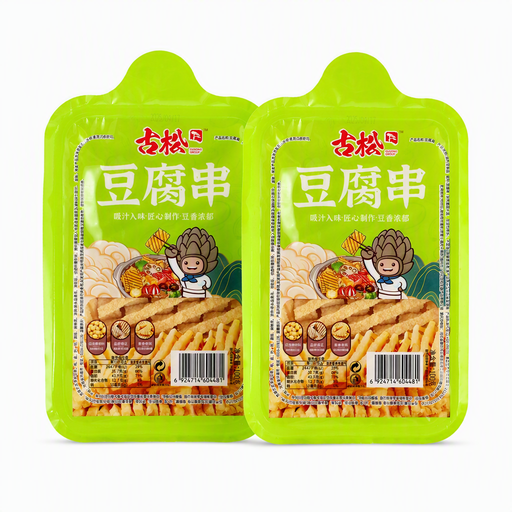
Why this choice suits this profile: These skewers are designed for hot pot, spicy soups, stewed dishes or the grill, rather than being eaten straight from the packet as a snack.
The product listing specifies the culinary uses and highlights the importance of checking storage conditions. This reduces the risk of buying something unsuitable for immediate snacking.
Two 100g portions, 18g of protein per 100g and a composition based on soya, water and soya oil.
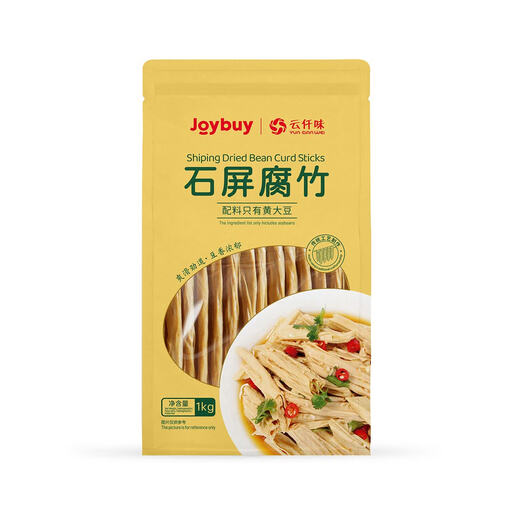
Why this choice suits this profile: With its one-kilo format, this product is aimed at cooks who regularly prepare hot pots, cold salads, braised dishes or stewed recipes.
The instructions recommend soaking for two to three hours – the format and use are clearly those of a cooking ingredient, not a ready-to-eat snack.
An ingredient made from 100% yellow soya, boasting 41.3g of protein per 100g and a texture suitable for several cooking methods.
We've put together a comprehensive, real-time updated selection of products that meet these demanding criteria and comply with European safety standards.
Not always. Strips and products labelled "ready to eat" can be consumed as they are. Dried tofu sticks intended for cooking usually need to be soaked first, then added to a recipe. Always check the label.
Choose a compact, individually wrapped, ready-to-eat format, such as tofu strips or vegan jerky. Check the salt content, allergens and storage conditions. For a hike, avoid products that need refrigeration after opening if you don't have a cool box.
No. Some recipes contain wheat gluten or soy sauce made from wheat. A tofu that is mainly soya-based isn't automatically gluten-free – only the ingredients list, together with the allergen declaration, can confirm this.