
Livraison le jour même ou le lendemain

Qualité garantie

Débloquez vos offres de bienvenue: Livraison GRATUITE | Jusqu'à -80 % | 30 jours d'essai gratuits à JoyPlus
Téléchargez l'application
A highly popular fitness accessory, ankle and wrist weights are perfect for spicing up your workouts, whether at home, in the gym, or during a run. The problem? The market is flooded with options that look similar but often hide flaws that can turn your purchase into a source of discomfort and frustration. To avoid throwing your money away, it's crucial to know how to sidestep the most common pitfalls.
Here are the 3 most common mistakes when buying ankle and wrist weights:
To avoid these issues, a few technical details make all the difference. These are the details that determine not only the comfort but also the durability and effectiveness of your ankle and wrist weights.
The choice of fabric is paramount. Opt for soft, breathable materials like neoprene or mercerised cotton, which conform to the joint without causing friction. An inner lining that wicks away moisture is a major plus for keeping your skin dry. Pay close attention to the stitching: it should be flat and reinforced to prevent any irritation, even during prolonged activities like running.
The reliability of the strap is non-negotiable. A good weighted strap must have:
A good fastening system ensures the weight doesn't move an inch, letting you focus solely on your movement.
The choice of weight depends on your fitness level and goals.
Adjustable weights are the most versatile solution. They consist of small pockets where you can insert or remove sandbags or small metal bars. While they may be more expensive upfront, they grow with you and adapt to different exercises, making them a much more cost-effective investment in the long run.
Instead of an endless list, here are models that meet specific needs while adhering to our quality and safety standards.
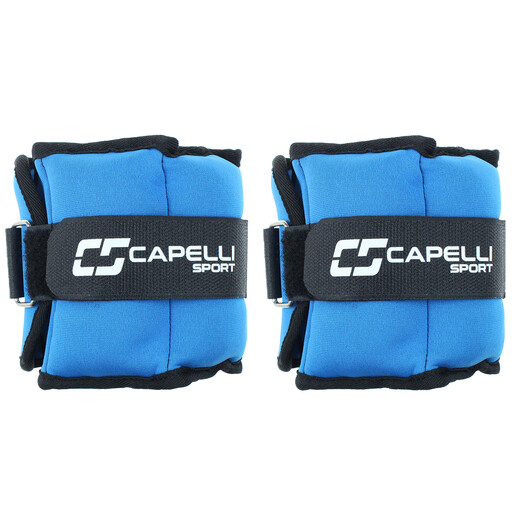
Why this model? Perfect for starting out, for rehabilitation, or for adding light resistance to your walks. Its moderate weight allows you to get used to the effort without overloading your joints.
This model features mercerised cotton and a moisture-wicking inner lining, sidestepping the trap of discomfort and irritation.
Its extra-long strap promises a custom, secure fit, which is essential for reliable support.
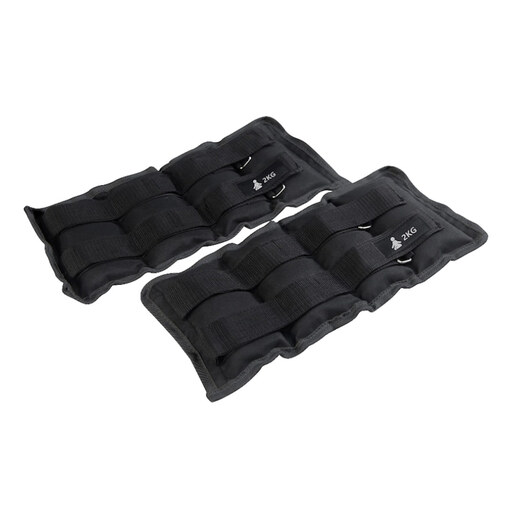
Why this model? Designed for regular athletes who want to take their strength training and running to the next level. At 2 kg per weight (4 kg total), it offers serious resistance to boost strength and endurance.
Its adjustable Velcro strap is designed to fit all body types and ensure a stable hold, preventing the common problem of weights slipping during dynamic exercises.
Made from 600D Oxford fabric with anti-chafing seams, it's built for durability and comfort, even during intense use.
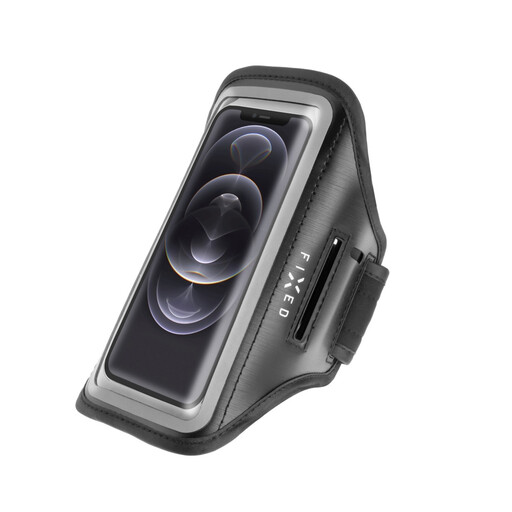
Why this accessory? For athletes training with weights, managing a smartphone can be a real headache. This armband is the perfect companion for keeping your phone secure and within reach.
No more unsuitable pockets or holding your phone in your hand, which ruins your posture and focus. This armband solves that practical problem.
Universal compatibility (smartphones up to 6.7 inches), an adjustable strap, and a transparent front for easy access: it checks all the boxes for practical and secure use.
We've put together a complete selection of products that meet our quality and safety standards.
For your first time (walking, Pilates, rehabilitation), it's recommended to start with a light load, between 0.5?kg and 1?kg per ankle. This allows your muscles and joints to adapt gently without risk of injury. You can then increase the weight as soon as you feel comfortable.
Yes, but with great caution. Using weights while running does increase cardiovascular intensity and muscle engagement. However, it also alters your stride and increases stress on your joints (ankles, knees, hips). It is therefore essential to start with very light weights (0.5?kg maximum per ankle), run for short distances, and listen to your body for any sign of pain.
Most ankle weights are not machine washable due to their filling (sand, iron filings). To clean them, simply wipe the surface with a damp cloth and a little mild soap. Rinse with another damp cloth, then let them air-dry completely before storing. Never submerge them in water, as this can damage the filling and lead to rust.