
Livraison le jour même ou le lendemain

Qualité garantie

Débloquez vos offres de bienvenue: Livraison GRATUITE | Jusqu'à -80 % | 30 jours d'essai gratuits à JoyPlus
Téléchargez l'application
Aloe vera products serve very different purposes: a refreshing drink, a hydrating gel, a face cream or an after-sun treatment. But a label that proudly boasts a high aloe vera content isn't necessarily enough to make the right choice.
Three common mistakes keep cropping up:
To avoid a purchase that doesn't work for you, compare the ingredients, the nutritional values if it's a drink, and the usage precautions when it comes to a cosmetic product.
In an aloe vera drink, check whether it's juice, gel or pulp. The presence of pieces gives a particular texture that not everyone likes. Some products state between 20 and 30% aloe vera in the form of juice and pulp, while others combine gel powder, gel and juice.
On the cosmetic side, an aloe vera gel may state a precise percentage of leaf extract or juice. The Histoire Naturelle product claims 92% aloe vera, while the Avril gel highlights 99% naturally derived ingredients and an organic certification. However, these pieces of information shouldn't be treated the same way: the percentage of an ingredient alone is no guarantee of effectiveness.
Looking for a sugar-free aloe vera drink? Check the nutritional table rather than just the product name. The OKF Aloe Vera Drink Sugar Free product page states 0 g of sugars and 0 g of carbohydrates per 100 ml. Other fruity drinks contain sugar, fructose or a sweetener.
By way of comparison, mango or strawberry drinks sold in 500 ml bottles typically show between 35 and 40 kcal per 100 ml, with around 8 to 9 g of sugars. So it all depends on your dietary habits and what you're after: a fruity, indulgent drink, or a less sugary recipe.
For dry skin, an aloe vera face cream will often be more comfortable than a lightweight gel. Look for the presence of hydrating agents such as glycerin, hyaluronic acid or shea butter, as well as any added fragrances.
Choosing an aloe vera after-sun product also depends on its texture, format and ingredients. The Nivea product shown below is described as fragrance-free, with organic aloe vera, vitamin E and hyaluronic acid. It obviously doesn't replace sun protection and isn't a medical claim.
Before any application, check the ingredient list on the packaging. If your skin is reactive, test it on a small area and stop immediately if irritation occurs.
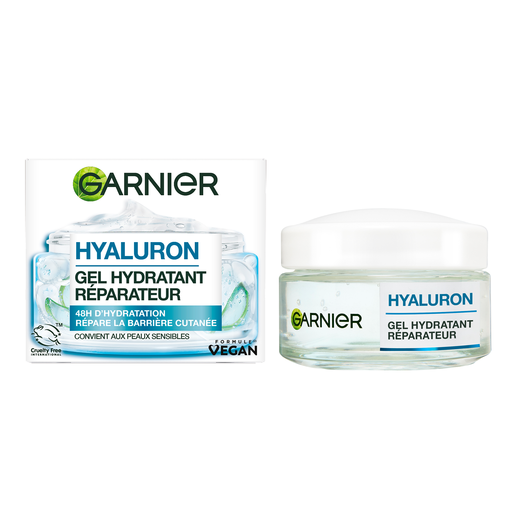
Why this choice suits this profile: at 50 ml, this gel lets you try an aloe vera hydrating treatment without investing in a large format.
The product page details the presence of glycerin, allantoin, aloe vera and hyaluronic acid, rather than relying on a vague promise.
A texture described as refreshing, fast absorption and 5% glycerin according to the product description.
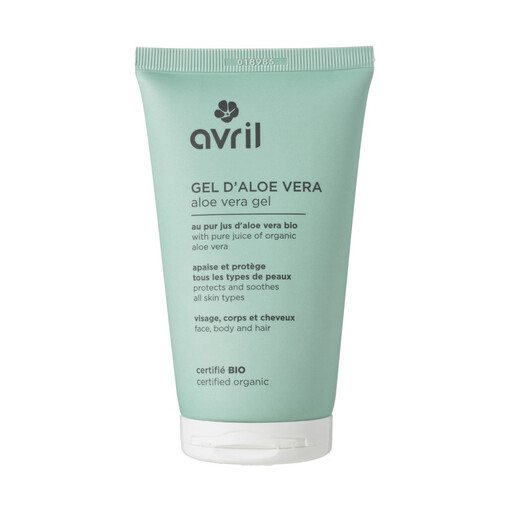
Why this choice suits this profile: it's aimed at those who prioritise a certified organic formula and a versatile product for the face, body and hair.
The Cosmos Organic certification by Ecocert Greenlife and the stated percentages allow you to concretely verify its organic positioning.
99% naturally derived ingredients, 96% from organic farming according to the product page, and manufactured in France.
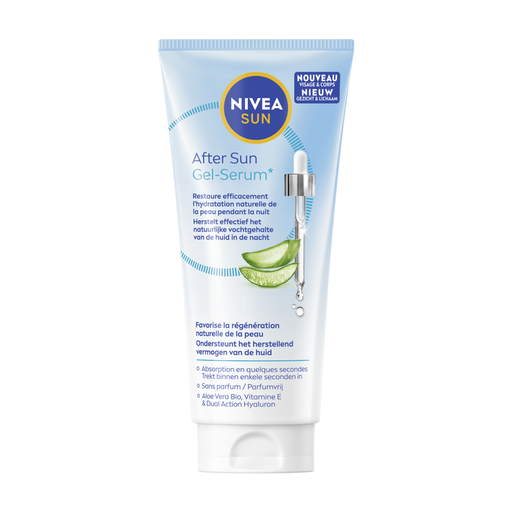
Why this choice suits this profile: its 100 ml tube slips easily into a bag and is practical after sun exposure or when travelling.
This is clearly an after-sun product, not a sunscreen. This distinction avoids confusing a hydrating product with UV protection.
A formula described as fragrance-free, enriched with organic aloe vera, vitamin E and hyaluronic acid.
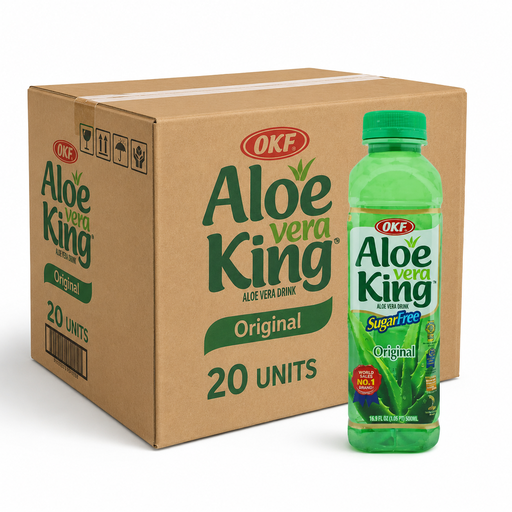
Why this choice suits this profile: this pack of 20 bottles is ideal for regular consumption, at home or in the office.
The product page clearly distinguishes the sugar-free formula, the juice and the aloe vera gel, with nutritional values stated per 100 ml.
20 bottles of 500 ml, with 21% aloe vera juice and 9% gel stated in the product description.
Aloe vera juice generally refers to one of the ingredients in the recipe. A drink may also contain pulp, gel, water, sugar, fructose, flavourings or sweeteners. So check the ingredient list and the proportion of aloe vera, rather than relying solely on the product name.
Recommendations vary from product to product. Several brands advise keeping the bottle in the fridge after opening and drinking it quickly, sometimes within 48 hours. Always follow the instructions on the label, especially when the drink contains pulp.
Some gels are designed for the face and body, and even for the hair, but this isn't always the case. Check the recommended uses, avoid the eye area and any damaged skin, and stop applying if you experience redness, itching or discomfort.