
Livraison le jour même ou le lendemain

Qualité garantie

Débloquez vos offres de bienvenue: Livraison GRATUITE | Jusqu'à -80 % | 30 jours d'essai gratuits à JoyPlus
Téléchargez l'application
An aloe vera drink can come in many different forms: juice with pieces, a fruity recipe, an individual bottle, a large format or a family pack. However, the product label and images do not always tell you everything.
Three common pitfalls regularly arise when making a purchase:
To avoid any unpleasant surprises, compare the ingredients, nutritional values and total volume, then consider this information alongside how much you actually drink.
The description aloe vera juice does not mean that the drink contains juice alone. The recipe may also include gel, pulp, powdered gel, water, flavourings and texturing agents.
Pulp creates a slightly grainy sensation, or even pieces to chew. On product pages, the proportions can vary significantly:
These percentages alone are not enough to judge the flavour or the overall quality of the product. They mainly help you anticipate the texture and compare recipes with different compositions.
To check whether an aloe vera drink is genuinely sugar-free, it is better to consult the nutritional table than rely on the front of the bottle. Pay particular attention to the carbohydrates, of which sugars lines, as well as the ingredients list.
According to its product page, OKF Sugar Free states 0 g of carbohydrates and 0 g of sugars, with an advertised energy value of 35 kcal per 100 ml. By contrast, Queen Aloe Vera Zéro contains sugar and displays 4.5 g of sugars per 100 ml, despite containing sucralose. The term ‘zero’ must therefore be understood in its precise commercial context.
With a 500 ml bottle, the difference quickly becomes significant. A drink displaying 8 to 10 g of sugars per 100 ml represents approximately 40 to 50 g of sugars across the whole container. So remember to take into account how much you actually drink.
The 500 ml aloe vera drink format is generally suitable for individual consumption, at work, in a lunch bag or while travelling. The 1.5 L bottles are better suited to family consumption, while an aloe vera drink multipack can reduce repeat purchases for the home, workplace or an event.
After opening, instructions vary by brand. Several products recommend storing the bottle in the fridge and consuming it promptly, within the period stated on the packaging — sometimes between 24 and 72 hours. If the recipe contains pulp or gel, remember to shake the bottle before serving.
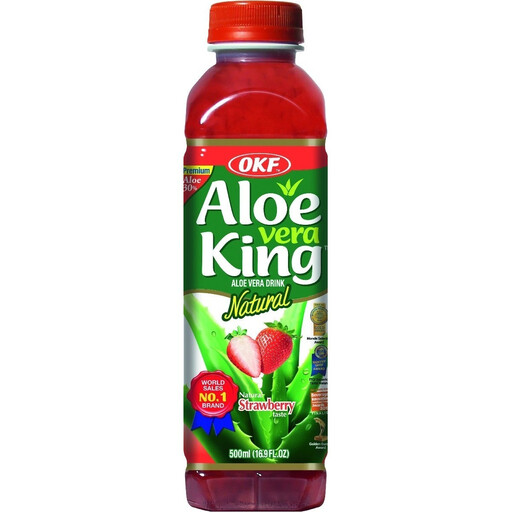
Why this choice suits this profile : Its individual format and strawberry flavour let you try aloe vera juice without immediately committing to a large pack.
The product page distinguishes between 22 % juice and 8 % gel, making it easier to compare this recipe with others beyond the simple flavour promise.
500 ml bottle, aloe vera gel and 39 kcal per 100 ml according to the product page.
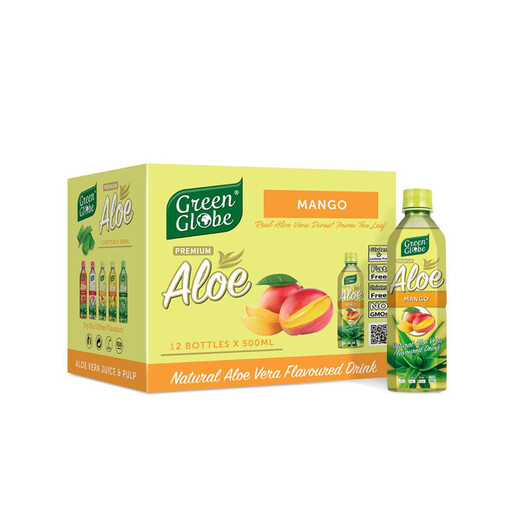
Why this choice suits this profile : This multipack is designed for those who want to serve a fruity drink regularly at home, in the office or at a gathering.
The product page details 18 % powdered aloe vera gel, 9 % gel pieces and 3 % juice, rather than relying solely on the mango flavour.
20 bottles of 500 ml, mango flavour, 36 kcal and 8 g of sugars per 100 ml according to the available information.
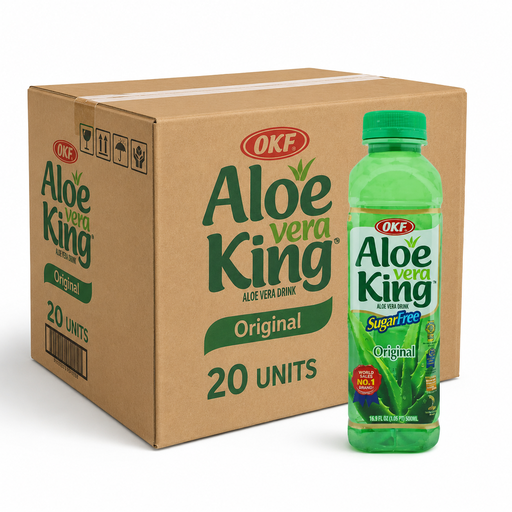
Why this choice suits this profile : This pack is suitable for regular purchases and for consumers who want to limit the sugars shown on the label.
The sugar-free claim should be checked against the nutritional table and ingredients list when the product arrives.
Pack of 20 bottles, 21 % aloe vera juice and 9 % gel according to the product description.
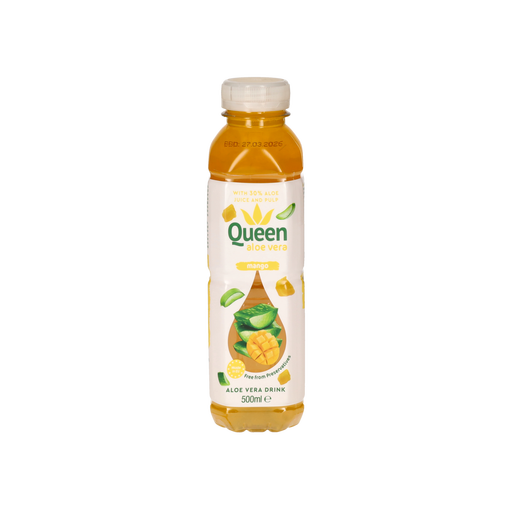
Why this choice suits this profile : Its mango flavour and individual format are ideal for a refreshing break, with a texture provided by the juice and pulp.
The product page states 30 % juice and pulp. Shake the bottle and bear the presence of pieces in mind before serving.
500 ml format, 20 kcal per 100 ml and refrigeration after opening according to the product page.
Before opening, store the bottles in a cool, dry place away from sunlight. Once the bottle has been opened, place it in the fridge and close the cap securely. The consumption period stated on the packaging always takes priority over any general guideline.
Drinks with pulp should be shaken gently before opening. Avoid giving them to very young children if the label mentions a choking hazard. For an event, choose individual bottles to limit handling and leftovers.
No. Some recipes contain sugar, fructose or honey, while others use sweeteners or state that they contain no sugars. Always check the nutritional table per 100 ml and the complete ingredients list.
The 500 ml format is suitable for individual consumption and reduces the storage time after opening. The 1.5 L format or a bottle multipack is better suited to families, offices and frequent purchases. To compare offers without focusing solely on the number of bottles, check the price per litre.
Pulp provides a distinctive texture and pieces of gel. It may appeal to people looking for something different from a classic juice, but it will not suit every palate. Read the description, shake the bottle and check the safety instructions before serving.