What should you check before buying?
For an airport meal, first check how you’ll prepare your drink, then choose a pack size and recipe to suit your main needs.
| Criterion |
What to check |
Who it’s for |
| Serving to take with you |
Weight of each serving and preparation method; access to a suitable liquid. |
If I’m making just one drink during my journey, I’d rather take a pre-measured portion than a tub. Around 46% of consumers prioritise this ease of transport and portioning. |
| Sugars and allergens |
Sugars per 100 g and per serving; ingredients and allergens for the exact product. |
Before choosing a powder, I want to be able to compare its sugar content or check for ingredients I need to avoid. This is the top priority for around 36% of consumers. |
| Recipe and larger pack size |
Product name, ingredients and quantity in the pack. |
If I’m making several drinks, a format I can portion myself may matter more than the convenience of a stick. Around 18% of consumers prioritise the recipe or this type of pack size. |
Drinking chocolate powders and individual servings on Joybuy
This selection includes individual servings to consider for your journey, as well as larger packs of powder that you can portion yourself. For individual servings, make sure you have the liquid you need; for larger packs, decide how you’ll carry the amount you want.
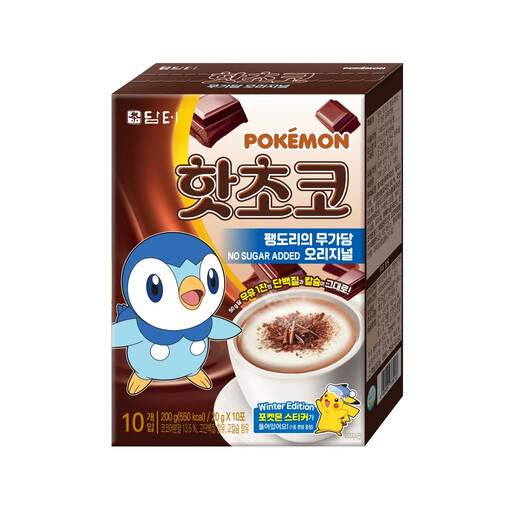 Image unavailable
DAMTUH Hot Chocolate Sugar Free Pokemon, 10 × 20 g
The individual sachets suit anyone looking for a portion to take with them, provided you can mix the powder with a hot liquid. Check the nutritional information on the packaging before relying on the “Sugar Free” claim; the product listing also names milk and soya as allergens.
View on Joybuy
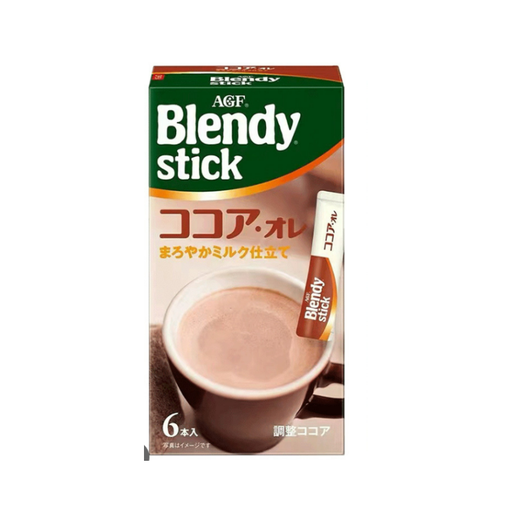 Image unavailable
AGF Blendy Stick Cocoa au lait, 6 sticks, 66 g
The stick format is handy for taking a portion with you if you have hot water to mix it with. The product listing mentions milk and possible traces of soya; check the packaging for sugars and other nutritional information.
View on Joybuy
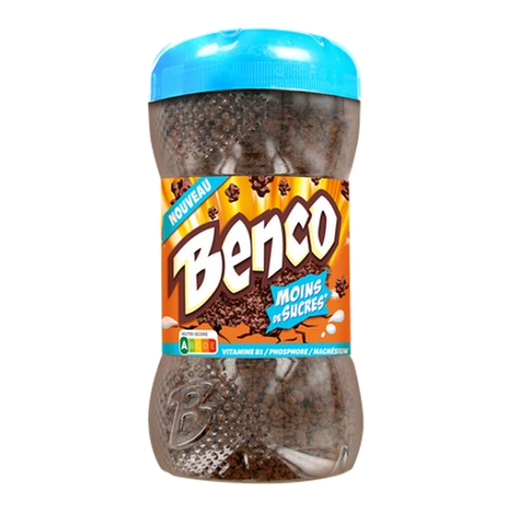 Image unavailable
BENCO Less Sugar, chocolate granules, 400 g
The tub is a good option if you can measure out and carry the amount you need separately. To assess the “Less Sugar” claim, compare the sugars per 100 g with those in other products and check the exact packaging for allergens.
View on Joybuy
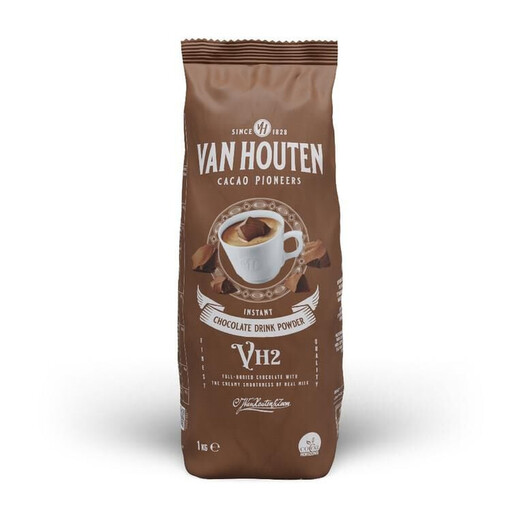 Image unavailable
VAN HOUTEN VH2, 34% drinking chocolate powder, 1 kg
This 1 kg pack is better suited to making several drinks, where you can portion the powder yourself, than to taking a single serving to the airport. The preparation instructions call for hot milk; the product listing mentions milk and possible traces of nuts, which you should check on the packaging.
View on Joybuy
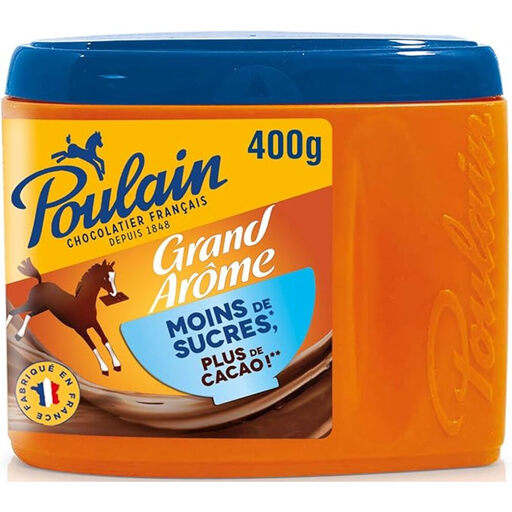 Image unavailable
POULAIN, full-flavoured cocoa, 400 g
You’ll need to measure the powder from this tin if you only want to take one serving. Compare the sugars and ingredients list with those of other recipes, and check the full label for allergens too.
View on Joybuy
Frequently asked questions
Is Nutri-Score compulsory on drinking chocolate powder?
No. According to the DGCCRF, Nutri-Score is voluntary, while a nutritional declaration is compulsory for most prepacked foods. If the logo is shown, also check the sugars, ingredients and allergens for the product.
Does the tax on sugary drinks automatically apply to drinking chocolate powder?
No. Its sugar content alone doesn’t establish whether the powder is covered. The legislation published by Légifrance applies to drinks and liquid drink preparations that meet specific conditions; you shouldn’t assume it automatically applies to powder sold in dry form.
What should I check on the label if I have an allergy or intolerance?
Read the full ingredients list and highlighted allergens on the exact product. Banania Original’s product listing mentions wheat and barley, among other ingredients, and possible traces of milk and soya; Carrefour’s listing for Nesquik sticks mentions soya lecithin.
Can I take drinking chocolate powder on board a plane?
Check the rules for your journey before you set off. The Ministry responsible for transport points out that an item’s type, packaging and quantity matter, and that an airline may impose stricter rules. Check with your departure airport too, along with the rules for any connecting flights.


