Those in charge of a service with a machine
For a counter, staff room or dining area, your choice will depend first on the vending machine you have installed, then on whether the drink is made with water or milk and how the product is packaged.


For airport catering, sticks make it easier to count drinks, while a large-format powder leaves the person preparing them to measure each serving. A vending-machine mix is only suitable if it works with the machine you have installed. Before placing any order described as a ‘pack of 240’, check whether that figure refers to individual units, servings or large containers. Then compare the serving instructions, sugars, allergens and preparation directions for each product.
For a counter, staff room or dining area, your choice will depend first on the vending machine you have installed, then on whether the drink is made with water or milk and how the product is packaged.
Sticks make it easy to hand out and count servings one at a time. However, check how many sticks are in each box: an individual pack may not provide the quantity you need for your service.
If the drinks are for several people, compare sugar content on the same basis and check the ingredients for the exact product you’re ordering. Look out in particular for soya, milk or cereals containing gluten.
Worth considering: if you already have a suitable machine installed and expect to serve a large number of drinks.
Bear in mind: a large-capacity sachet is not an individual serving; you’ll need to follow the recipe and the requirements of your machine.
Worth considering: if each person takes a pre-packed serving or you need to keep track of how many units are handed out.
Bear in mind: with small packs, you’ll need to check the total number of sticks ordered, and there will be more individual packaging.
Worth considering: for manual preparation when you don’t need pre-measured individual servings.
Bear in mind: the weight of a tin alone won’t tell you how many drinks it makes; you’ll need to know the serving size.
| Criterion | What to check | Who it matters to |
|---|---|---|
| Units and servings | Ask how many units are included, their net weight and the serving size per drink before interpreting the figure ‘240’. | I need to provide enough drinks for the service without confusing sachets, boxes and servings; around 42% of consumers put the quantity available first. |
| Serving method | Check the instructions for using water or milk and, where relevant, whether the product is compatible with the machine you use. | If I’m serving drinks at a counter using the equipment already in place, I need a mix that works with it; around 33% of consumers share this priority. |
| Ingredients | Compare the ‘of which sugars’ figures on the same basis and read the ingredients and allergen information for the exact product. | I want to know what’s in the drinks I serve, particularly their sugar content and allergens; this is the top criterion for around 25% of consumers. |
A 13.5 g stick and a 1 kg sachet of powder are not the same unit. Without details of the pack size and serving instructions, you can’t work out the number of drinks from the figure ‘240’ alone.
Before confirming your order, ask how many units will be delivered, the net weight of each one and the recommended serving size per drink.
According to the DGCCRF, Nutri-Score is voluntary in France. It doesn’t replace the nutritional information or ingredients list, which help you assess the product you’re buying.
In particular, compare sugars per 100 g of powder when the same basis is used. If the figures are for the prepared drink, take its recipe into account. Check the Nutri-Score if it appears on the packaging, but don’t rely on it alone to decide whether a product is right for you.
Recipes in this category may contain soya, milk or cereals containing gluten. A powder designed for a machine may also have different preparation instructions from a product intended to be mixed by hand.
Read the label for the variant you’re ordering and check which liquid it requires, as well as whether it’s compatible with your machine, before placing a group order.
Depending on the recipe and equipment, you may also need to allow for milk, cups or machine cleaning.
The range includes tins of powder as well as individual sticks. Carrefour, for example, lists a 1 kg tin and a pack of 12 sticks weighing 13.5 g each.
Grand Arôme and Super Poulain are two distinct chocolate powder products available in formats for home use.
According to Banania, its Original chocolate powder is available in 250 g, 400 g and 1 kg formats.
E.Leclerc lists a 1 kg pack of P'tit Déli instant chocolate drink powder.
These products include a 1 kg powder to consider for a service with suitable equipment, individual sachets and powders for manual preparation. Pack sizes vary, so choose your serving method first, then check the total quantity you’ll need.
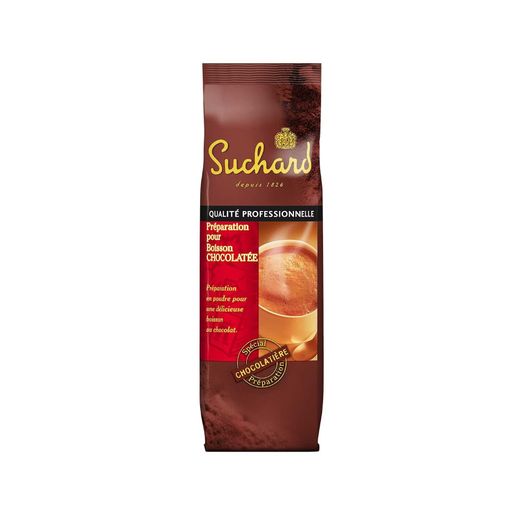 Image unavailable
Worth considering for a group service using a vending machine, provided you first check that it’s compatible with the machine installed. The listed pack size is 1 kg; confirm the serving size you’ll use to work out how many drinks you can prepare.
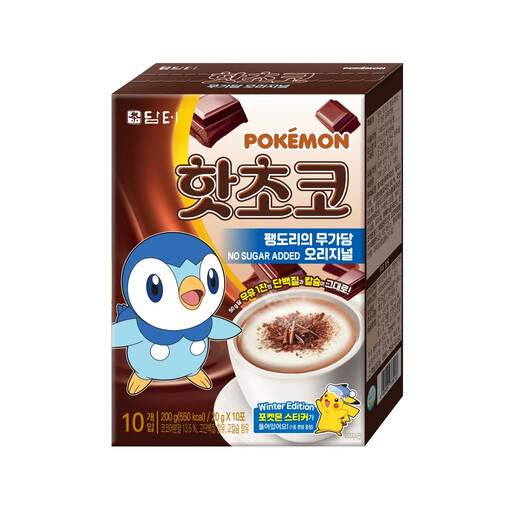 Image unavailable
This individual format is suitable if servings need to be handed out and counted separately. The listed box contains 10 sachets of 20 g, not 240; check how many boxes you need to order. For ingredients and allergens, check the label for this variant rather than relying on its name alone.
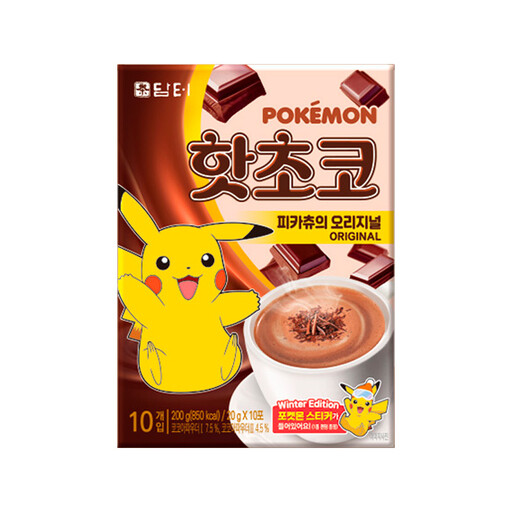 Image unavailable
Another individual format to consider if you’re handing out one sachet per person. The listed box contains 10 sachets of 20 g, so calculate how many units you’ll need for your service and check the ingredients for this product, which is different from the sugar-free variant.
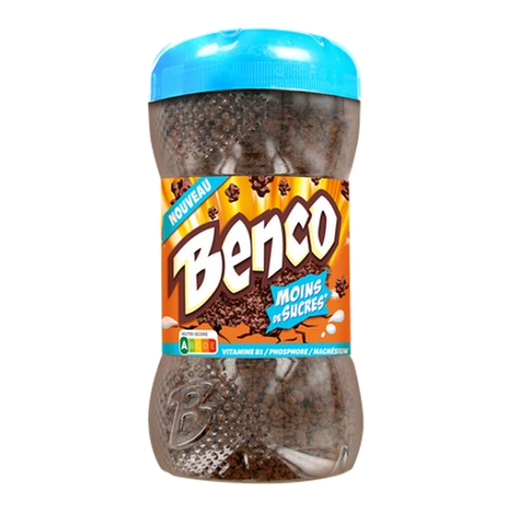 Image unavailable
Worth considering when drinks are prepared by hand rather than served in sticks. The listed tin weighs 400 g; check the serving size before working out how much to order. The ‘Less Sugar’ name doesn’t replace checking the sugar content on the label.
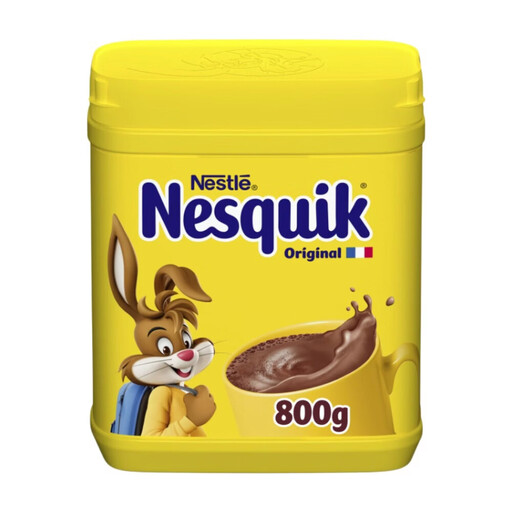 Image unavailable
This 800 g format is suited to a service where drinks are prepared by hand. To plan servings, check the dosage in grams. To compare nutritional information, make sure the products use the same basis: powder or prepared drink.
No. According to the DGCCRF, Nutri-Score is voluntary in France. To compare prepacked foods, check the nutritional information and ingredients for each product. Also check whether the figures are given per 100 g of powder or for the prepared drink.
Check the product name, net quantity, ingredients and allergens, nutritional information, date and preparation instructions. If you’re using a machine, also make sure the product is compatible with the vending machine you’ll be using.
Start with the number of drinks you need to serve, then check how many units are included in each order and the serving size per drink. A 20 g stick, an 800 g tin and a 1 kg sachet are different pack formats, so check exactly what the figure ‘240’ refers to before placing your order.