
Livraison le jour même ou le lendemain

Qualité garantie

Débloquez vos offres de bienvenue: Livraison GRATUITE | Jusqu'à -80 % | 30 jours d'essai gratuits à JoyPlus
Téléchargez l'application
A zinc food supplement can meet several needs: correcting an inadequate intake, contributing to the normal function of the immune system, or helping to maintain normal skin, hair and nails. However, the label alone is not always enough to compare two products.
Some marketing claims can be particularly confusing:
Here are the criteria to consider before choosing and buying.
The most common forms are zinc bisglycinate, zinc citrate and zinc oxide. Bisglycinate is bonded to two glycine molecules, while citrate is a zinc salt. When comparing products, focus mainly on the amount of elemental zinc per daily dose, clearly shown in the nutritional table.
A zinc bisglycinate capsule may provide 15 mg of elemental zinc, while a tablet described as containing ‘50 mg’ warrants a closer look at the ingredients. For everyday use, do not choose a product solely based on the number of milligrams displayed on the front.
A high-strength zinc supplement should not be chosen lightly. A high dose may be intended for occasional use or recommended by a healthcare professional, but it should not be combined with several products that already contain zinc.
Also follow the directions for use: this is generally one tablet or capsule per day, taken with a meal or a large glass of water, depending on the formula. Children, teenagers, pregnant or breastfeeding women, and people with kidney or digestive conditions should seek medical advice before taking any supplement.
A product combining zinc and vitamin C may suit those who prefer to get two nutrients in a single tablet. A formula combining zinc and vitamin D3 may also contain calcium, magnesium, selenium or vitamin K2. These combinations simplify your routine, but make it essential to check your total intake from all sources.
If you have specific dietary preferences, look for vegan zinc, gluten-free zinc, lactose-free or non-GMO claims where these criteria matter to you. The format is also important: capsules, tablets to swallow and zinc gummies suit different habits. Gummies often contain sugar or glucose syrup, so remember to check the ingredients list.
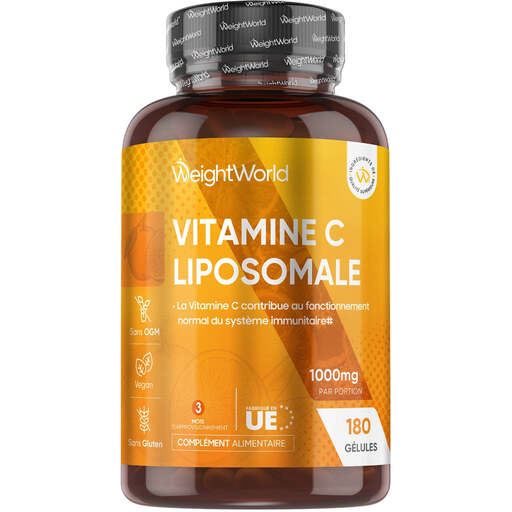
Why this choice suits this profile: This 2-in-1 formula makes it easy to get started with just one tablet a day, without having to juggle multiple bottles.
The table clearly distinguishes 1,000 mg of vitamin C from 10 mg of zinc in citrate form, making the amount of elemental zinc easy to identify.
180 tablets, 10 mg of zinc per tablet, vegan formula and no added sugar according to the product details.
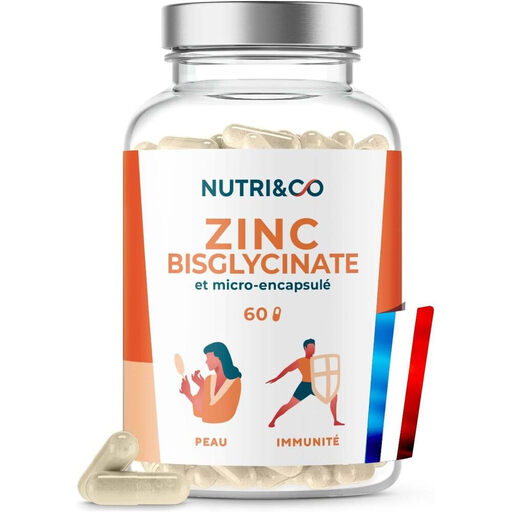
Why this choice suits this profile: This product is aimed at adults who prioritise a streamlined formula, a plant-based capsule and detailed traceability.
The product details specify the amount of elemental zinc, the presence of selenium yeast, and the absence of declared allergens, GMOs and gluten.
15 mg of elemental zinc per capsule, 60 capsules, made in France as stated, and a vegan capsule.
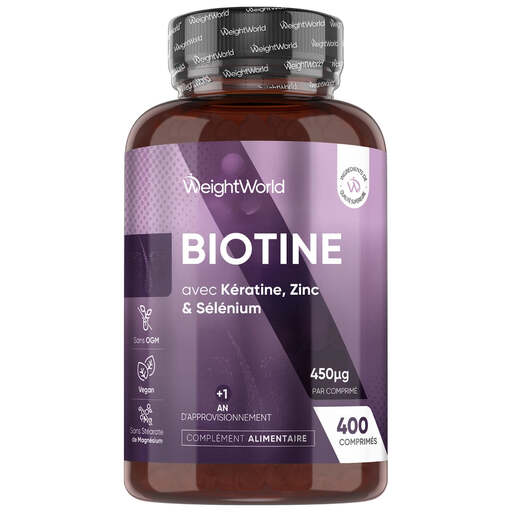
Why this choice suits this profile: This formula combines zinc, selenium, biotin and keratin for people who want to bring together several nutrients associated with healthy skin, hair and nails.
The detailed composition lets you check each active ingredient and avoid confusing a simple ‘beauty’ claim with a precisely documented formula.
400 tablets, with one tablet per day according to the product details, in a formula described as vegan, gluten-free and lactose-free.
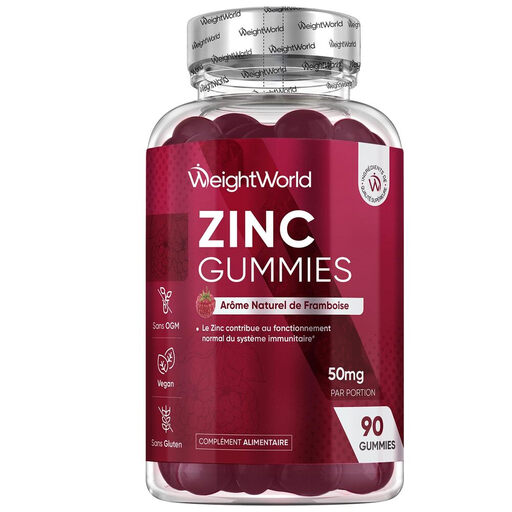
Why this choice suits this profile: The chewable format may suit adults who do not enjoy taking capsules or tablets regularly and want an easier way to take their supplement.
The product details distinguish between 50 mg of zinc citrate and 15 mg of elemental zinc per gummy. They also specify the presence of sugar and glucose syrup.
90 gummies, pectin-based and described as vegan. The product details recommend not continuing use beyond three months without medical supervision.
We have put together a comprehensive, real-time updated selection of products that meet these strict criteria and European regulatory safety requirements.
Yes, some products are designed for daily use, provided you follow the stated dose and do not combine several sources of zinc. Prolonged use of a high-strength zinc supplement should be discussed with a healthcare professional, particularly because of the risk of excessive intake and nutritional interactions.
Zinc bisglycinate and zinc citrate are two common forms. The choice mainly depends on the elemental zinc content, the complete formula, the format and your tolerance. The word ‘absorption’ alone on the packaging is not enough to distinguish between two products.
The duration depends on your goal, your diet and the recommendations on the label. For a high-strength formula, avoid continuing treatment on your own initiative without professional advice. Also take into account any other supplements you use so that you can calculate your total intake.