
Livraison le jour même ou le lendemain

Qualité garantie

Débloquez vos offres de bienvenue: Livraison GRATUITE | Jusqu'à -80 % | 30 jours d'essai gratuits à JoyPlus
Téléchargez l'application
Zha Cai, the star condiment from Sichuan, is the secret ingredient for instantly adding character and umami flavour to your dishes. Perfect for livening up a simple bowl of rice, accompanying a comforting congee, or elevating a noodle soup, its versatility is astounding. But when faced with the shelves (virtual or otherwise) of Asian grocery stores, how do you find your way? The risk of choosing the wrong one is very real.
My role, as Head of Product Selections at Joybuy, is to guide you. Together, let's sift through the common pitfalls and the criteria that truly matter for choosing THE Zha Cai that you'll love, beyond the marketing hype.
The 2 Pitfalls to Avoid When Buying Zha Cai:
To avoid these disappointments, a few details are all it takes to make a world of difference.
The crunchiness of Zha Cai depends directly on the part of the tuber used. For maximum crunch, look for products that state they use the mustard tuber heart (榨菜头, zhà cài tóu). This is the holy grail. Being denser, this part retains its firmness even after pickling. Products sold as strips or unspecified pieces may contain parts of the stem or leaves, which are much softer and therefore less appealing.
Zha Cai comes in several flavour profiles. Here's a little glossary to help you navigate them:
The format is a practical criterion that shouldn't be underestimated.
To help you choose, here is our selection of top picks that meet different needs, based on the criteria we've just discussed.
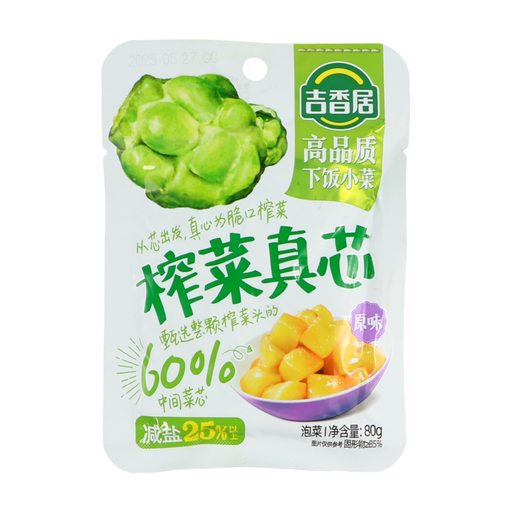
Why we chose it: For those who crave the authentic taste of Sichuan, complete with the numbing sensation (*málà*) of local peppercorns and a heat that doesn't hold back. A condiment with real character!
This product is made from the tuber heart, which guarantees an impeccable crunch. Its flavour profile is clearly advertised as spicy and complex, not just salty.
Ultra-crunchy texture and a complex flavour, enhanced by a touch of Sichuan peppercorn (1%).
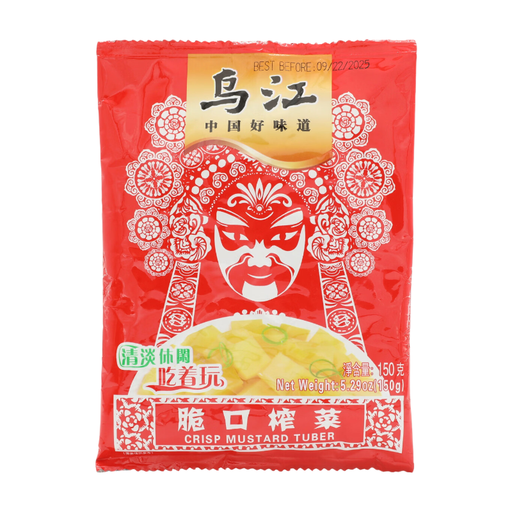
Why we chose it: Perfect for elevating a bowl of rice, noodles, or congee in an instant. The Wujiang brand is a trusted name, and this product is an ultra-versatile classic.
The "Crisp" label and the brand's reputation are guarantees of a quality texture. Its balanced flavour makes it a versatile staple, eliminating any risk of disappointment.
Ready to use, with a crunchy texture and a balanced flavour that complements any dish. The 150g format is just right.
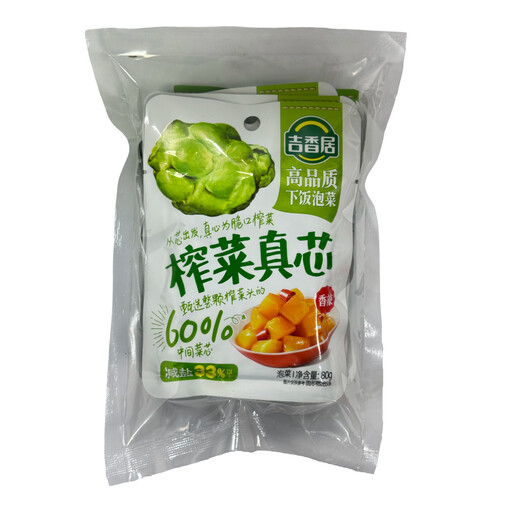
Why we chose it: Perfect for families or Zha Cai addicts who always want to have some on hand. This economical format allows you to stock up and make fewer trips to the store.
Buying in a multipack ensures you always have your favourite product available. The individual pouches preserve the freshness of each portion until the very last moment.
Economical 5-pack format, with individual pouches for maximum freshness with every meal.
The world of Chinese pickled vegetables is vast. Let yourself be tempted by other specialities like Suan Cai (fermented cabbage) or pickled seaweed.
For larger formats, proper storage is key. Transfer the remainder to a glass jar or an airtight container and place it in the refrigerator. To enjoy its crunch and aromas, it's best to consume it within a week.
Yes, like any product preserved in brine, Zha Cai is quite salty. This is part of its flavour identity. If you're watching your salt intake, feel free to give it a quick rinse under cold water before use. This will reduce the saltiness without stripping its flavour. Note that some brands, like Wujiang, offer "light" versions with reduced salt content.
Its versatility is one of its greatest strengths. Here are a few ideas to get you started: