Students who want to buy the right amount
You eat at home and want a number of portions that suits how much you consume, without leaving some of the pack unused.


If you’re a student moving into a new home, start by choosing a pack you can keep chilled and finish before its use-by date. A small pack gives you a chance to work out how much you get through; a drinkable option is handy for taking with you, but check its product description and recipe. If you’re looking for a “6 pint” format, check the quantity shown on the packaging: this expression alone doesn’t tell you whether it’s a pack of six pots.
You eat at home and want a number of portions that suits how much you consume, without leaving some of the pack unused.
You need to fit your shopping in the fridge and finish products before their use-by dates. When you’ve just moved in, a small pack makes it easier to work out how much space you have and how much you’ll get through.
You’re considering a drinkable format or a recipe with a particular protein content. The product description and nutritional information help you tell these products apart from plain yoghurt.
First, decide how many portions you can store and eat in time. Then compare the recipe and format, depending on whether you’ll keep the product at home or take it with you during the day.
| What to consider | What to check | Who is it for? |
|---|---|---|
| Quantity and portions | Check the number of pots and their size, then consider whether you’ll finish the pack before its use-by date. | I want to buy portions I’ll actually use, without leaving a large pack unfinished. Around 44% of consumers would make choosing the right quantity their priority. |
| Storage space and keeping chilled | Check the space in your fridge, the use-by date and the storage instructions on the packaging. | My fridge is small and I don’t yet know how often I’ll shop. Around 33% of consumers would put managing fresh food first. |
| Format and recipe | Read the product description, ingredients and sugar and protein values per 100 g and per portion, where available. | I need a portion to take with me, or I’m comparing recipes with different nutritional profiles. Around 23% of consumers would put this use first. |
Two packs of yoghurt may contain different numbers of pots or different-sized portions. The number shown on the front doesn’t tell you on its own how much you’ll need to store.
Check the number of pots and their size, then compare them with how much you usually eat.
A pack that won’t fit in your fridge or that you can’t finish in time can make it harder to store your food properly. Anses advises that food with a use-by date should not be eaten after that date.
When you’ve just moved in, check the use-by date and the space you have before choosing a pack size. For the journey home, pick up chilled products at the end of your shop, as Anses recommends.
The drinkable format alone doesn’t tell you the product description or recipe. For example, Auchan describes one of its drinkable products as a sweetened fermented milk drink.
Read the product description and nutritional information for the specific product you’re considering, rather than guessing its ingredients from its format.
Their ranges include different formats and recipes to compare, but the features of one product don’t necessarily apply to an entire brand.
Danone’s range includes HiPRO products in pots, drinkable formats and desserts.
The brand’s ranges include Panier de Yoplait, Perle de Lait, Skyr, Câlin and Nature Sucré.
The retailer’s range includes Carrefour Classic’ and Carrefour Bio products, in a variety of pack sizes.
The retailer’s ranges include Delisse, Sport and Végé, as well as a variety of pot sizes.
The retailer’s range includes plain yoghurts and drinkable products.
The retailer sells Envia dairy products and, among its yoghurt options, packs of six pots.
This selection features a lactic acid bacteria drink in small portions to take with you. It isn’t a pack of six pots, nor is it a yoghurt with an established product description.
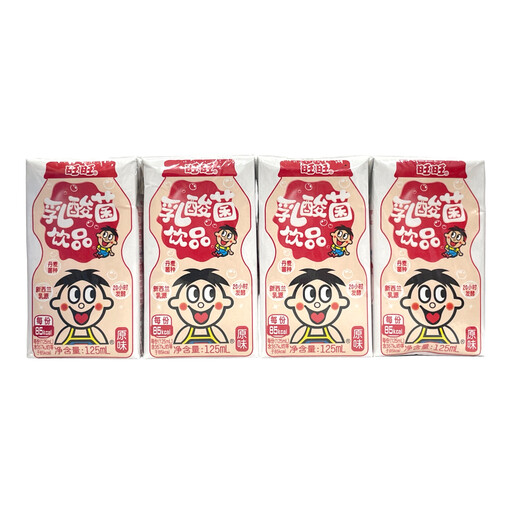 Image unavailable
This pack of four small portions may suit anyone looking for a drink to take with them. Before treating it as a product comparable to yoghurt, check the product description, date and storage instructions on the packaging.
Yes, if you can keep all the pots chilled and finish them before their use-by dates. Check the number of portions and the space in your fridge before choosing a pack.
Pick up chilled products at the end of your shop and put them in the fridge as soon as you can, following Anses advice on maintaining the cold chain. Then follow the storage instructions and use-by date on the packaging.
No: the product description depends on the specific product. For example, Auchan describes one of its drinkable products as a sweetened fermented milk drink. Read the product description and ingredients list before comparing it with plain yoghurt.
No. According to Santé publique France, displaying it is voluntary. If it’s shown, also check the ingredients, nutritional information, portion size and date on each product.