If several people regularly have yoghurt for lunch during the holidays, a multipack of plain yoghurt pots could be a good choice, provided you can keep it chilled and eat the portions before their use-by date. For lunch away from home, an individual drink is a different option: check its product category, recipe and storage instructions rather than treating it as equivalent to plain yoghurt.
Who are these options for?
Families who often serve yoghurt at lunchtime
If you’re planning to serve several pots throughout the week, a multipack can make it easier to portion them out. Carrefour, Auchan and E.Leclerc offer plain yoghurt in 12 × 125 g multipacks; E.Leclerc also offers a 16 × 125 g pack. Consider the number of pots in relation to the meals planned and the space in your fridge.
People who pay close attention to ingredients
When choosing between plain, sweetened, skyr and high-protein options, compare the ingredients and nutritional values of each product. Yoplait and Carrefour offer products with different portion sizes and ingredients, so the range name alone is no substitute for checking the label.
Households that sometimes have lunch away from home
An individual container may be easier to carry. The key difference is how it needs to be stored: fresh yoghurt must be kept chilled, while a UHT dairy speciality may have different storage instructions before opening. The Anses recommends limiting the time that perishable foods spend at room temperature.
What should you look for first?
For school-holiday lunches, start by working out how many portions you’ll actually need. Then check the recipe and storage instructions, depending on whether you’ll be eating at home or out and about.
| Criterion |
What to check |
Who is it for? |
| Number of portions |
Number and size of pots; use-by date and space in the fridge. |
When we have several lunches planned at home, I want enough pots without leaving some of the pack uneaten past its use-by date; around 36% of consumers prioritise a quantity that suits their household. |
| Recipe |
Ingredients list; sugars and fat per 100 g. |
If I’m choosing between plain, sweetened or organic, I want to know the ingredients of the specific product before serving it; the recipe is the top priority for around 29% of consumers. |
| Protein content |
Protein per 100 g and portion size; category of the product being compared. |
If I want to include a product with a stated protein content at lunch, I compare similar portions and product categories; around 21% of consumers put protein content first. |
| Transport and chilling |
Storage instructions before and after opening; a way to keep fresh products chilled while travelling. |
When I’m going out, I look for a portion that’s easy to take with me without overlooking its storage requirements; this is the main consideration for around 14% of consumers. |
Mistakes to avoid
-
Buying a large multipack without counting the meals you have planned
A pack of 12 or 16 pots may leave you with unused portions if its use-by date falls before the planned lunches. The Anses reminds consumers that highly perishable products carrying a use-by date must not be eaten after that date.
Count the portions you’ll need, check the date on the pack and make sure you have enough room in the fridge before choosing a pack size.
Pots that aren’t eaten in time may have to be thrown away.
-
Assuming “organic”, “plain” and “high-protein” mean the same thing
These terms alone don’t tell you how much sugar, fat or protein a product contains. The Yoplait and Carrefour products featured here have different ingredients, depending on the product.
Compare the nutritional values per 100 g and the ingredients list for each product, particularly if milk or other ingredients are a concern for you.
-
Taking fresh yoghurt with you without planning how to keep it chilled
An individual pot is still a fresh product. The Anses recommends limiting the time perishable foods spend at room temperature; a UHT dairy speciality may have different storage instructions before opening.
Use a suitable cool bag or other means of keeping refrigerated products chilled while travelling, and read the pack instructions, including those that apply after opening.
Brands to compare
These examples let you compare specific products, formats and recipes; their characteristics don’t apply to every product from each brand.
Danone
According to the product listing shown by Auchan, Danone Le Nature is available in a 12 × 125 g multipack.
- This product is described as plain yoghurt made with milk and cultures.
- Check the nutritional values and the date on the pack you choose: this product listing doesn’t describe every Danone yoghurt.
Yoplait
The brand offers a Skyr Nature and a Nature Sucré yoghurt, among other products. These are two different recipes to compare separately.
- Yoplait states that its Skyr Nature contains 9,3 g of protein and less than 0,5 g of fat per 100 g.
- Its Nature Sucré contains 16,7 g of sugars per 100 g: the nutritional values for the skyr don’t apply to this other product.
Carrefour
Carrefour offers organic plain yoghurt in a 12 × 125 g multipack and a vanilla high-protein recipe in a 4 × 120 g pack.
- The product listing for the organic multipack mentions organic whole milk and live cultures.
- The vanilla high-protein recipe contains sweeteners; compare its ingredients with those of the organic plain yoghurt rather than treating them as alike.
E.Leclerc
The retailer offers, among other products, Eco+ plain yoghurts in a 12 × 125 g pack and Délisse in a 16 × 125 g pack.
- The two pack sizes let you choose according to the number of portions you have planned.
- The product listing for Bio Village organic plain yoghurt in a 12 × 125 g pack mentions whole milk. Check the exact recipe if this matters to you.
Auchan
Auchan offers its own-brand plain yoghurt in a 12 × 125 g multipack.
- Its product listing states that it contains 4 g of protein per 100 g.
- This product must be stored between 0 °C and +6 °C, so you’ll need to plan ahead if you’re eating away from home.
Lidl
Lidl France also offers formats other than large multipacks of plain yoghurt, including Envia fruit yoghurts in an 8 × 125 g pack.
- This pack contains eight individual pots for meals planned over several days.
- Fruit yoghurt isn’t automatically a like-for-like alternative to plain yoghurt when comparing recipes; check the label of the product you choose.
A drink option on Joybuy
This product is an individual drink option for lunch on the go. It isn’t a family-sized pack of plain yoghurts: check the recipe and storage instructions if you want to compare it with fresh yoghurt.
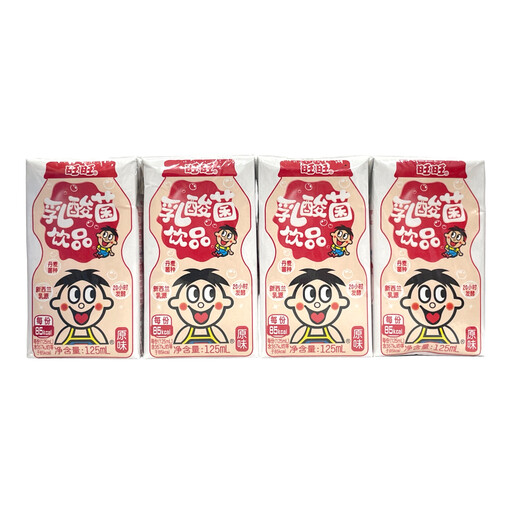 Image unavailable
WANT WANT Lactic Acid Bacteria Drink Original Flavour, pack of 4 × 125 ml
This drink format could suit lunch away from home if you’d rather have an individual portion than a pot of yoghurt. The pack contains 4 portions of 125 ml; it’s a drink, not plain yoghurt. Check the ingredients and storage instructions on the packaging, particularly after opening.
View on Joybuy
Frequently asked questions
Can you eat yoghurt after its use-by date?
No, if it’s a highly perishable product carrying a use-by date. The Anses says these products must not be eaten after the date shown on the packaging. Check for the words “use by” on the pot or pack.
How can you take fresh yoghurt with you for lunch out?
Use a way of carrying it that keeps it chilled. The Anses advises buying chilled products towards the end of your shopping trip and limiting their time at room temperature. Also check the storage instructions for the yoghurts you’re taking with you.
What should you check after opening yoghurt or a dairy speciality?
Follow the storage instructions on the packaging after opening, rather than relying solely on the date for an unopened product. The Anses recommends putting perishable foods back in the fridge straight after use.
Does organic plain yoghurt always contain less fat?
No: the organic label alone doesn’t determine the fat content. Carrefour and Bio Village product listings include organic plain yoghurts made with whole milk. Compare the values per 100 g shown for the products you’re interested in.


