
Livraison le jour même ou le lendemain

Qualité garantie

Débloquez vos offres de bienvenue: Livraison GRATUITE | Jusqu'à -80 % | 30 jours d'essai gratuits à JoyPlus
Téléchargez l'application
Equipping yourself for yoga or Pilates can quickly become overwhelming. Faced with a marketing jungle and an avalanche of options, it's easy to make a misstep. As the Product Recommendation Manager at Joybuy, my mission is to help you gain some clarity. Let's break down the common pitfalls and the criteria that truly matter for choosing durable equipment that's perfectly suited to your practice.
Before you commit, watch out for these classic mistakes that can turn a good investment into a total disappointment:
To make an informed purchase, focus on a few key technical features that make all the difference.
The choice of material for your sports mat is crucial.
A good non-slip yoga mat is the cornerstone of your home fitness setup.
The thickness of your mat directly impacts your comfort and balance.
To take your practice further, certain accessories prove to be invaluable allies:
Here is our selection of products that meet specific needs, chosen based on rigorous technical criteria.
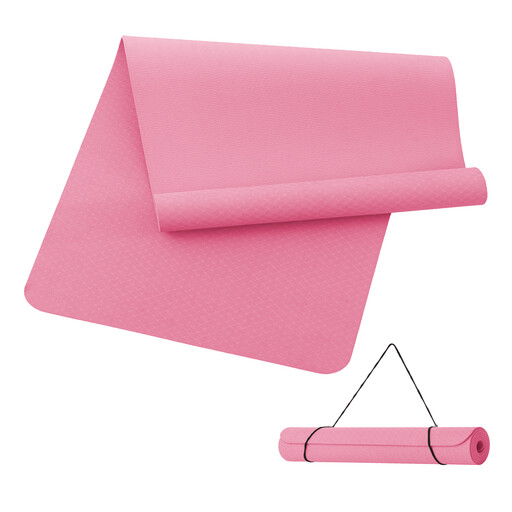
Why we chose it: Ideal for those who work out at home and need space. Its generous dimensions offer great freedom of movement, while its 6 mm thickness protects joints on hard floors like tile or wood.
Its high-density TPE construction with a double-sided texture (leaf and wave patterns) ensures reliable, long-lasting grip. Say goodbye to the skating-rink effect of low-end mats.
XXL dimensions (190x100 cm) for maximum comfort and an included carrying strap for easy storage.
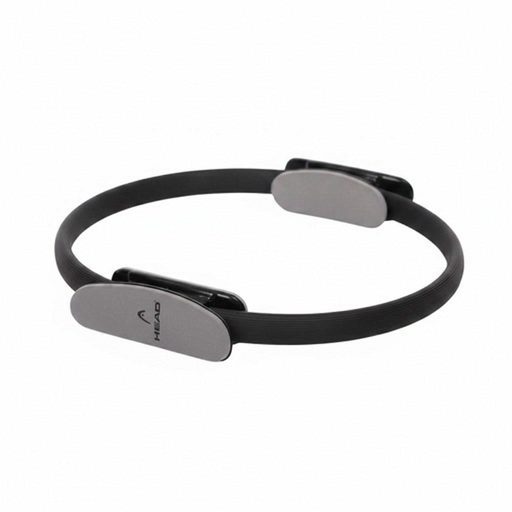
Why we chose it: This Pilates ring is perfect for intensifying workouts and targeting stabilizer muscles (thighs, arms, core). It's a compact and incredibly effective piece of Pilates equipment for at-home strengthening.
Made from PPA and EVA, materials known for their durability, it's designed to withstand heavy use without warping. No more rings that lose their resistance after a few sessions.
Padded handles for optimal comfort and 10 kg of resistance, offering a progressive and effective challenge.
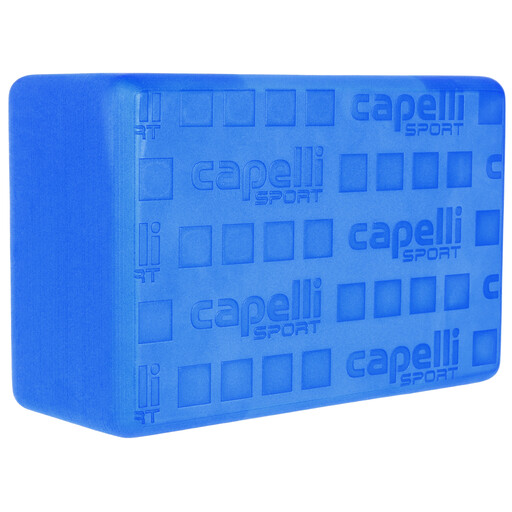
Why we chose it: This yoga block is an essential support tool for beginners. It helps modify poses, maintain correct alignment, and deepen stretches safely and without strain.
Its high-density PE foam is denser than standard EVA foam, ensuring stable and durable support that won't compress under your weight, unlike overly light blocks that sorely lack stability.
Non-slip surface and beveled edges for an easy and secure grip during exercises.
Explore our full selection of expert-vetted products, all of which meet our strict quality and safety criteria.
To preserve its quality, clean your TPE mat after each session with a damp cloth and a small amount of mild, soapy water. Rinse with clean water and let it air dry completely, away from direct sunlight which could degrade the material. Avoid harsh chemicals and, of course, machine washing.
While not mandatory, a yoga block is highly recommended, especially for beginners. It acts as an extension of your arms, helping you reach the floor in certain poses without compromising your alignment. It also provides stable support for seated postures or deep stretches, making the practice more accessible and safer.
The Pilates ring, or magic circle, is a resistance tool. It is primarily used to engage and strengthen deep muscles that are sometimes difficult to target. By squeezing it between your thighs, ankles, or hands, you activate the adductors, abductors, pectorals, and back muscles, thereby improving muscle tone and core stability.