
Livraison le jour même ou le lendemain

Qualité garantie

Débloquez vos offres de bienvenue: Livraison GRATUITE | Jusqu'à -80 % | 30 jours d'essai gratuits à JoyPlus
Téléchargez l'application
Whether you're a beginner looking for your very first mat or a seasoned yogi wanting to upgrade your gear, choosing the right yoga mat can quickly become a real challenge. With a maze of materials, thicknesses, and sizes, it's hard to find your way. This guide is here to help you see things clearly and find THE sports mat that perfectly suits your practice, your needs, and your body type.
To make the right choice, three essential criteria must be scrutinized: thickness, material, and size. Each of these elements has a direct impact on your comfort, stability, and the lifespan of your mat.
The thickness of a gym mat is crucial for the comfort of your joints.
The choice of material will define the grip, texture, weight, and even the environmental impact of your mat.
To help you make an informed decision, here are a few models that perfectly illustrate these different use cases.

What sets it apart: Its versatility. It's the ultimate all-rounder, ideal for beginners or for a mixed practice (yoga, Pilates, strength training).
Key features:
Who is it for? Those looking for a versatile and robust gym mat for their sessions at home or in the gym, whether for yoga, Pilates, or fitness.
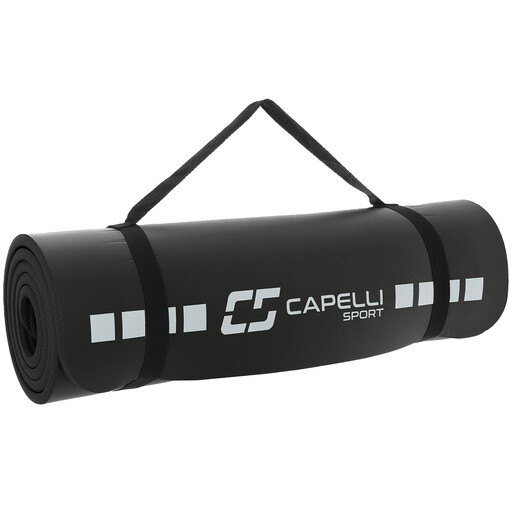
What sets it apart: Its absolute comfort. With its generous thickness, it is gentle on your joints.
Key features:
Who is it for? People who prioritize comfort above all else, especially for Pilates, stretching, or rehabilitation. It's also an excellent choice for beginners who need maximum support.

What sets it apart: Its natural grip that improves with sweat. The perfect ally for dynamic practices.
Key features:
Who is it for? Fans of dynamic yoga (Vinyasa, Ashtanga) and hot yoga. It's the perfect choice for anyone looking for a high-performance, non-slip yoga mat with an eco-conscious design.
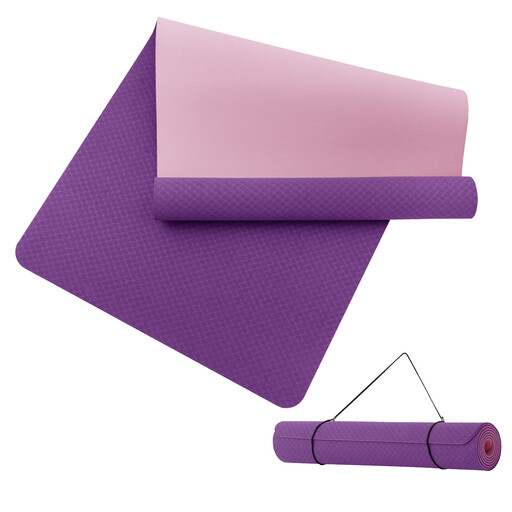
What sets it apart: Its XXL space. It offers unparalleled freedom of movement.
Key features:
Who is it for? Tall individuals, those who need space for wide-ranging movements, or simply anyone who wants to maintain their personal bubble in group classes.
If you enjoy practicing outdoors, the selection criteria change. Weather resistance and ease of cleaning then become priorities. To discover models specially designed for this purpose, take a look at our outdoor yoga mats category.
The most versatile thickness is around 6?mm. It's the best compromise between joint comfort and the stability required for balancing postures. Opt for thinner (3 to 5?mm) if you prioritize stability and portability, or thicker (8?mm and up) if the comfort of your knees and back is your top priority.
Most mats (PVC, TPE, NBR) can be cleaned simply with a damp cloth and a little soapy water (mild soap). Rinse with clean water and let it air-dry completely before rolling it up. For a cork mat, a simple wipe with a damp cloth is sufficient. In all cases, avoid harsh detergents and prolonged direct exposure to sunlight, which could damage the materials.
For maximum grip, especially if you sweat, cork is unbeatable: its grip improves with moisture. TPE and PVC mats with a good surface texture also offer excellent grip on dry surfaces. The final choice will depend on your type of practice and how much you tend to sweat.