
Livraison le jour même ou le lendemain

Qualité garantie

Débloquez vos offres de bienvenue: Livraison GRATUITE | Jusqu'à -80 % | 30 jours d'essai gratuits à JoyPlus
Téléchargez l'application
A mat that slips in the middle of a Downward-Facing Dog, knees that ache during lunges, a surface that crumbles after just a few sessions... We've all been there. Choosing a yoga mat seems simple, but finding the right one is the key to a practice that's both safe and enjoyable.
Whether you're a yoga enthusiast, a Pilates devotee, or simply looking for a floor mat for your home workouts, the options can be overwhelming. This guide gets straight to the point?: giving you the keys to make an informed choice, cutting through the marketing jargon and empty promises.
Before diving into our selection, let's review the essential criteria that will make all the difference.
The thickness of an exercise mat is crucial for the comfort of your joints, but also for your balance.
A non-slip yoga mat is essential to practice with confidence and avoid slipping, especially as the session intensifies and sweat comes into play. The grip depends on both the material and the surface texture. TPE or natural rubber are known for their excellent grip, while textured or open-cell surfaces further enhance adhesion.
The choice of material for your fitness mat directly impacts its durability, weight, grip, and, of course, how easy it is to maintain.
We've scoured the market to bring you three models that stand out from the crowd, each meeting a specific need.
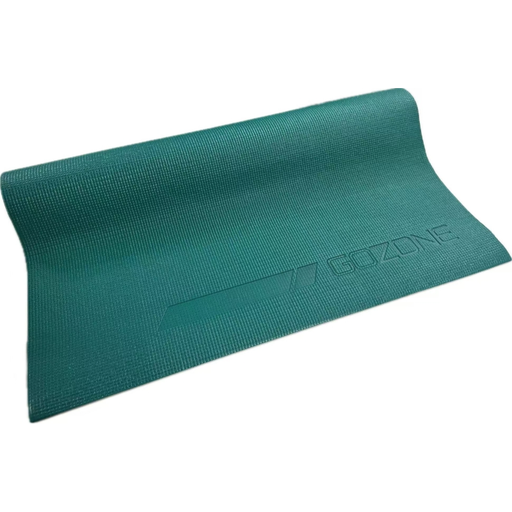
Why it stands out?: This mat is all about simplicity and practicality. With its 3?mm thickness, it's ultra-lightweight and rolls up in a flash, making it the ideal travel companion for your sessions at the gym or on the go. Its textured surface provides sufficient grip for basic floor exercises.
Key features?:
Who is it for?? An excellent choice for beginners, occasional practitioners, or as a second, portable mat. Its thin profile ensures an optimal connection with the ground, perfect for working on your balance.
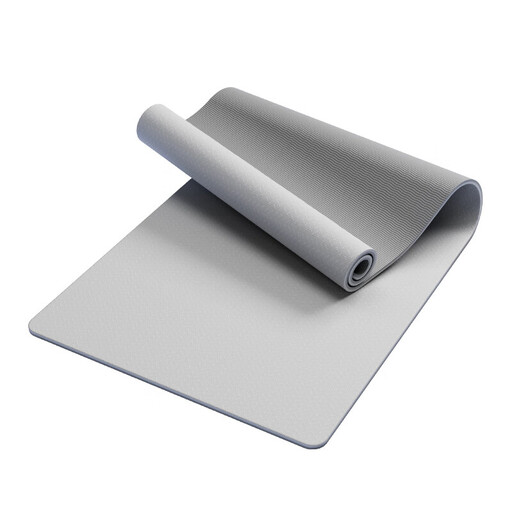
Why it stands out?: This is the perfect ally for a regular and demanding practice. Made from high-density TPE, it offers an impressive balance between cushioning and grip. Its generous dimensions (183 x 66?cm) provide ample space and freedom of movement?: a real bonus for flowing through postures.
Key features?:
Who is it for?? Ideal for yogis and Pilates enthusiasts, from beginner to intermediate level, who are looking for a reliable, comfortable, and spacious non-slip yoga mat for training at home or in the studio.
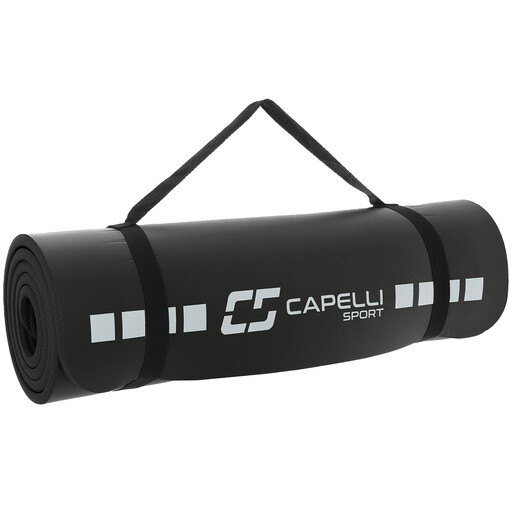
Why it stands out?: Here, it's all about comfort. With its extra-large thickness of 1.2?cm, this thick yoga mat goes all-in on cushioning. Its NBR foam is a godsend for protecting the knees, elbows, and back during floor exercises.
Key features?:
Who is it for?? This mat is the dream solution for fitness, Pilates, core work, and very gentle yoga styles where comfort takes priority over stability. It's the ultimate floor exercise mat for anyone with sensitive joints.
Our selection covers the most common needs, but your practice is unique. To find the model, material, or accessories that are truly right for you, feel free to explore our complete category.
? Explore our full range of fitness equipment
There's no single answer! The ideal thickness depends entirely on your practice and your sensitivity?:
For most PVC, TPE, or NBR mats, maintenance is a breeze. After each session, a wipe with a damp cloth is all it takes, with a drop of mild soap if needed. Rinse with another slightly damp cloth, then let it air dry completely before rolling it up. A word of advice?: avoid prolonged exposure to direct sunlight, as it can degrade the material.