
Livraison le jour même ou le lendemain

Qualité garantie

Débloquez vos offres de bienvenue: Livraison GRATUITE | Jusqu'à -80 % | 30 jours d'essai gratuits à JoyPlus
Téléchargez l'application
World snacks are an easy way to discover flavours from Asia, Europe and beyond without leaving France. However, with brightly coloured packaging, sometimes misleading formats and imported recipes that can be difficult to compare, shopping can still lead to a few disappointments.
A packet with an unusual design will not necessarily suit your tastes or eating habits. To choose spicy crisps, Japanese biscuits, Korean snacks or filled biscuits, a few simple criteria can help you avoid unpleasant surprises.
A 40 or 50 g bag may seem inexpensive, but its price per kilo can sometimes be considerably higher than that of a family-size packet. Before comparing products, always check the net quantity and, where available, the price per kilo.
Smaller formats are still useful for trying a flavour, organising a tasting session or controlling portions more easily. For regular consumption or a snack to share, packets weighing between 120 and 300 g are often more practical.
A name such as “hot”, “cheese”, “barbecue” or “Tom Yum” gives you a general idea of the product, but it does not always indicate its intensity or exact ingredients. A recipe may contain chilli, flavour enhancers, milk, soya or crustaceans.
For imported biscuits as well as Asian snacks, check the ingredients list and allergens before ordering. Recipes may also vary depending on the country of manufacture.
Crisps and biscuits quickly lose their crunch when left open. Even intact packaging cannot guarantee a perfect texture if the product has been exposed to heat or moisture.
Store them in a dry, cool place away from light. After opening, reseal the packet carefully or transfer its contents to an airtight container.
The product’s origin is not enough to judge its quality, but it can help you understand its positioning. Product listings for imported goods should also identify an importer or responsible person within the European Union.
In France, check that information about allergens, net quantity, best-before date and storage conditions is clearly understandable. For products from non-EU countries, these details are particularly useful for making an informed purchase.
If you enjoy chilli, distinguish between a recipe that is simply well seasoned and a product designed to deliver a very intense heat sensation. Spicy crisps may combine jalapeño, scorpion chilli, paprika, pepper or chilli sauces.
If you prefer a gentler introduction, start with biscuits or crisps in milder flavours such as vanilla, chocolate, strawberry, nori seaweed or sweet potato. Sweet and savoury snacks also make it easy to create a balanced selection for an evening tasting session.
Allergens are generally highlighted in the ingredients list. Among the most common in this selection are wheat, milk, soya, egg, peanuts, sesame, nuts and crustaceans.
A claim such as “gluten-free” should be read carefully and does not remove the need to check the label when your order arrives. HOT CHIP Strips, for example, are presented as gluten-free and contain 82 % pea flour, while several biscuits contain wheat, milk or soya.
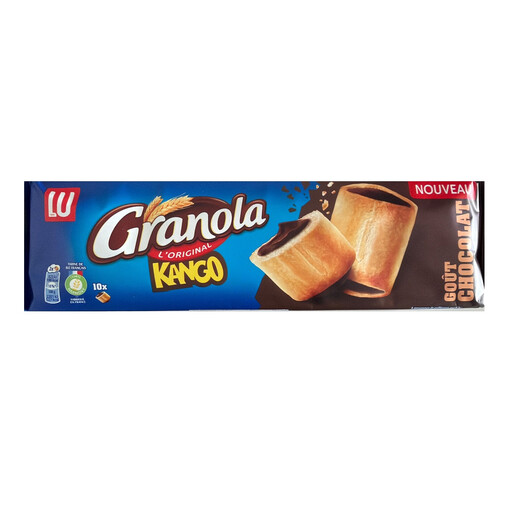
Why this choice suits this profile: At 187 g, this packet is ideal for sharing as a sweet treat or keeping in the family cupboard. The recipe is made in France and filled with chocolate.
Its clearly stated weight makes it easier to compare with smaller bags. The product listing also specifies the presence of wheat, milk, egg and soya among the allergens.
A crunchy biscuit with a chocolate centre, in a 187 g pack suited to snack time or sharing.
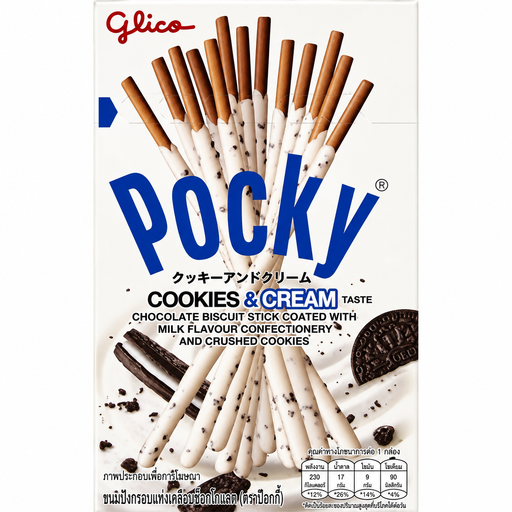
Why this choice suits this profile: These Japanese biscuit sticks coated in cookies and cream have a refined presentation. They are easy to serve with coffee or include in a gift selection.
At just 40 g, this format limits your spending when trying an imported flavour. The allergens milk, wheat and soya are clearly indicated.
Crunchy biscuit sticks, individual packaging noted in the product listing and a recommendation to consume immediately after opening.
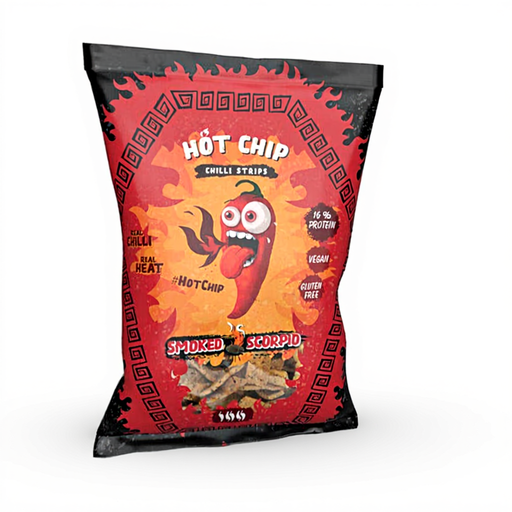
Why this choice suits this profile: This product is aimed at those who enjoy intense heat and are looking for a crunchy texture and a recipe made with pea flour.
The ingredients list specifies 1.3 % smoked jalapeño and 1.3 % scorpion chilli. You therefore know what to expect instead of relying solely on the packaging.
The product listing states that it contains 82 % pea flour, 17.5 g of protein per 100 g and no declared allergens.
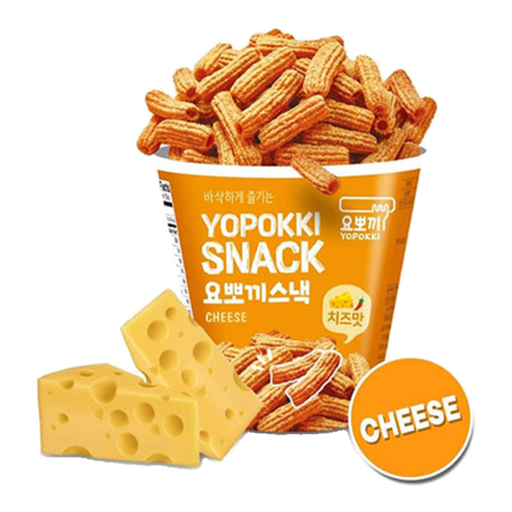
Why this choice suits this profile: This small Korean bag combines a wheat and rice base with tteokbokki-inspired seasoning and a cheesy note.
The 50 g bag lets you try a spicy, savoury flavour profile without committing to a large packet. The presence of milk, soya and wheat is clearly indicated.
A ready-to-eat format, an origin listed as South Korea and seasoning that combines chilli, soya sauce and cheese.
We have put together a complete, real-time updated list of products that meet these demanding selection criteria and European safety regulations.
Start with accessible flavours such as chocolate, vanilla, strawberry or cream. Japanese biscuits such as Pocky, chocolate-filled biscuits and sweet potato crisps let you explore different textures without jumping straight into very spicy recipes.
Keep them in a cool, dry place away from sunlight. Reseal bags carefully or use an airtight container. Crunchy products should generally be eaten soon after opening to preserve their texture.
Not necessarily. The price mainly depends on the format, origin, import costs and type of recipe. Compare the net quantity, price per kilo and number of portions before choosing between a small taster bag and a sharing packet.