
Livraison le jour même ou le lendemain

Qualité garantie

Débloquez vos offres de bienvenue: Livraison GRATUITE | Jusqu'à -80 % | 30 jours d'essai gratuits à JoyPlus
Téléchargez l'application
The world sauces aisle can be overwhelming. Between the promises of travel on the label and the jungle of exotic names, it's easy to get lost. Our mission: to arm you with the knowledge to make the right choice. The goal isn't to find the one "perfect" sauce, but the one that will satisfy your cravings and elevate your recipes, far from the siren song of marketing.
Before you fill your basket, let's break down the common pitfalls that turn good intentions into culinary disappointment (and food waste).
To avoid falling into the trap, you just need to master a few checkpoints. These are real benchmarks for choosing an Asian condiment (or any other) with confidence, relying on facts rather than packaging.
The first reflex should always be to turn the bottle over. The ingredient list, in descending order of quantity, is the ultimate judge.
Knowing what a sauce is for is the key to a successful dish. Manufacturers design their recipes for a specific purpose, which directly impacts their texture and composition.
To put theory into practice, here is our selection of gems that tick all the right boxes, for every type of cook.

Why we recommend it: A cornerstone of Cantonese cuisine. If you could only choose one sauce to bring that deep umami flavour and a beautiful sheen to your stir-fries, noodles, or meats, this would be it. A safe bet to get you started.
It avoids the false authenticity trap. The ingredient list is clear: real oyster extracts for a complex, savoury flavour, not just a sweet-and-salty substitute.
Its versatility. Perfect as a marinade or as a binder for a stir-fry, it's the smart investment for anyone starting their journey into Asian cooking.
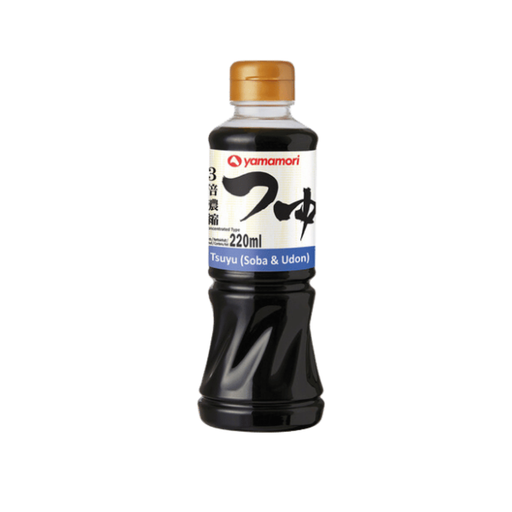
Why we recommend it: Essential for making authentic broths for udon or soba noodles. This concentrated soup base (to be diluted) offers that characteristic umami balance between salty and sweet.
It avoids the miscasting mistake. Its name, "Tsuyu," and description are unambiguous: it's a concentrated base to be diluted for broths or *tempura* dipping sauces. Impossible to go wrong.
Its concentrated formula saves time and money: just dilute it to get a rich broth or a dipping sauce for tempura. Practical and economical.
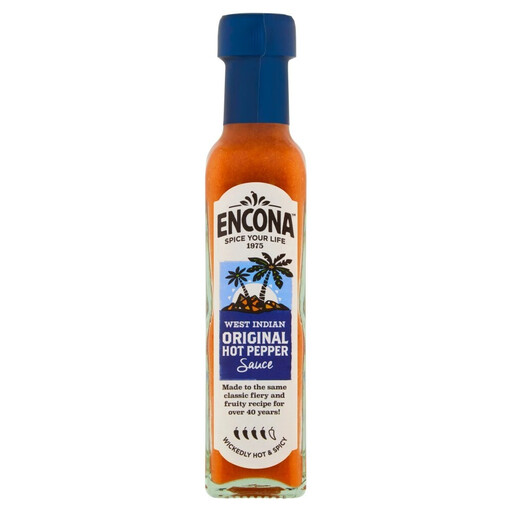
Why we recommend it: For those who like it genuinely hot. This Caribbean-inspired sauce delivers an intense, fruity heat, perfect for electrifying meats, stews, or even a simple appetiser.
It delivers on its promise. With 64% peppers (Habanero and Scotch Bonnet) at the top of the list, we're talking real firepower, not a timid sauce that's all show and no heat.
Its flavour profile is complex: notes of onion and mustard support the raw heat of the peppers for an experience that goes beyond just the burn.
We have curated a complete range of products for you that strictly adhere to our quality criteria and current standards.
Light soy sauce is more liquid, saltier, and... lighter in colour. It's used for seasoning, to add a salty (umami) flavour without darkening the dish. Dark soy sauce, on the other hand, has been aged longer. Often with added molasses, it's thicker, less salty, but sweeter. Its main role? To give a beautiful amber colour to braised dishes and marinades.
Most of these sauces (soy, chilli, vinegar) are preservation champions thanks to salt, acidity, or capsaicin, which are natural preservatives. Once opened, store them in the fridge. They will keep for several months, or even over a year for the saltiest or most acidic ones. Common sense is your best guide: if it looks or smells suspicious, or if you see mould? Don't hesitate, throw it out.
In theory, yes. In practice, it's a bad idea. A wok sauce is designed to be thinned out by cooking juices. Used neat, it will often be too salty, too thick—in short, overpowering. Conversely, a sweeter dipping sauce will burn and turn bitter if you throw it into a searing hot wok. For a perfect result, it's best to stick to the rules of the game.