
Livraison le jour même ou le lendemain

Qualité garantie

Débloquez vos offres de bienvenue: Livraison GRATUITE | Jusqu'à -80 % | 30 jours d'essai gratuits à JoyPlus
Téléchargez l'application
The appeal of world breads has never been stronger. Ordering an ultra-soft Japanese milk bread or the base for an exotic sandwich online has become child's play, opening up a previously unexplored world of flavors. But this world is not without its pitfalls. The gap between tempting descriptions and reality can often lead to disappointment. As the Head of Product Recommendations at Joybuy, my mission is to guide you through this jungle of options so you can make informed choices, far from the marketing hype.
Buying bread online, especially exotic varieties, comes with a different set of risks than your neighborhood bakery. Here are the most common disappointments that can spoil your experience.
To avoid these letdowns, it's crucial to look beyond the enticing photos and focus on more objective criteria.
The term "Asian bread" is a catch-all that includes very different products. Understanding the typology will help you know what to expect:
Knowing how to read a label is your best asset. For a red bean bread, check that red beans appear high on the list and that their percentage is specified.
The preservation method is also a good indicator. Long-shelf-life Japanese breads, for example, often include an oxygen absorber packet in a sealed package. This technique helps preserve freshness without overusing chemical preservatives. It's a hallmark of quality to look for when browsing an online Asian grocery store.
Be sure to check the required preparation method:
Here are a few products that meet specific needs, selected for their transparency and for delivering on their promise.
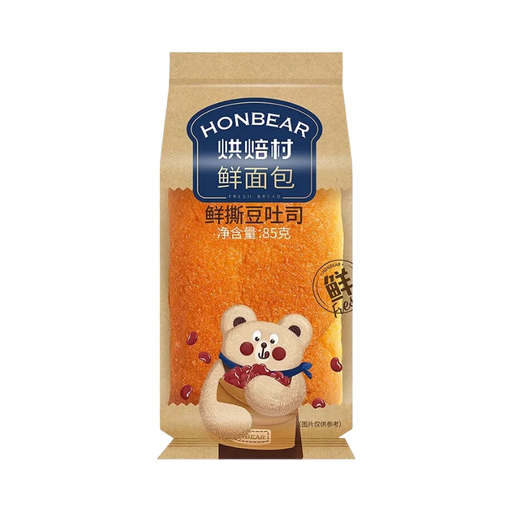
Why it's a great choice: Ideal for those looking for a unique and delicious snack. This sweet filled bread is an easy and tasty introduction to an Asian bakery classic, red bean paste, all with zero prep required.
This product avoids the "false authenticity" trap by clearly stating a red bean filling content of ≥ 15%, a quantified figure that guarantees real flavor, not just a hint of aroma.
Its soft, pull-apart texture and ready-to-eat single-serving format make it the perfect sweet break, whether at the office or on the move.
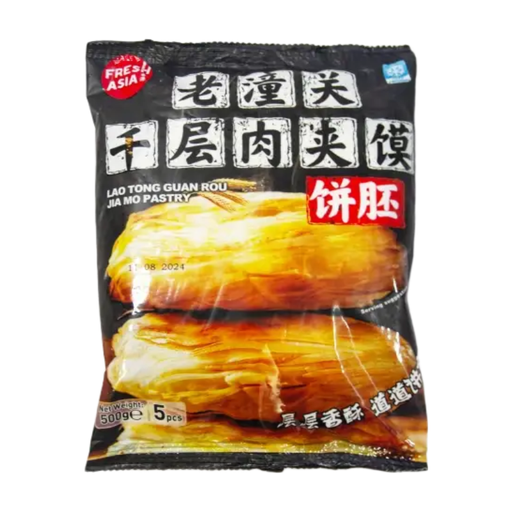
Why it's a great choice: Perfect for foodies who want to recreate the famous Chinese *Roujiamo* sandwich at home. Note that this is not a finished product, but a quality base for a truly authentic culinary experience.
This product prevents any surprises by clearly advertising itself as a thousand layer bread base that needs to be cooked. The promise isn't immediate enjoyment, but a crispy, flaky result after cooking, which prevents any disappointment about the texture.
A frozen, ready-to-cook product that guarantees a unique texture, nearly impossible to replicate yourself. It's everything you need to recreate an iconic street food dish at home.
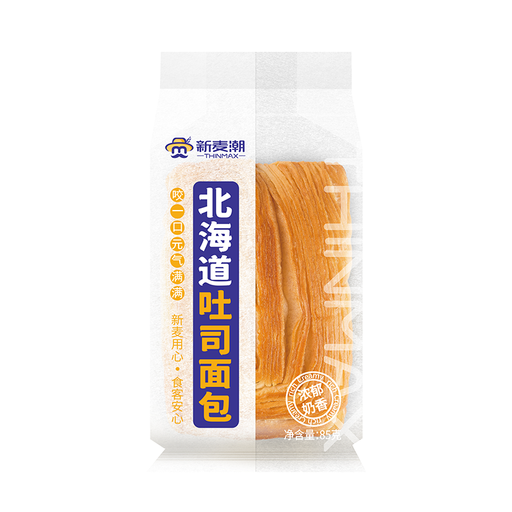
Why it's a great choice: For those tired of the traditional baguette and looking for a softer alternative for breakfast. This **Hokkaido**-style bread is the quintessential Japanese milk bread, perfect for buttered toast or incredibly soft sandwiches.
It avoids the "fake softness" trap because its very nature is to be a brioche-style bread. Its recipe, based on milk powder and eggs, is specifically designed to achieve the soft, stringy texture that defines it.
An exceptionally soft texture and a delicate milky flavor. Highly versatile, it can be enjoyed plain, toasted, or in a sandwich.
We have compiled a complete and up-to-date selection of products that meet our selection criteria and current regulations.
1. How should I store these world breads to maintain their freshness? It all depends on the product type. Long-shelf-life, individually wrapped breads (like many Asian breads) can be kept at room temperature in a dry place until the best-before date. Once opened, consume them quickly. Frozen products, like the bread for Roujiamo, must be kept in the freezer at -18°C (0°F). Par-baked baguettes also freeze very well to extend their shelf life.
2. Can I find world breads suitable for specific diets (e.g., vegan, kosher)? Yes, absolutely. Buying online actually makes it easier to access these niche products. For example, the PAUL HEUMANN Unleavened Wheat Bread is certified kosher and 100% vegan. The advice remains the same: carefully read the full ingredient list and check for any certifications mentioned on the product page.
3. What is the difference between Japanese milk bread (Shokupan) and classic French sandwich bread? The main difference lies in the texture and the production method. Japanese milk bread, or Shokupan, often uses the Tangzhong (or Yudane) method. This involves pre-cooking a small portion of the flour with water or milk before incorporating it into the rest of the dough. This process (a gelatinization of the starch) allows the dough to retain much more moisture. The result? A brioche-style bread with an incredibly soft and stringy crumb that stays fresh much longer than traditional sandwich bread.