
Livraison le jour même ou le lendemain

Qualité garantie

Débloquez vos offres de bienvenue: Livraison GRATUITE | Jusqu'à -80 % | 30 jours d'essai gratuits à JoyPlus
Téléchargez l'application
The world of world beers is an endless playground. From rich Belgian beers to crisp Japanese beers, the selection available when buying beer online can be overwhelming. As an expert editor, my role is to help you navigate this brewing landscape, guide you to the hidden gems that suit your taste, and help you avoid the marketing traps.
Before you check out, let's review a few common mistakes that can spoil your tasting experience.
To get it right, you only need a few reference points to decipher a beer's character.
It all starts here. The style is primarily dictated by the type of yeast and the fermentation temperature.
The geographical origin greatly influences a beer's profile, a result of centuries of brewing traditions.
The format depends on the occasion. A 75cl bottle is perfect for sharing and for a tasting where the aromas can fully develop. For a party or to stock up on your favourite references, a beer pack of 6, 12, or 20 bottles offers better value for money and ensures you don't run out for your beer delivery.
Here are a few gems that stand out for their character and cater to specific tastes, all while avoiding the usual pitfalls.
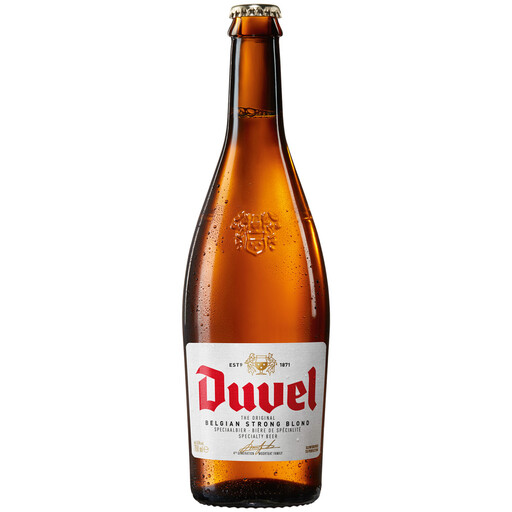
Why we chose it : It's THE benchmark for discovering the excellence of Belgian beer. Its "Belgian Strong Golden Ale" style is a global icon, perfect for a mindful tasting session.
This strong beer (8.5%) doesn't use its alcohol content as a gimmick, but as the backbone of its balance. The power is perfectly controlled to support a remarkable aromatic complexity.
A masterful balance between fruity notes (pear, apple), a fine bitterness, and a dry finish. The 75cl format is ideal for sharing.
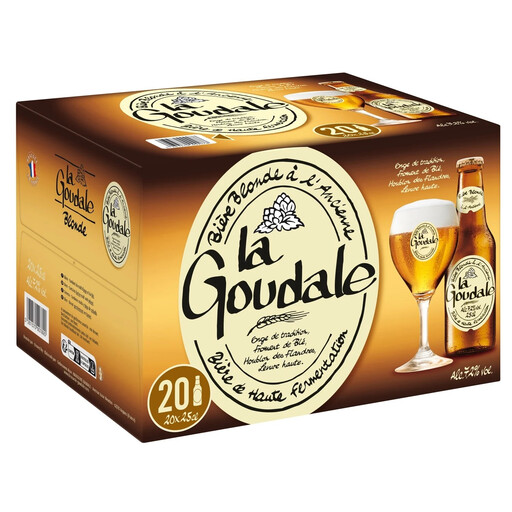
Why we chose it : For an aperitif, a barbecue, or simply to have good beers chilled and ready, this beer pack is a safe bet. A renowned and accessible French blonde ale that is sure to please everyone.
La Goudale doesn't hide behind vague marketing. It proudly claims its "Bière de Garde" heritage from the North of France. Its reputation is built on consistency and a straightforward profile.
Excellent value for money in a 20-bottle beer pack. Its malty and slightly fruity character makes it a very pleasant and crowd-pleasing session beer.
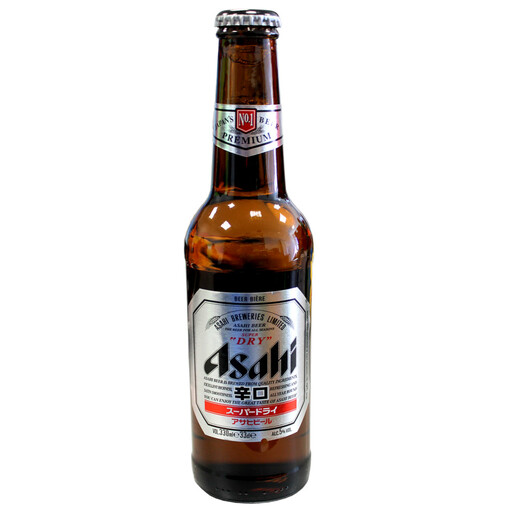
Why we chose it : For those seeking a crisp, clean, and exceptionally precise beer. This iconic Japanese beer single-handedly created the "Super Dry" (Karakuchi) style, offering an experience that's the polar opposite of traditional European beers.
Its marketing is crystal clear and delivers on its promise: a quick, dry finish. No vague claims of complexity, just the guarantee of a uniquely refreshing sensation.
An ultra-refreshing character and rare versatility at the dinner table. It pairs with everything from sushi to spicy dishes without ever fatiguing the palate.
If you prefer roasted flavours, discover our selection of brown and dark ales, all chosen with the same care.
Simply put, it's a matter of scale and philosophy. A craft beer is produced in smaller quantities, with an emphasis on innovation and the quality of ingredients, which are often locally sourced. Industrial breweries, on the other hand, aim for mass production, consistent taste, and wide distribution. There's no right or wrong answer; it all depends on whether you're looking for discovery or a familiar, reliable choice.
Three golden rules to preserve the aromas:
The date you see is a BBE (Best Before End) date. It's not an expiry date! After this date, the beer is not dangerous to drink, but its aromas (especially from the hops) will have lost their intensity. For a light, hoppy beer, it's best to drink it fresh. Conversely, some strong, dark beers, like Imperial Stouts or Barleywines, can improve with age, much like a fine wine, developing new flavours over time.
Alcohol abuse is dangerous for your health. Please drink responsibly. The sale of alcohol to minors is prohibited. Consuming alcoholic beverages during pregnancy, even in small amounts, can have serious consequences for the child's health.