Managers handling fluctuating demand
When the number of diners varies from day to day, pre-portioned units make it easy to count desserts before service, without having to cut them up. E.Leclerc and Aldi catalogues include multipacks, for example.


For a workplace canteen, choose a format based on how many desserts you need to serve and whether your team can portion them. Individually wrapped portions make it easier to handle fluctuating demand, while a tub or sharing cake is better suited to more predictable numbers. A pack labelled ‘family size’ won’t necessarily provide enough for a whole canteen service, so check the number of servings, storage instructions and ingredient and allergen information before choosing a product.
When the number of diners varies from day to day, pre-portioned units make it easy to count desserts before service, without having to cut them up. E.Leclerc and Aldi catalogues include multipacks, for example.
A tub or sharing dessert can work well when numbers are fairly predictable and your team can portion it while following the product’s storage instructions. E.Leclerc features tubs, while Picard offers desserts designed to serve several people.
For a one-off meal, petit fours and sharing desserts offer an alternative to the usual individual portions. Auchan and Picard include these in their catalogues. Check how many pieces or servings you actually plan to offer each diner.
Start by deciding how you’ll serve the desserts, then compare the number of portions you can actually use and any storage requirements. The E.Leclerc, Auchan, Picard and Aldi catalogues show a range of formats, but no single pack size will suit every canteen.
Choose these if: demand fluctuates or you need to count and hand out desserts without cutting them up.
Bear in mind: you’ll have more individual packaging to manage.
Choose these if: your team can serve the dessert with a spoon and keep portions consistent.
Bear in mind: serving takes time, and you’ll need a plan for an opened tub.
Choose these if: you know how many diners to expect or a team meal calls for a dessert you can slice and share.
Bear in mind: you’ll need to cut the dessert, follow the product’s defrosting instructions and manage any leftover portions.
Choose these if: you’re serving a buffet or reception with a selection of small bites.
Bear in mind: one bite-sized piece may not count as a full dessert portion.
| Factor | What to check | Who it matters to |
|---|---|---|
| Service and portions | Count the units in each pack and check that one unit matches the portion you plan to serve. | When numbers change, I want to hand out desserts without slowing down service. Around 36% of consumers put ease of serving first. |
| Yield and storage | Work out how many portions you can serve from each tub or cake, then check you have enough freezer space. | If I choose a large container, I want to be able to use its contents with the space and staff I have available. This is a priority for around 29% of consumers. |
| Variety and presentation | For a one-off meal, compare the number of pieces or servings and the recipes on offer. | For a buffet, I want a selection of small bites without assuming that one piece will be enough for each guest. Around 21% of consumers prioritise variety. |
| Ingredients and allergens | Check the labelling on every product you receive, including the ingredients, allergens and nutritional information. | Before adding a dessert to the menu, I need to identify its recipe and provide diners with the right information. Around 14% of consumers say this is their main concern. |
The E.Leclerc, Auchan, Picard and Aldi catalogues include cakes that serve just a few people and tubs of around 500 g. You may need several packs for a large service.
Start by working out how many desserts you need each day, then compare the stated serving numbers with a pack size suited to that demand.
Buying several small packs also means more handling, more storage space and more organisation during service.
A tub, a cake and a box of petit fours won’t provide the same number of servings. Their weight or piece count alone doesn’t tell you what each diner will be served.
Decide what counts as a serving for your service, then compare how many desserts you can actually serve from each format.
You should be able to match the product you receive to the information you give diners. The DGCCRF notes that the labelling on pre-packed food includes, among other things, an ingredients list and a nutrition declaration.
Keep the packaging or product sheet for the item you receive, and check the allergens again if the recipe or product changes.
Choosing a larger format also depends on whether you can receive, store and serve it according to its storage instructions. The DGCCRF advises following the temperatures shown on the label.
Check your freezer space before ordering and follow the instructions on each pack, including after opening or defrosting.
These retail ranges offer examples of formats to compare. For a canteen, confirm product availability and ordering arrangements through the channel you plan to use.
A range of ice creams and frozen desserts where you can compare individual portions and tubs.
A frozen pastry and dessert range that includes bite-sized treats and desserts to share.
A range of frozen desserts including cakes, tarts, charlottes and petit fours.
A range of ice creams in tubs and multipacks.
This selection includes frozen desserts in countable individual portions and tubs to portion out. For a canteen, compare the yield with the number of diners and check the information on the packaging you receive before serving.
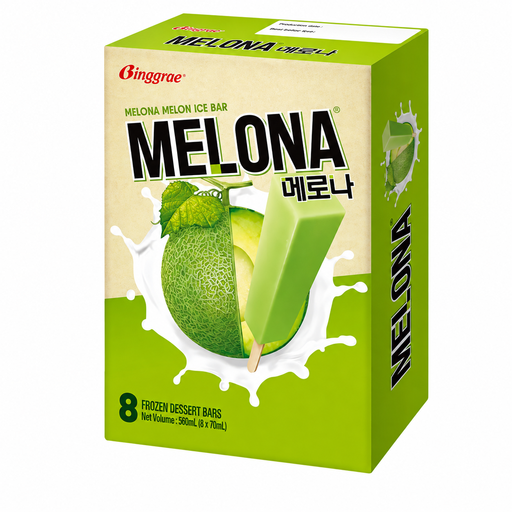 Image unavailable
The eight ice lolly sticks are a good choice when you need to count desserts before serving, with no portioning required.
Check that you have enough boxes for the number of diners, and refer to the packaging you receive for ingredients, allergens and storage instructions.
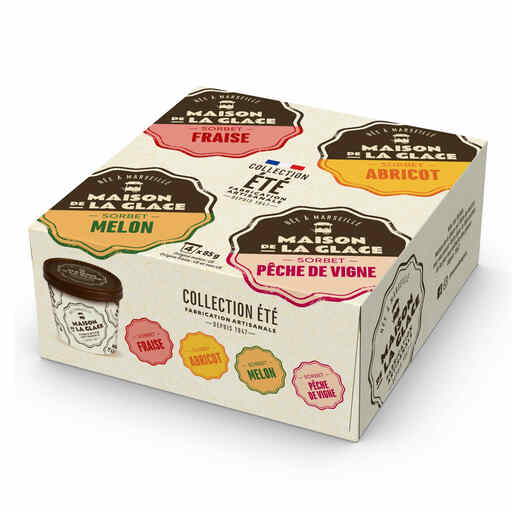 Image unavailable
The four pre-portioned servings save you from having to cut anything up for a small service or one-off meal.
Work out how many boxes you need, and check the ingredients and allergens for each flavour on the packaging you receive.
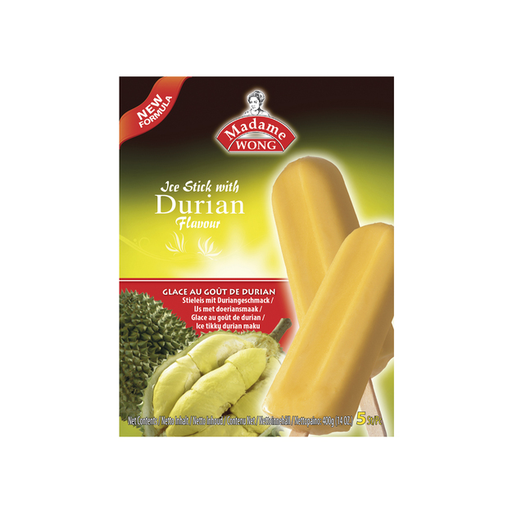 Image unavailable
The five portions can be counted out before serving frozen desserts, with no cutting required.
Decide whether one portion matches the serving size planned for your canteen, and check the ingredients and allergens on the packaging you receive.
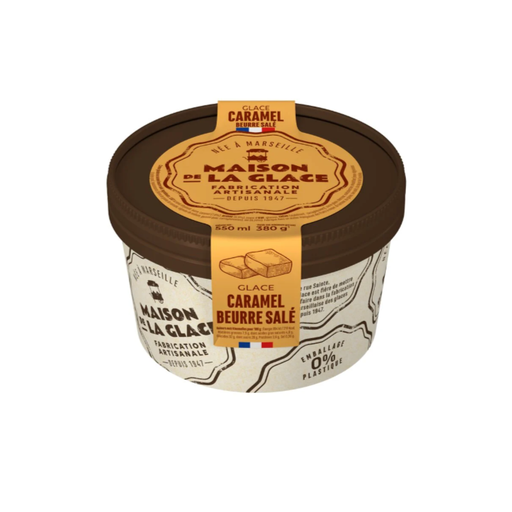 Image unavailable
This salted butter caramel tub is suited to a team that can serve ice cream by the scoop.
Set a portion size to work out the yield, and check the allergens and storage instructions on the packaging.
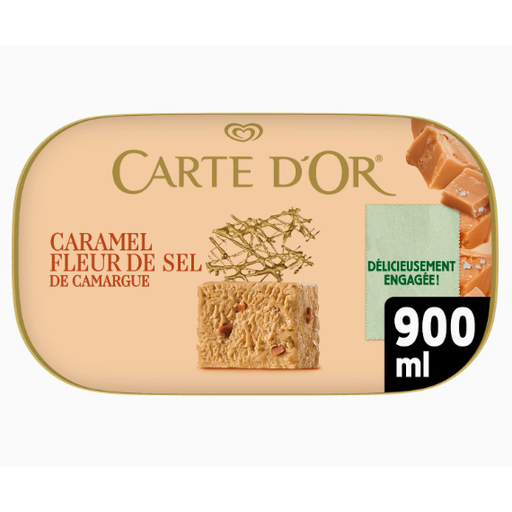 Image unavailable
This caramel and sea salt tub is suited to a service where your team plans to portion out the ice cream.
A 900 ml tub doesn’t tell you how many desserts it will serve. Decide on your portion size, and check the packaging for ingredients and storage and serving instructions.
Not necessarily: the yield depends on the portion size and number of diners. The E.Leclerc and Aldi catalogues include tubs of around 500 g, for example. Before choosing this format, plan how you’ll portion it and check that you can use the contents according to the storage instructions.
To plan your service, start with the stated number of servings, then check whether they match the portions you intend to serve. Weight is useful when comparing products, but it doesn’t determine the size of each slice on its own. The Auchan and Picard catalogues include desserts labelled as serving several people.
Keep the packaging or an up-to-date product sheet for the item you actually serve. If you offer food that isn’t pre-packed, information about substances or products that may cause allergies or intolerances must remain clearly linked to the relevant dessert, in line with the French provisions published by Légifrance.
Arrange delivery and storage so you can follow the temperature instructions for each product. The DGCCRF advises observing the maximum temperatures shown on the label, so check your freezer capacity before ordering and read the instructions for serving, too.