To quickly add some plant protein to your lunch, start by looking at nuts and peanuts, then compare the nutrition information for the portion you’ll take with you. Dried fruit and snack mixes can add variety, but they don’t necessarily offer the same protein benefits. On their own, none of these packs is enough to make your whole lunch ‘high in protein’.
Who are these options for?
Anyone putting together a quick lunch
If you take your lunch to work, a portion of nuts can add plant protein without needing any preparation on site. The French Agency for Food, Environmental and Occupational Health & Safety (Anses) lists peanuts, almonds and pistachios among the oilseeds that provide protein.
Anyone who checks for ‘high in protein’ claims after exercise
When choosing something to add to lunch after exercise, distinguish between the protein content per 100 g and the claim on the packaging. Under EU rules on nutrition claims, a product can only be described as ‘high in protein’ if at least 20% of its energy value comes from protein.
Anyone keeping an eye on what’s in the pack
When comparing nuts, dried fruit and snack mixes, check the salt, sugars, ingredients and allergens in the specific product. The French Directorate General for Competition Policy, Consumer Affairs and Fraud Control (DGCCRF) states that allergenic ingredients in prepacked foods must be highlighted.
What should you check before choosing?
First decide whether the pack is mainly there to add protein to your meal or to meet another priority, such as ingredients or pack size.
Nuts and peanuts
Worth considering: if you want to add plant protein to lunch, comparing the nutrition information for the product you choose.
Bear in mind: portion size matters too, and this addition alone doesn’t determine the nutritional make-up of your meal.
Mix with dried fruit
Worth considering: if you’d like a mix of textures in one pack.
Bear in mind: the proportion of dried fruit affects the nutritional values, so check the sugars and protein in particular.
Dried fruit on its own
Worth considering: for a sweet addition alongside lunch, rather than as a protein-focused choice.
Bear in mind: Manger Bouger notes that dried fruit, including dates and raisins, is naturally high in sugars.
| What to consider | What to check | Who is it for? |
|---|
| Protein content |
Compare protein per 100 g and per portion you’ll take with you; don’t assume a product is ‘high in protein’ based on the gram figure alone. |
After exercise, or when putting together a quick lunch, I want to know how much the pack contributes to the meal. Around 36% of consumers put protein content first. |
| Salt, sugars and portion size |
Check the salt and sugars on the label, then read the ingredients list if the pack contains a mix. |
For a break at work, I’d rather know what’s in my portion than rely on the name ‘dried fruit and nuts’; around 29% of consumers put knowing what’s in their food first. |
| Allergens and ingredients |
Check which allergens are highlighted and whether the specific pack carries any ‘may contain’ warnings. |
If I need to avoid an ingredient or take an allergy into account, the exact ingredients determine my choice. This is the top priority for around 21% of consumers. |
| Pack size and storage |
Choose a pack that suits how you’ll use it, and read the storage instructions for after opening. |
When preparing several packed lunches, I look for a size I can use and store according to the instructions. Around 14% of consumers put this first. |
Common misconceptions to avoid
-
Assuming all ‘dried fruit and nuts’ are equally good sources of protein
The term can refer to nuts or dried fruit. Anses lists nuts among plant-based sources of protein, while Manger Bouger highlights the naturally high sugar content of dried fruit.
If you want to add protein to your meal, compare the nutrition information and portion size of a specific product rather than choosing by category alone.
-
Assuming ‘no added salt’ means there are no allergens
These are two separate things. For example, the Carrefour Original product page for unsalted roasted almonds warns that the product may contain traces of peanuts and other nuts.
Check the ingredients, allergens and ‘may contain’ warnings on the pack you plan to take with you.
-
Buying a large pack without planning how to use it after opening
If you’re sharing a pack across several lunches, you’ll need to follow the instructions for that product. The recommended storage times vary between products.
Check the pack instructions and choose a size that suits how often you’ll eat it.
Brands and products to know
Carrefour
The retailer sells roasted almonds with no added salt under its Carrefour Original range.
- The product listed comes in a 200 g pack.
- Carrefour’s product page warns that it may contain traces of peanuts and other nuts.
Auchan
The retailer sells products including pistachios with no added salt, as well as mixes of nuts and dried fruit.
- The Auchan pistachios product page lists 25 g of protein and 0.01 g of salt per 100 g.
- A mix won’t necessarily have the same nutritional values as plain pistachios. Check its own nutrition information and allergens.
Lidl
Lidl describes Alesto as a range that includes nuts and dried fruit.
- The range includes products such as plain almonds and cashew nuts.
- Check the label on the pack you choose, as ingredients vary between products.
Aldi
An Aldi product page lists blanched almonds under the Trader Joe's brand.
- The listed pack size is 500 g, which may suit you if you plan to use it over several meals.
- Check the nutrition information and storage instructions on the pack you choose.
Monoprix
Monoprix sells several types of almonds, including unsalted and salted varieties.
- According to Monoprix Courses product pages, Daco Bello unsalted almonds contain 27 g of protein per 100 g, while Maître Prunille unsalted almonds contain 23 g per 100 g.
- The product page for Monoprix salted roasted almonds lists 0.64 g of salt per 100 g. Check the variety, not just the type of nut.
Nuts to consider on Joybuy
These two packs are options if you’d like to add nuts or peanuts to a work lunch. When choosing between them, consider whether you want an unsalted option and whether you’re happy to shell peanuts during your break.
 Image unavailable
BENENUTS Unsalted Cashew Nuts, 130 g
Worth considering if you want to add cashew nuts to lunch without any preparation. The pack contains 130 g. If allergens are a concern, check the ‘may contain’ warnings on the packaging.
View on Joybuy
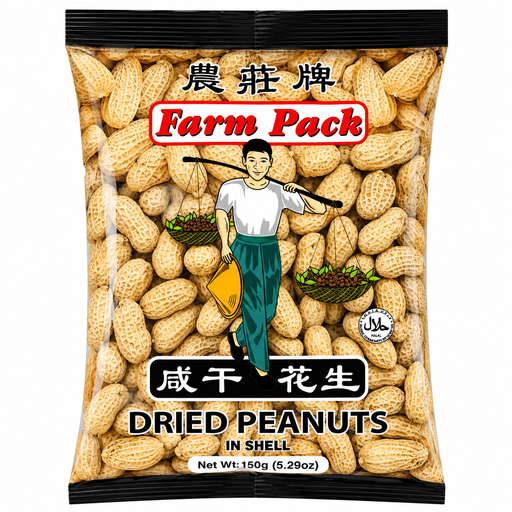 Image unavailable
Farm Pack Dried Peanuts, 300 g
Worth considering if you don’t mind shelling peanuts during your break. This product is described as salted, so check the salt content on the packaging if you’re looking to limit it.
View on Joybuy
Frequently asked questions
Is a pack of dried fruit and nuts enough for a high-protein lunch after exercise?
A pack of nuts can add plant protein to lunch, but it won’t determine the nutritional make-up of the whole meal on its own. If protein is your main priority, check how much is in the portion you’ll eat and what else you’re having for lunch.
What does ‘high in protein’ mean on packaging?
In the European Union, rules on nutrition claims reserve this wording for products where at least 20% of the energy value comes from protein. So a high number of grams of protein per 100 g isn’t, by itself, enough to show that the claim applies.
How do you check allergens in a pack to take with you?
Read the ingredients, check which allergens are highlighted and look for any ‘may contain’ warnings on the specific product. The DGCCRF states that allergenic ingredients must be highlighted on prepacked food labels. ‘No added salt’ does not tell you whether a product contains allergens.
How long can you keep an opened pack?
Follow the storage time and conditions on the packaging, as these vary between products. For example, the Auchan product page for 400 g POUCE pistachios says to consume within 5 days of opening, while the Monoprix product page for Maître Prunille almonds says 15 days.


