
Livraison le jour même ou le lendemain

Qualité garantie

Débloquez vos offres de bienvenue: Livraison GRATUITE | Jusqu'à -80 % | 30 jours d'essai gratuits à JoyPlus
Téléchargez l'application
A wooden wall shelf is much more than just a storage unit. It's a true decorative element that can transform a room, showcase your favourite items, and optimise previously unused space. However, the market is flooded with models making various promises, and it's easy to fall for the common pitfalls that lead to disappointment: a shelf that sags, a finish that deteriorates, or an installation that turns into a nightmare.
As the Head of Product Curation at Joybuy, my mission is to help you make an informed decision. Let's break down the mistakes to avoid and the criteria to prioritise to ensure you make the right choice.
To guarantee the longevity and safety of your installation, focus on a few key technical points.
The type of wood is the primary indicator of a shelf board's sturdiness.
Reliable information on load capacity is inseparable from the mounting system. For an industrial wall shelf combining wood and metal, the quality of the brackets is paramount.
Aesthetics are personal, but they are often linked to materials. A wood and metal shelf with visible black brackets will fit perfectly into an industrial or modern decor. For a warmer or Scandinavian vibe, a light wood board with discreet fixings will be more appropriate for a living room wall shelf.
Here are a few options selected based on our criteria for quality and functionality.
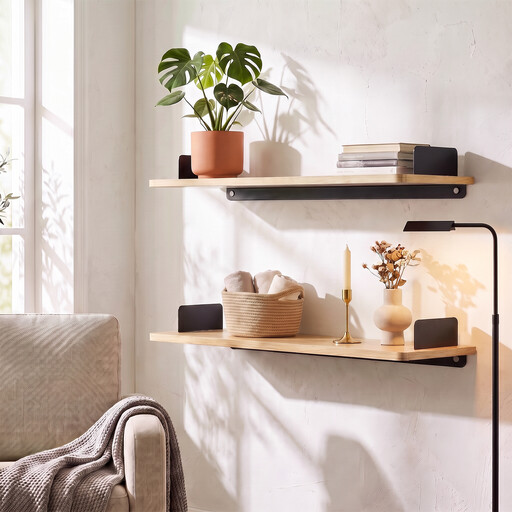
Why It's a Match: This profile seeks a solution that blends raw aesthetics with reliability. The combination of solid rubberwood and black aluminium alloy brackets perfectly matches the industrial style while ensuring high strength for displaying books or heavy objects.
It sidesteps the pitfall of low-grade materials by using FSC-certified solid rubberwood, which is much more resilient than particleboard. The load capacity is clearly stated at 20 kg (44 lbs) and is supported by robust metal brackets.
The combination of quality materials (solid wood and aluminium alloy) and the varnished finish make the shelf durable, water-resistant, and aesthetically pleasing. The product has also been recognised with design awards (Muse Design Award, French Design Award).
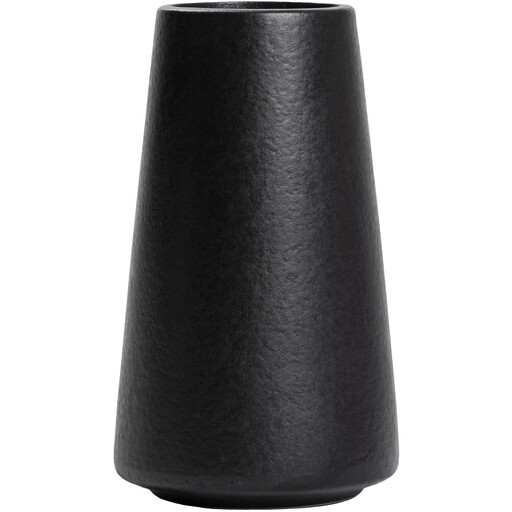
Why It's a Match: Once the wall shelf is chosen, it's time to decorate it. This profile looks for items with a refined design to complete their setup. This minimalist vase is the perfect accessory to place on a light or dark wood shelf to create an elegant focal point.
The pitfall with decorative objects is often their "plasticky" or low-quality appearance. This vase is made from high-quality white porcelain with a matte glaze, offering a texture and look far superior to cheap alternatives.
Its waterproof design allows it to hold fresh flowers, which is not always the case with purely decorative vases. Its clean silhouette adapts to many styles, from modern to bohemian.

Why It's a Match: For those seeking a very specific wall storage solution for the entryway, this key holder combines functionality with a decorative touch. It solves the problem of stray keys without requiring a large shelf.
Unlike flimsy plastic organisers, this model is made entirely of iron, guaranteeing excellent durability and strength. It won't warp or break with daily use.
It offers a two-in-one solution: functional storage for keys and a welcoming decorative element for an entryway or hallway. Its installation is simple and quick.
Industrial and modern styles often use black accents to create contrast. We have selected products for you that meet our quality standards and current trends.
Solid wood is milled directly from a tree. It is dense, very strong, and can be sanded and repaired. Particleboard is a composite of wood chips pressed and glued together. It is cheaper but also less durable, more susceptible to moisture, and tends to sag under a sustained load.
The stability depends on three things: the wall, the anchors, and the mounting rods.
There's no absolute rule, but a few ergonomic and aesthetic principles apply. Generally, the centre of your shelf arrangement should be at eye level, which is about 1.60?m (5'3") from the floor. If the shelf is placed above a sofa, leave at least 25-30?cm (10-12 inches) of space to avoid bumping your head. The key is to create a visual balance with the rest of the room's furniture.