
Livraison le jour même ou le lendemain

Qualité garantie

Débloquez vos offres de bienvenue: Livraison GRATUITE | Jusqu'à -80 % | 30 jours d'essai gratuits à JoyPlus
Téléchargez l'application
Wooden kitchen utensils bring a warm, authentic touch to any kitchen. Prized for their natural aesthetic and gentleness on non-stick coatings, they appeal to many home cooks. But beware, behind this rustic image lie pitfalls that can quickly turn a great deal into a costly disappointment. A handle that comes off after a few weeks, wood that splits after the first wash, or a varnish that flakes into your food?: these mishaps are all too common.
This guide is here to help you see things more clearly and spot the details that separate a durable utensil from a disposable gadget.
The market is flooded with options, but not all are created equal. Here are the three most common traps to be aware of to make the right choice.
Many inexpensive utensils are not made from solid wood. They are often made of composite wood or coated with a flashy varnish meant to imitate a high-quality finish. The problem?? This varnish almost always ends up flaking with heat and washing, risking contamination of your food. Similarly, poor-quality or improperly dried wood will soak up water, swell, and eventually split.
Our advice?: Opt for solid wood utensils (acacia, beech, olive, bamboo) with an oiled finish (using food-grade mineral oil). This treatment nourishes and protects the wood without ever flaking.
Utensils with wooden handles are popular, especially models that mix a wooden handle with a silicone or metal head. This is an excellent compromise, but the weak point is almost always at the joint. Low-grade glue or a poorly designed assembly will quickly fail under the stress of temperature changes and humidity, rendering the utensil useless. A wooden spatula head detaching mid-stir? Frustrating, and dangerous.
Our advice?: Carefully examine the joint between the handle and the head. Models where the head is securely embedded in the handle are generally more reliable. For 100% wood utensils, single-piece items (carved from one block of wood) are a guarantee of absolute durability.
One of the main arguments for wood is its gentleness on non-stick coatings. This is true, but a utensil with poorly finished edges or splinters can still scratch your pots and pans. More importantly, many users are unaware that almost all wooden utensils should never go in the dishwasher. Intense heat and prolonged soaking are their worst enemies.
Our advice?: Before buying, run your finger along the utensil's edges to check that they are perfectly smooth. And build good habits from the start?: hand wash with lukewarm water, dry immediately, and apply a light coat of food-grade oil from time to time to nourish the wood.
To choose utensils that will last for years, focus on these key points.
To help you see things more clearly, here are a few concrete examples suited to different profiles.
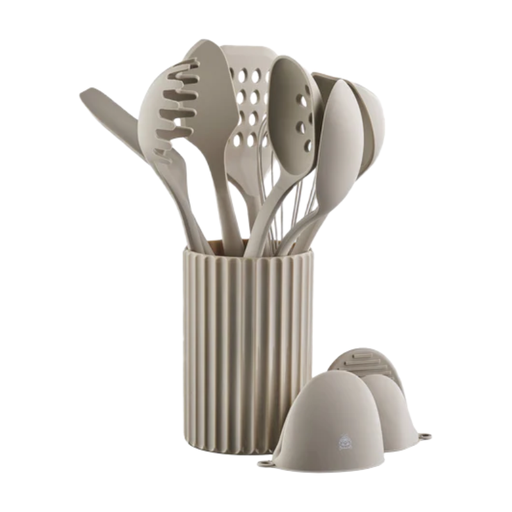
Why we chose it : This comprehensive set is perfect for equipping your kitchen from A to Z. It combines the warmth of wooden handles with the practicality of silicone heads, making it compatible with all types of cookware, including the most delicate non-stick surfaces.
The food-grade silicone heads are heat-resistant and protect your non-stick pans, eliminating the risk of scratches. The construction appears robust at the handle/head joint.
An 11-piece kit that covers all the essentials, from spatula to whisk, all with a cohesive and functional design.
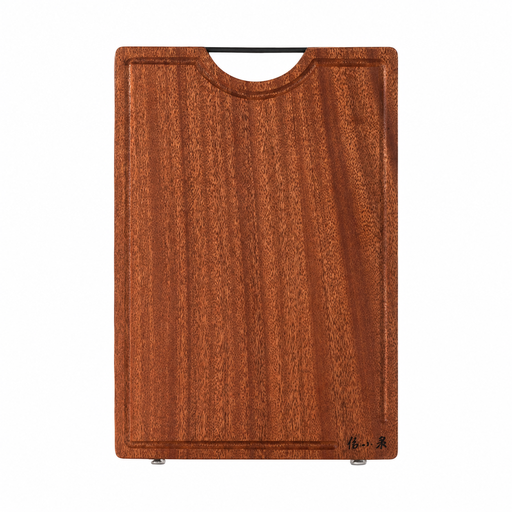
Why we chose it : A good cutting board is fundamental. This solid wood model provides a stable, durable, and large work surface for chopping vegetables, meat, and herbs without feeling cramped.
Carved from a single block of solid wood, it avoids the trap of composite or laminated bamboo boards that often split or delaminate with moisture. Its ultra-simple design is a guarantee of longevity.
A generous 400 x 280 mm surface of solid wood, combining robustness with respect for your knives' sharp edges.
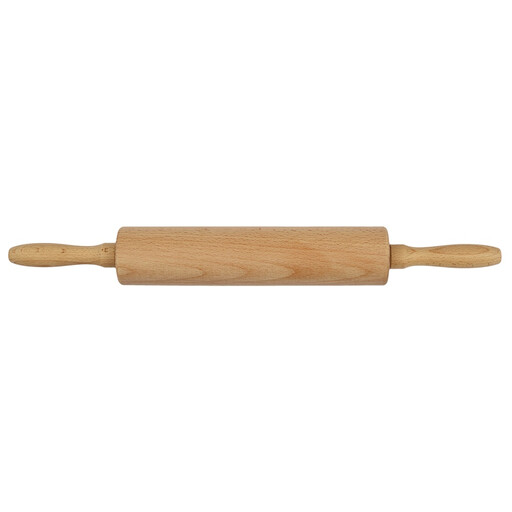
Why we chose it : For those who love getting hands-on with dough (for pies, cookies, or pizza), a good rolling pin is essential. This handleless cylindrical model, known as a "French rolling pin," is prized by bakers for the direct, precise control it offers.
Its single-piece construction eliminates the risk of handles breaking or becoming loose : a classic flaw in entry-level rolling pins. It's a simple tool, built to last.
The handleless design allows for uniform pressure and a better "feel" for the dough's thickness, delivering impressively precise results.
We have curated a complete selection of products that meet our quality criteria and current safety standards.
Maintenance is simple but absolutely crucial. Always wash them by hand with a soft sponge and a little soap, then dry them immediately with a cloth. Above all, never let them soak in the sink and never put them in the dishwasher. To nourish the wood and prevent it from drying out or cracking, apply a thin layer of food-grade mineral oil (or a neutral oil like grapeseed oil) once a month, or whenever the wood looks a bit dull.
Yes, as long as they are well-maintained. Wood has natural antibacterial properties. Several studies have even shown that bacteria survive for a shorter time on a healthy wooden surface than on plastic. The key is to clean and dry your utensils quickly after each use to prevent moisture from settling in.
Absolutely?! In fact, it's one of their greatest strengths. Wood is a soft material that won't scratch the delicate coatings of your pots and pans, unlike metal. This makes it the ideal choice for preserving the lifespan of your cookware. Just check that the spatula's edges are smooth and free of any splinters.