
当日/次日达

品质保障

开启新人专享福利: 全场免邮 | 低至 2 折 | 免费试用 30 天 JoyPlus 会员
下载 Joybuy
Wooden kitchen accessories have plenty going for them: a warm appearance, a comfortable grip and a style that pairs easily with natural décor. However, looks alone do not guarantee that a product will suit your needs. A board that is too thin may warp, a poorly maintained utensil can crack, and a set marketed as eco-friendly may require far more care than expected.
Here are the criteria to consider before choosing a wooden chopping board, utensils, a serving tray or more responsible table accessories.
The wood grain and natural finishes immediately create an impression of quality. However, they do not tell you anything about thickness, stability or resistance to moisture. For a chopping board, always check the dimensions and thickness. A piece measuring 2 cm thick, such as some oak boards, will be much more stable than a thin model intended for occasional use.
Bamboo is often appealing because of its uniform appearance and hardness. However, it remains sensitive to standing water and changes in temperature. Most wooden or bamboo boards should be washed by hand and dried straight away.
The dishwasher is one of the biggest enemies of wooden items. Prolonged exposure to heat and moisture can cause cracking, warping or the fibres to come apart. Even when a product is advertised as resistant, take the time to read its care instructions.
Hand washing, rapid drying and the occasional application of a food-safe mineral oil can help preserve the wood. This is particularly important for chopping boards, reusable bamboo cutlery and utensils with wooden handles.
A chopping-board set or appetiser serving set may seem like a good choice, but its usefulness depends on what it includes. Four small boards will not necessarily replace a large preparation surface. Similarly, a bamboo tray supplied with glass bowls will be perfect for serving, but not for chopping food.
Before placing your order, check:
Solid wood, such as oak, acacia or mango wood, has a unique appearance: each piece features its own variations in grain. FSC-certified oak may suit people who want documented information about the responsible sourcing of the wood, provided you check the certification stated in the product listing.
A bamboo chopping board is often lightweight and practical for everyday preparation. It can also be used to present bread, cheese or small portions. However, it requires care similar to wood: avoid prolonged soaking and dry it immediately after washing.
Wood-and-glass or wood-and-silicone combinations are designed for different uses. A bamboo and glass appetiser set makes presenting and cleaning the bowls easier, while utensils combining wood and silicone can help protect non-stick coatings, provided the manufacturer confirms that they are compatible.
A large board gives you more room to chop vegetables or prepare several ingredients at once. However, it takes up more space in the sink, cupboard or on the worktop. In a small kitchen, a compact set with a stand can make storage easier.
Length also matters when serving. A 30 cm wooden fork provides useful reach for a large salad bowl or deep serving dish. By contrast, 16 to 17 cm bamboo knives are easier to slip into a bag for a picnic, lunch at work or an event.
For products intended for preparation or serving, look for the wording suitable for food contact in the product description. This does not remove the need to follow the manufacturer’s recommendations.
Wood is generally not designed to be left over a flame, placed in the oven or exposed to a heat source for long periods. A wooden pepper mill, for example, should be wiped dry and must not be immersed in water. The glass bowls in an appetiser set may sometimes be dishwasher- or microwave-safe, but the bamboo tray supplied with them may not be suitable for either use.
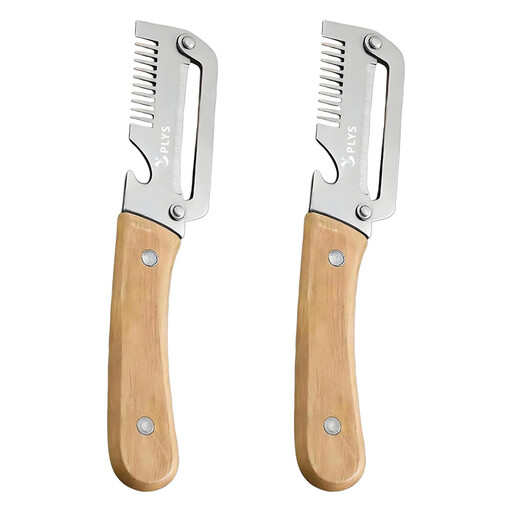
Why this choice suits this profile : This compact duo is ideal for anyone setting up their first kitchen or looking for a versatile tool for fruit, vegetables, spring onions and ginger.
With an advertised length of around 19 cm and a multifunctional design, it helps avoid building up a collection of small tools. However, its stainless steel blade should be rinsed and dried after every use.
2-piece set, sanded wooden handle, stainless steel blade and integrated bottle opener.
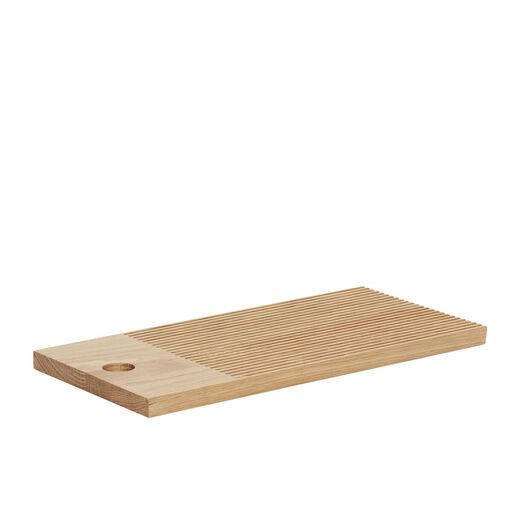
Why this choice suits this profile : Measuring 20 × 40 × 2 cm, this board looks at home on a well-presented table, whether you are chopping ingredients or serving cheese and charcuterie.
The product listing specifies that it is made from FSC-certified solid oak and is not dishwasher-safe. The usage requirements are therefore clearly set out.
FSC solid oak, versatile rectangular format and material stated as suitable for food contact.

Why this choice suits this profile : The three sizes and integrated handles are suitable for families, preparing several ingredients or serving food at the table.
The juice grooves and stated dimensions make each use clearer. However, hand washing is still essential.
Set of 3 sizes, integrated handles and grooves designed to retain liquids.
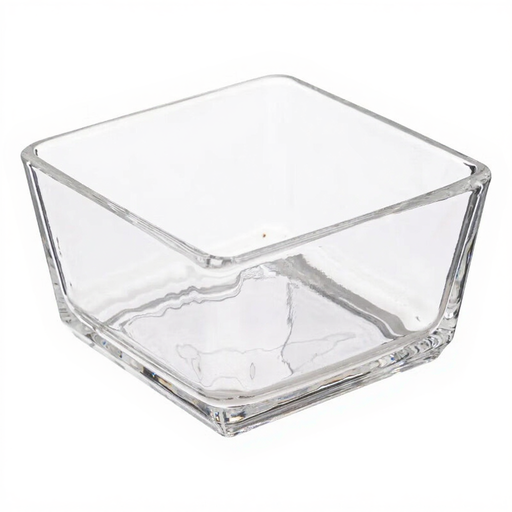
Why this choice suits this profile : With its tray and six glass bowls, this set is ideal for family appetisers, buffets, entertaining and serving small portions.
The exact contents and tray dimensions are stated. The bowls are dishwasher-safe, but the tray should be kept away from standing water and soaking.
A bamboo tray and six transparent bowls, compatible with the dishwasher and microwave.
We have put together a comprehensive, real-time updated selection of products that meet these demanding criteria and European safety regulations.
To help your wooden kitchen accessories last longer, a simple routine is all you need:
A wooden salad bowl, wooden serving tray or wooden pepper mill should also be protected from excessive moisture. For reusable bamboo cutlery, check its condition before every use and replace it if it develops splinters.
Usually not. Hand washing is generally recommended for wood and bamboo. Some glass or ceramic components in a mixed set may be dishwasher-safe, but the wooden tray will usually need to be cleaned separately.
Solid wood has a natural grain and properties that vary depending on the type of wood used. Bamboo generally provides an even surface while keeping weight to a minimum. In both cases, size, thickness, stability and care are more important than appearance alone.
There is no universal lifespan. Frequency of use, the type of knife, exposure to water and maintenance all play a part. Replace your board when it is deeply scored, cracked, warped or covered with persistent splinters.