
Livraison le jour même ou le lendemain

Qualité garantie

Débloquez vos offres de bienvenue: Livraison GRATUITE | Jusqu'à -80 % | 30 jours d'essai gratuits à JoyPlus
Téléchargez l'application
Wooden home accessories instantly add a warm touch to any room, but their natural look alone isn't enough to guarantee a smart purchase. Whether you're shopping for the kitchen, hallway, bedroom or living room, the type of wood you choose should depend on how you'll use it, the level of humidity it will face, and the weight it needs to support.
Before you order wooden kitchen utensils, coat hangers or a storage unit, three common mistakes tend to crop up:
To make the right choice, it's best to rely on concrete criteria rather than vague promises of durability or style.
Not all woods behave the same way. Acacia is prized for its strength and distinctive grain, while bamboo is usually made from glued strips. Birch works well for small clothes pegs, but it still needs protection from prolonged exposure to moisture.
For an accessory that will come into contact with food, check the manufacturer's details about the finish and intended use. A note like "hand wash only" isn't trivial: soaking, high temperatures or the dishwasher can speed up the appearance of cracks and warping.
A forest certification such as FSC gives you reliable information about the responsible origin of the certified wood. However, it doesn't mean the entire product is made from recycled materials or that it requires no upkeep.
The dimensions need to suit your home and how you plan to use the product.
The weight capacity should be treated as a usage limit, not just a marketing point. It also depends on how the weight is distributed and the overall stability of the piece.
Wood prefers dry environments and careful handling. In the kitchen, dry utensils and bamboo chopping boards immediately after washing them. When the manufacturer recommends it, you can regularly apply a mineral oil that's safe for food contact.
Avoid leaving a wooden fork in a pan on a heat source, near a flame or inside an oven. For a wooden pepper mill, a dry cloth is usually enough: immersion risks damaging both the wood and the mechanism.
If you have young children, keep small pegs and detachable parts out of their reach. Always check the warnings and instructions that come with the product.
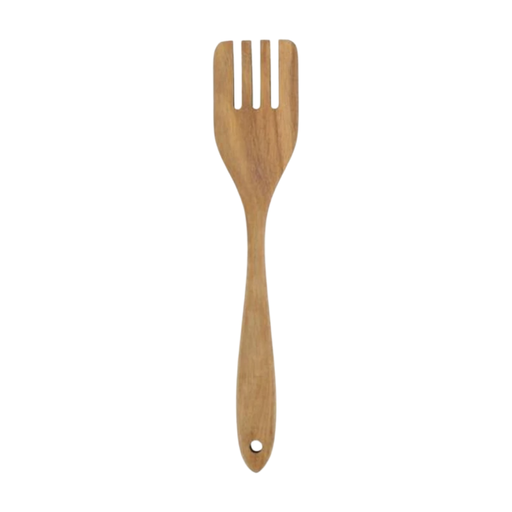
Why this choice suits this profile: This serving fork lets you equip yourself simply with a versatile accessory for the kitchen and dining table, without needing to buy multiple items.
Its stated length of 30 cm is clearly indicated, and its use is defined: serving, mixing and light handling, with no promise of direct use over a flame.
FSC-certified acacia according to the product sheet, rounded handle, and hand wash followed by immediate drying.
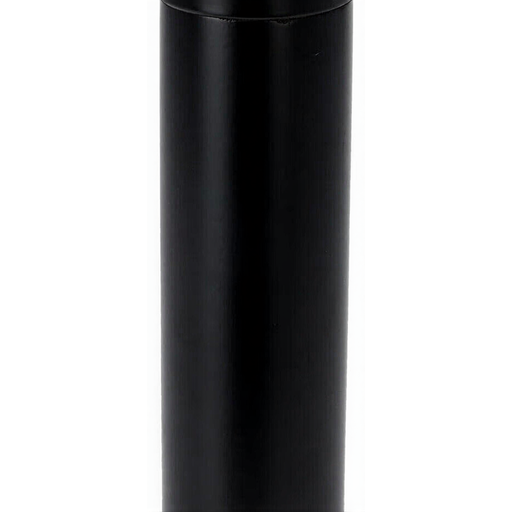
Why this choice suits this profile: Its lotus wood body brings a natural, elegant touch to the table, while remaining suitable for everyday culinary use.
The ceramic mechanism and adjustment knob are detailed separately, so you're not judging the mill by its appearance alone.
Adjustable grind from fine to coarse, ceramic mechanism, and compatibility with several dried spices.

Why this choice suits this profile: This set of three boards is ideal for households that regularly prepare vegetables, meat, cheese or dishes to serve.
The three sizes, juice grooves and handles are clearly stated. Hand washing is still essential to minimise warping.
Set of three sizes, integrated handles, grooves to catch liquids, and cleaning with soapy water followed by thorough drying.
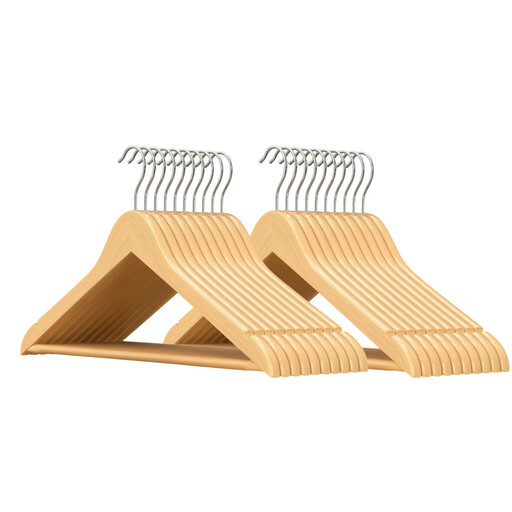
Why this choice suits this profile: A set of 20 hangers lets you quickly organise a family wardrobe or a new clothes rail.
The 44.5 cm width, shoulder notches and stated static load of 5 kg per hanger provide concrete reference points.
Maple wood, 360° swivel hooks and a non-slip bar for trousers, jackets and coats.
Wash them by hand in warm water with a mild detergent, then dry them immediately. Avoid the dishwasher and prolonged soaking, unless the manufacturer explicitly allows it. When recommended, bamboo chopping boards can be treated with a food-safe oil.
It all depends on the material, the finish, the ambient humidity and how often you use it. A hanger kept in a dry room and used within its weight limit can stay functional for many years. On the other hand, a clothes peg left out in the rain or a utensil regularly submerged is likely to crack much sooner.
The term "sustainable" deserves a closer look. Wood can be a good option if it's well maintained and used for a long time, but its origin, finish, repairability and end of life also matter. A certification like FSC, when explicitly stated, provides verifiable information about the management of the certified resource.