
Livraison le jour même ou le lendemain

Qualité garantie

Débloquez vos offres de bienvenue: Livraison GRATUITE | Jusqu'à -80 % | 30 jours d'essai gratuits à JoyPlus
Téléchargez l'application
Wooden decor brings a touch of warmth and authenticity to our homes that nothing else can replace. Whether it's an imposing piece of furniture or a simple object, this natural material instantly transforms a room's atmosphere. However, this popularity comes with its share of marketing traps and products of wildly inconsistent quality. Before investing, it's crucial to know how to decipher labels to make an informed and, above all, lasting choice.
This guide is here to help you avoid the pitfalls and choose pieces that perfectly blend aesthetics with functionality.
The market is flooded with options, but not all are created equal. Here are the most common pitfalls that could make you regret your purchase.
To make the right choice, focus on a few technical parameters that speak volumes about a product's quality and longevity.
Understanding the nature of the material is the first step to a successful purchase.
The finish doesn't just influence the look; it also dictates the maintenance of your item.
For a piece of wooden storage or seating, two pieces of information are crucial: the exact dimensions and the maximum supported load. A reputable manufacturer will always provide this data. Check that the dimensions fit your space and that the load capacity is suitable for the intended use to avoid any unpleasant surprises.
To illustrate these criteria in practice, here is our selection of products suited to different needs and lifestyles.
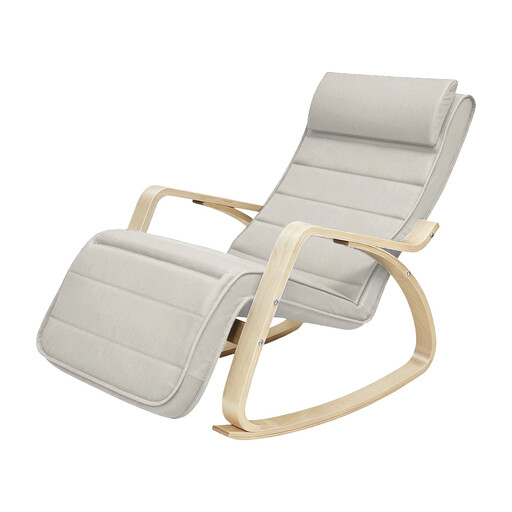
Why it's a great choice: Ideal for those looking to create a cosy reading nook. This chair combines the clean aesthetic of Scandinavian design with a construction focused on relaxation.
The frame is made of genuine birch wood, not an imitation. The product sheet mentions a metal frame and a maximum load of 150 kg, which rules out the risk of a fragile design.
The 5-position adjustable footrest and removable headrest offer customisable comfort, a rare functional advantage for this type of product.
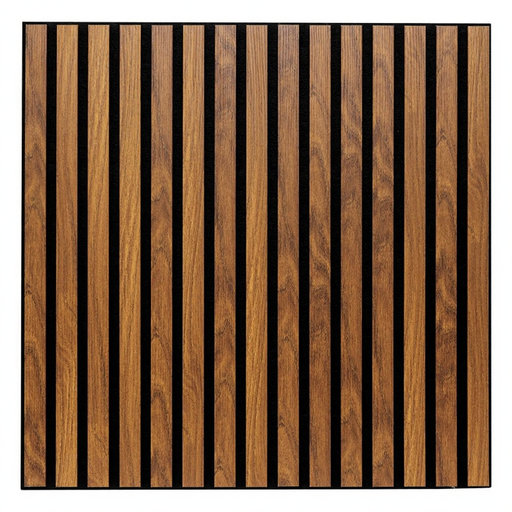
Why it's a great choice: Perfect for those who want to turn a plain wall into an architectural focal point without undertaking major renovations. It adds texture and depth to a room.
The description is transparent: it's MDF with a wood-effect finish. The product is sold for its intended aesthetic, without falling into the trap of a low-end imitation.
Its generous dimensions (240 x 60 cm) create a strong and immediate visual impact, dressing an entire wall with a single element.
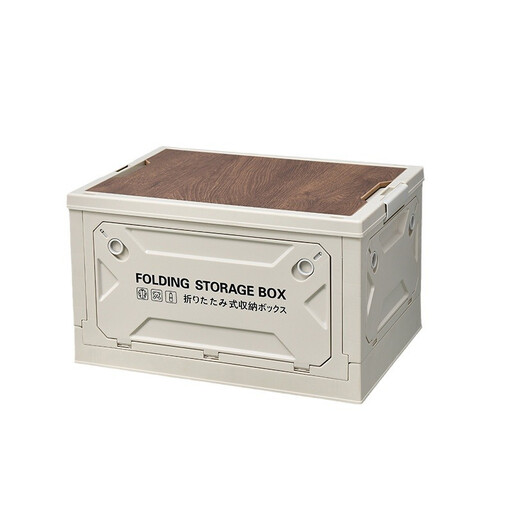
Why it's a great choice: For those who love smart, modular storage solutions. This basket is as useful at home as it is for a picnic or in the boot of a car.
The materials (PP + MDF) are clearly stated, positioning the product as a practical solution rather than a luxury solid wood item. The design is focused on functionality, not on misleading aesthetic promises.
Its dual functionality is a real plus: the wooden lid transforms into a small side table, and the basket is foldable for maximum space-saving when not in use.
We have compiled a complete list of products that meet our criteria for quality and transparency.
1. How do I maintain wooden furniture to make it last? Maintenance depends on the finish. For varnished furniture, a simple soft, damp cloth is sufficient. For oiled wood, it is advisable to apply a new coat of oil once or twice a year to nourish it and reinforce its protection. Raw wood, on the other hand, should be dusted and kept away from all moisture.
2. What is the difference between solid wood and MDF with a wood veneer? Solid wood is a single piece of wood, which makes it more robust, heavier, and repairable (it can be sanded down if scratched). MDF with a veneer is a fibreboard panel onto which a thin slice of real wood is glued. It is more stable (less likely to warp) and often more affordable, but its surface is more fragile: an impact can damage the veneer irreversibly.
3. Can any wooden object be used in a kitchen or bathroom? Absolutely not; you must be vigilant. In humid environments, opt for wood species that are naturally resistant to moisture (like teak or bamboo) or woods treated with an effective water-repellent finish. For a wooden decorative object that comes into contact with food (cutting board, spatula, etc.), ensure the finish is certified as food-safe (for example, mineral oil).