
Livraison le jour même ou le lendemain

Qualité garantie

Débloquez vos offres de bienvenue: Livraison GRATUITE | Jusqu'à -80 % | 30 jours d'essai gratuits à JoyPlus
Téléchargez l'application
Helping your child take their first steps is a precious moment. The wooden baby walker is the obvious choice: it's a durable, beautiful, and stimulating toy. However, the market is flooded with models that, behind a pretty exterior, hide flaws that can turn this wonderful purchase into a regret. As a product expert at Joybuy, my mission is to help you see things more clearly and identify the criteria that truly make a difference. Here's how to avoid the most common pitfalls.
The excitement of buying the first gift for a 1-year-old can sometimes make you overlook the essentials. Some walkers, while very appealing on paper, reveal their design flaws once they are in your child's hands.
For a successful purchase, focus on a few objective technical points. These are the true guarantees of the quality and safety of a baby walking aid.
The walker's structure is the number one criterion. Opt for models with a wide base, whether rectangular or triangular, to ensure perfect stability. Check the quality of the materials (solid wood or high-density MDF are good indicators) and make sure all edges are rounded to prevent bumps and scrapes in case of a fall. The use of non-toxic, water-based paints is a non-negotiable prerequisite for a walker for a 1-year-old.
Quality wheels make all the difference. The ideal choice? A model equipped with rubber-coated wheels. This coating offers three major advantages:
Some walkers go a step further by offering a system to adjust the wheel resistance, allowing you to adapt the speed to your child's progress. This is a real bonus for securing those very first steps.
A good baby walker is also a mini play station. The integrated activities stimulate your child's fine motor skills, hand-eye coordination, and logic. Look for a wide variety of elements:
Every family has different needs. Here are a few options that cater to distinct user profiles, keeping our safety and functionality criteria in mind.
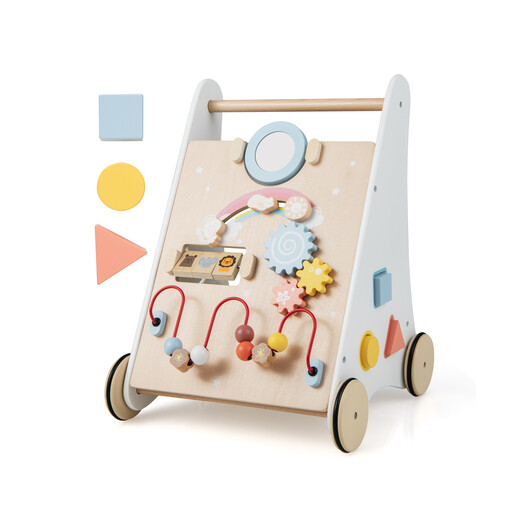
Why we chose it: This model is the perfect combination of a safe walking aid and a true developmental centre. It's designed to captivate the child long after they've learned to walk.
Its 7-in-1 design sidesteps the trap of the quickly forgotten toy. The rubber-coated wheels protect floors and ensure excellent grip, solving the problem of runaway wheels.
Made from quality wood with rounded corners for maximum safety. Very practical storage basket at the back.
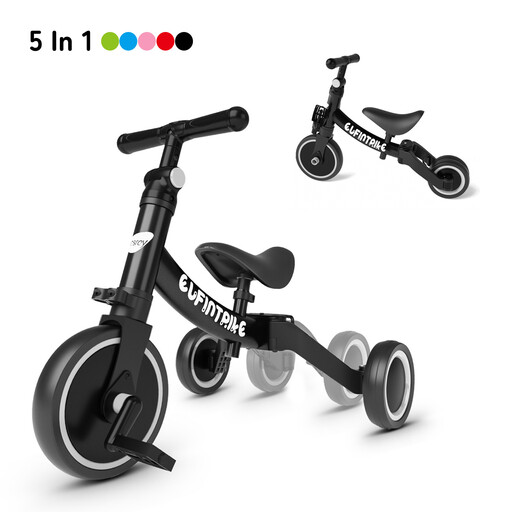
Why we chose it: More than just a walker, this product evolves with the child, transforming from a balance bike into a tricycle. An excellent long-term investment for gross motor skills.
It bypasses the trap of rapid obsolescence by offering multiple play modes for children aged 1 to 4. Its stability is guaranteed by a three or four-wheel design depending on the chosen mode.
A 2-in-1 (or more) product that grows with the child. Ideal for developing balance and coordination over several years.
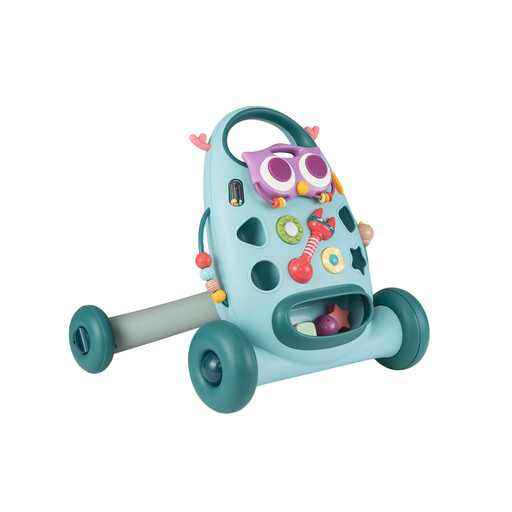
Why we chose it: For parents seeking richer sensory stimulation, this plastic model incorporates music and lights. Its activity panel is even removable for floor play.
It perfectly addresses the "boring toy" pitfall with its numerous interactive functions. Better yet, it includes adjustable speed control on the rear wheels—the perfect solution to the problem of overly fast wheels.
Removable play panel, adjustable wheel speed, and a triangular structure for stability. Made from guaranteed safe PP and ABS materials.
Explore our full selection of products that meet our strictest safety and quality standards.
The recommended age is around 12 months, when the child begins to pull themselves up on furniture and shows a desire to walk. More than age, it's the developmental stage that matters: the walker is an aid, not a tool to force learning.
Absolutely not, unlike seated walkers, which are discouraged by many paediatricians. With a wooden baby push walker, the child stands upright, supports their own weight, and controls the movement. This active posture is much more natural and beneficial. For optimal safety, choose a model with adjustable wheel resistance.
Nothing could be simpler. A wipe with a slightly damp cloth is all it takes to clean it. Just avoid harsh detergents that could damage the wood or paint. Also, remember to periodically check that the screws are tight and the entire structure is solid to ensure complete safety.