
Livraison le jour même ou le lendemain

Qualité garantie

Débloquez vos offres de bienvenue: Livraison GRATUITE | Jusqu'à -80 % | 30 jours d'essai gratuits à JoyPlus
Téléchargez l'application
A wooden floor can lose its shine for many reasons: abrasive dust, pet hair, excess water, unsuitable products or applying wax too often. To get wood floor care right, start by identifying its finish — lacquered, varnished, oiled, waxed or laminate — before choosing the appropriate method and products.
Certain mistakes are particularly common among homeowners:
A lacquered or varnished wooden floor can generally be cleaned with a slightly damp microfibre mop, provided you never leave puddles behind. A waxed floor requires more care: an overly aggressive cleaner could remove some of its protective coating. Wood floor wipes should also be used according to the instructions on the packaging, particularly on unsealed surfaces.
To clean a wooden floor, use a reasonable amount of product and dry the surface if necessary. Carolin wood floor cleaner with linseed oil extracts, sold in a 1-litre format, is presented as suitable for modern wooden floors and washable wood surfaces. Its instructions recommend diluting it according to requirements, applying it with a mop or cloth, then allowing it to air-dry without rinsing. However, check the label and make sure it is compatible with your floor’s finish.
Sand and pet hair can act like sandpaper on your floor. A wood floor vacuum cleaner should therefore slide easily beneath furniture and along skirting boards, while using a head that is gentle enough not to scratch the surface.
In particular, check:
Manufacturers’ stated power figures should be interpreted with caution: on their own, they say nothing about ease of use or actual performance on your type of flooring.
Wood floor wax is mainly suitable for waxed surfaces and compatible wooden furniture. Apply it in a thin layer and then polish it if required. A wood floor polish or protective emulsion, on the other hand, leaves a film on the surface. It is essential to check that the product is intended for varnished, lacquered, laminate or waxed wooden floors.
To fill a crack, a perimeter joint or a joint between a skirting board and a wall, wood filler is often more suitable than wax. Renovating a wooden floor does not necessarily mean covering the entire surface: when the substrate is still sound, a localised repair may be sufficient.
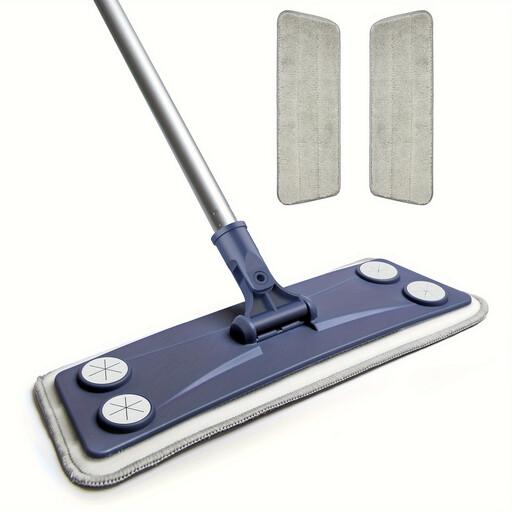
Why this choice suits this profile : This tool is suitable for homes that need regular care without building up a collection of household products. Its swivel head makes it easier to clean around furniture, while its two washable pads reduce the need for disposable consumables.
The reusable pads mean you do not have to rely solely on wood floor wipes. The product details recommend washing them in warm water with a mild detergent.
Adjustable handle from 89 to 163 cm, 360-degree swivel head and a width of approximately 60 cm.
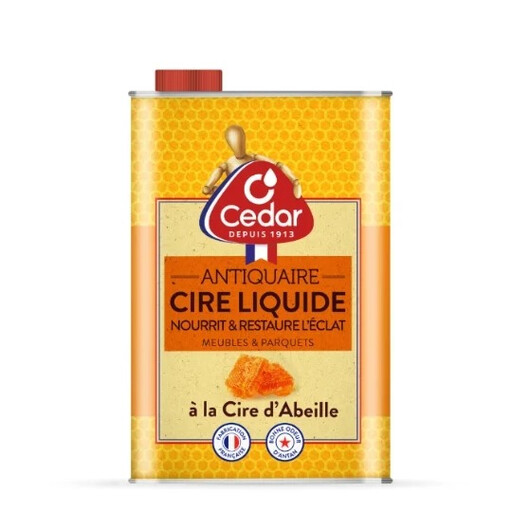
Why this choice suits this profile : This liquid wax is intended for people who care for antique furniture or an already waxed wooden floor and want to preserve a traditional finish.
The product details specify that it is intended for furniture and waxed wooden floors. This indication helps prevent it from being applied to an incompatible finish.
700 ml capacity, advertised beeswax content and application in small quantities with a soft cloth, followed by polishing.
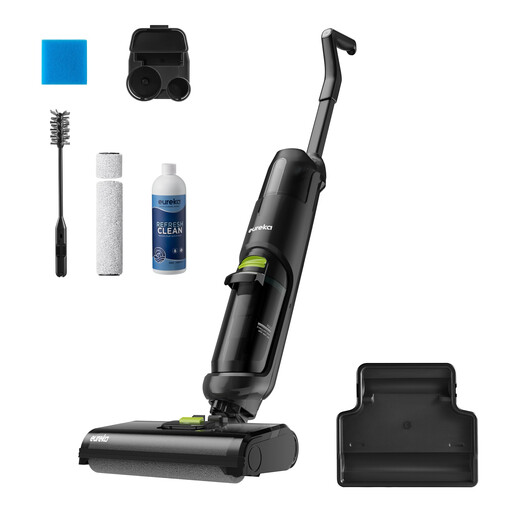
Why this choice suits this profile : It may be suitable for households with pets or large areas of sealed wooden flooring, where dry dirt and liquids need to be removed quickly.
Its two tanks keep clean water separate from dirty water. However, make sure the wooden floor is properly sealed and use the recommended cleaning solution.
Self-cleaning function, advertised runtime of up to 30 minutes and an adjustable head for reaching difficult areas.
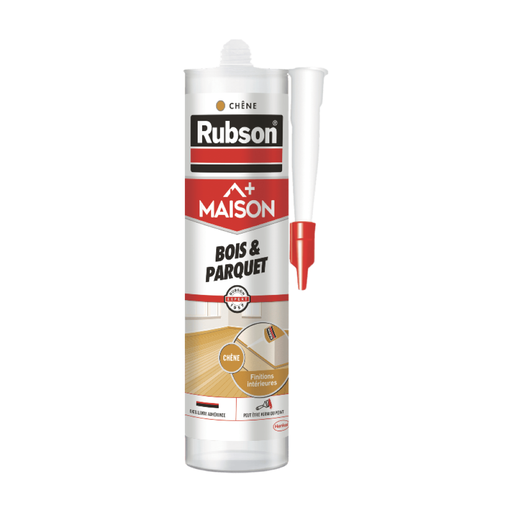
Why this choice suits this profile : This sealant is suitable for cracks, joints between skirting boards and walls, and certain joints between wood and masonry indoors.
It addresses a specific joint-sealing need rather than simply seeking a shinier finish. Surfaces must be clean, dry and free from grease before application.
Acrylic formula, oak shade and advertised compatibility with wood, concrete, brick, plaster and stone indoors.
We have put together a comprehensive, real-time updated selection of products that meet these demanding criteria and European safety standards.
To limit wear and tear, adopt a simple routine:
Products containing solvents, flammable waxes and corrosive cleaners require careful attention to the label, good ventilation and storage out of the reach of children and pets.
No. Even on a lacquered or varnished wooden floor, a soaking-wet mop increases the risk of seepage and marks. Use a well-wrung microfibre cloth and allow the room to dry properly.
It depends on the finish, how often the room is used and the look you want to achieve. Applying products too frequently can lead to a build-up on the surface. Follow the instructions and test the product in an inconspicuous area before treating the entire room.
Regular vacuuming removes pet hair and small grains that could scratch the floor. If there is wet dirt, deal with it promptly using a product compatible with the finish. A wet and dry vacuum cleaner should only be used on flooring that is sufficiently protected against moisture.