
Livraison le jour même ou le lendemain

Qualité garantie

Débloquez vos offres de bienvenue: Livraison GRATUITE | Jusqu'à -80 % | 30 jours d'essai gratuits à JoyPlus
Téléchargez l'application
We all dream of a warm, natural interior. Wood, with its rich tones and texture, is the undisputed star. The problem? Solid wood furniture is expensive and often requires demanding maintenance. This is where wood-effect furniture shines as a stylish and accessible alternative.
But how do you navigate the jungle of budget-friendly furniture? Tempting photos often hide disappointing products. To help you see things more clearly, we've broken down the 3?pitfalls to avoid and the essential criteria to check before you pull out your credit card.
To avoid these disappointments, a few technical checks are all you need. Far from marketing jargon, these concrete indicators will help you judge a piece of furniture's durability and suitability.
The core of the furniture is usually made of particleboard or MDF (Medium-Density Fibreboard), with the latter being denser and more uniform. But the real secret to a long-lasting faux wood decoration is its coating.
Opt for furniture with a melamine finish. This is a protective layer heat-fused onto the panel, making it far more resistant to scratches, wear, and moisture than a simple glued-on decorative foil. It's your guarantee of a wood look that will stand the test of time.
A well-designed piece of furniture includes reinforcements to ensure its rigidity. Look for the presence of crossbars, the thickness of the panels (especially for shelves and tabletops), and the quality of the legs.
An objective and essential criterion is the maximum supported load, particularly for a Scandinavian wall shelf or a bookcase. This information, when provided, is a sign of transparency. It helps you choose a product suited to your needs, preventing overloading and premature warping.
Think about its practical use. Does this modern coffee table just need to be decorative, or should it also offer storage? Do these wall shelves need to fit into a corner or allow for an asymmetrical composition? Could a decorative wall panel dress up a wall to create an original headboard? Take the time to measure your room and list your needs to find furniture that will integrate perfectly.
To illustrate these principles, here are a few models that tick all the boxes, catering to a variety of profiles and needs.
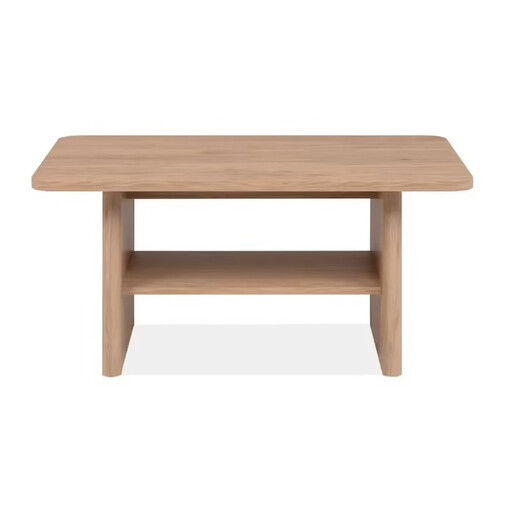
Why we chose it: Ideal as a centrepiece in a Scandinavian or contemporary living room. It combines a clean aesthetic with functionality thanks to its storage niche, perfect for remote controls and magazines.
Its melamine finish resists daily wear and tear. The lower shelf reinforces the structure and prevents any risk of instability.
The rounded edges soften the design and provide extra safety, a significant plus for families with children.
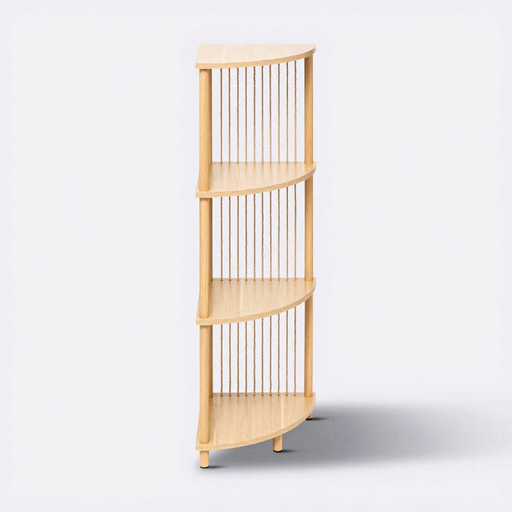
Why we chose it: Perfect for utilising dead corners, which are often wasted in studios or small rooms. It offers a vertical storage solution without encroaching on living space.
The maximum load of 10 kg per shelf is clearly stated, which prevents any risk of overloading and sagging. The steel legs ensure a solid base.
Its corner design is a smart solution for maximising storage with a minimal footprint. Assembly is estimated at 15 minutes for one person.
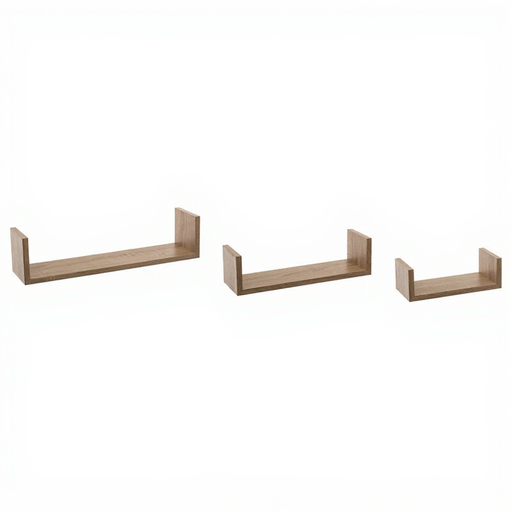
Why we chose it: For those who love to personalise their decor. This set of three different-sized shelves allows you to create a unique wall composition to display objects, plants, or paperbacks.
The invisible mounting system, if installed correctly, ensures a secure hold. The clear load limit of 3 kg per shelf prevents accidents and lets you know what to expect.
The freedom of arrangement and the "floating" look without visible brackets offer a modern, clean result that's easy to integrate into any room.
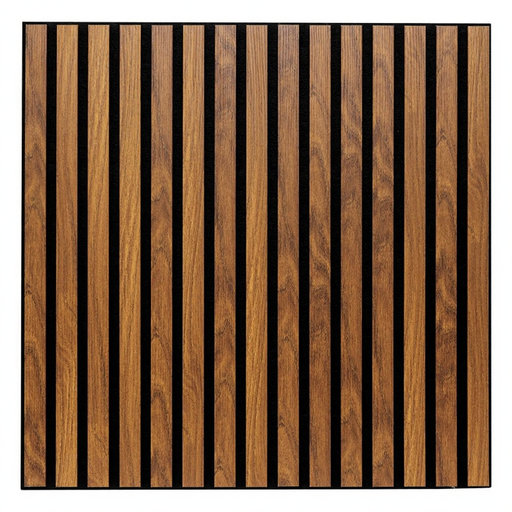
Why we chose it: For those who want to create a strong visual impact and add texture to their interior. This panel transforms a plain wall into an architectural focal point, ideal as a headboard or behind a sofa.
The warning about its weight (12.2 kg) and the recommendation for professional installation is a sign of transparency that helps avoid unpleasant surprises during assembly.
Its large vertical format (240 x 60 cm) creates an impression of height and sophistication, adding immediate character to the room.
We have selected a full range of products that meet our quality criteria and safety standards.
The lifespan depends primarily on the quality of the materials. An MDF piece with a melamine finish, if used and maintained correctly, can retain its appearance and sturdiness for years. Just avoid placing it in a very humid area (like an unventilated bathroom) and respect the indicated maximum load capacities.
It couldn't be simpler. A soft, slightly damp cloth is all you need to dust it and clean up spills. Never use abrasive products, scouring powders, or scratchy sponges, as they could permanently scratch and damage the melamine finish. For stubborn stains, a little soapy water on the cloth will do the trick, followed by drying with a dry cloth.
The vast majority of this furniture is designed for self-assembly. Reputable manufacturers provide clear, often illustrated, instructions and all the necessary hardware. To get an idea, check if the product page indicates an estimated assembly time and the number of people recommended. This is a good indicator of the assembly's complexity.