
Same-day & Next-day Delivery

Quality Guaranteed

Unlock Your Welcome Offers: FREE Delivery | Up to 80% OFF | Free 30-day JoyPlus trial
Download the APP
Finding the right women's waterproof jacket can quickly become a headache. Between the technical jargon, marketing promises, and a jungle of models, it's easy to get lost and regret your purchase. A jacket that leaks in the first downpour or turns into a sauna after a ten-minute walk? Useless.
To avoid falling into these traps, let's review the common mistakes that prove costly and end up leaving you (literally) out in the rain.
To make an informed choice, focus on a few objective technical specifications. They are the true indicator of a jacket's performance, far more so than any marketing slogans.
A fabric's waterproofness is measured in Schmerber or millimetres (mm). This rating represents the height of a water column the fabric can withstand before water penetrates it.
The detail that changes everything: Check that the jacket has taped seams (or heat-sealed seams). Without them, water will seep through the stitching, even if the main fabric is highly waterproof.
A garment's ability to wick away sweat is measured by its MVTR (Moisture Vapour Transmission Rate), expressed in g/m?/24h. The higher the number, the more breathable the jacket.
A lightweight, breathable jacket is therefore a winning combination for comfort. Some jackets also include underarm ventilation zips (pit zips) for targeted and effective airflow.
Beyond the numbers, the overall design determines your jacket's effectiveness. Remember to check:
Rather than searching for the "perfect" jacket, it's better to find the one that truly matches your use case. Here is our selection, designed for different profiles.
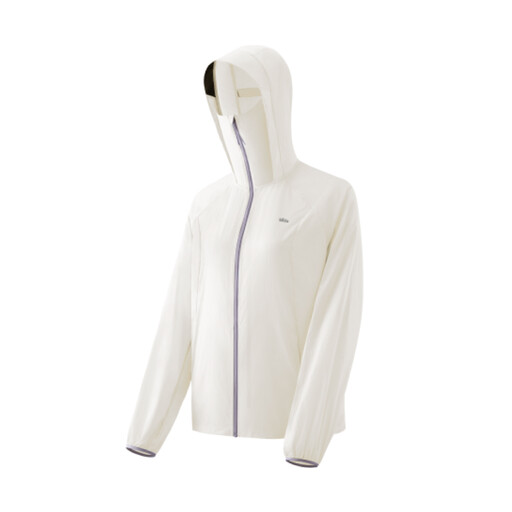
The ideal user: Perfect for daily commutes, city strolls, and travel. It offers good protection against the sun and unexpected showers, without the weight or bulk of a technical jacket. Its flattering fit effortlessly complements a daily outfit.
It's clearly positioned as water-resistant (repellent) and not fully waterproof, thus avoiding false expectations. The breathable underarm panels prevent the "sauna effect" during moderate activity.
Combines UPF 100+ sun protection (according to the brand) with a water-repellent finish. Its light weight and ergonomic fit make it a very comfortable garment.
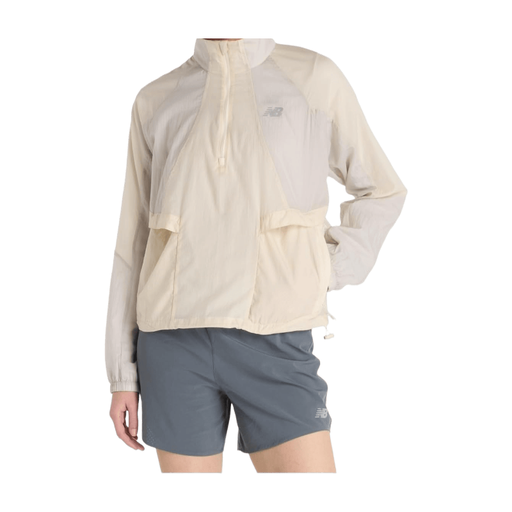
The ideal user: Perfect for weekend outings and hikes on marked trails. It provides good protection against wind and light rain, focusing on durability and comfort for moderate activities.
The WATER DEFY technology is presented as water-resistant, which prevents any unpleasant surprises (the repellent vs. waterproof trap). The ripstop fabric prevents premature wear, a common flaw in low-end jackets.
Durable construction from 100% recycled ripstop nylon, combining toughness with an eco-conscious approach. A reliable option from a brand known for its sports gear.
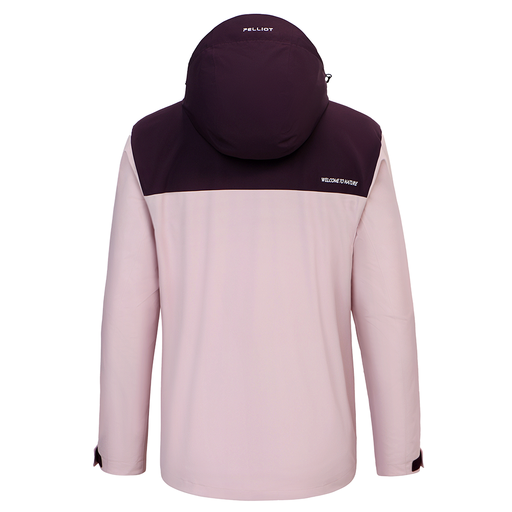
The ideal user: Designed for those who face changing conditions, from mountain trekking to multi-day camping trips. This 3-in-1 system offers maximum adaptability to handle wind, rain, and cold by combining or separating the layers.
It counters the "false versatility" trap by offering a true modular system. The technical specs mention a waterproof-breathable membrane ("STORMS BREATH") and taped seams—features of a real technical jacket.
Highly adaptable 3-in-1 system: wear the outer shell alone, the fleece liner alone, or both combined for maximum protection. The outer shell is advertised as scratch and abrasion-resistant.
We have compiled a comprehensive list of products that meet strict selection criteria and current quality standards.
A water-repellent jacket has a surface treatment that causes water to bead up and roll off. It protects against light, brief rain. A waterproof jacket is made with a membrane or coating that physically blocks water from passing through, even in heavy, prolonged rain. For reliable protection, choose a waterproof jacket with taped seams.
Wash your jacket with care. Use a special detergent for technical apparel, close all zips, and do not use fabric softener, which can clog the pores of the breathable membrane. Over time and with washing, the water-repellent treatment loses its effectiveness. You can reactivate it by putting it in a tumble dryer on low heat (if the label allows) or by applying a re-waterproofing spray.
A 3-in-1 jacket is an excellent option if you're looking for maximum versatility to handle a wide variety of conditions, from dry cold to temperate rain. It consists of a waterproof outer shell and an insulating liner (often fleece) that can be worn together or separately. It's a smart investment for multi-season activities like mountain hiking. For primarily urban and summer use, a lighter jacket will often be more practical.