
Livraison le jour même ou le lendemain

Qualité garantie

Débloquez vos offres de bienvenue: Livraison GRATUITE | Jusqu'à -80 % | 30 jours d'essai gratuits à JoyPlus
Téléchargez l'application
Whether you're gearing up for a mountain hike, a trail run, or your weekly jog, selecting the right equipment can be a daunting task. With a dizzying array of technologies, brands, and models, it's easy to feel lost. This guide is designed to cut through the noise, offering practical advice and a curated selection of field-tested products to help you find the perfect gear for your discipline.
As a product expert at Joybuy, my mission is to unearth gems for you that masterfully blend performance, comfort, and durability.
Before diving into our top picks, let's review the essential criteria for purchasing your women's outdoor gear.
Your choice of footwear is arguably the most critical decision. A mistake here can turn a beautiful outing into a painful ordeal.
Your backpack should feel like an extension of your body. The right choice will depend on the duration of your outings and the gear you need to carry.
Here are the products that captured our full attention, thanks to their technical features and their relevance for specific, targeted activities.
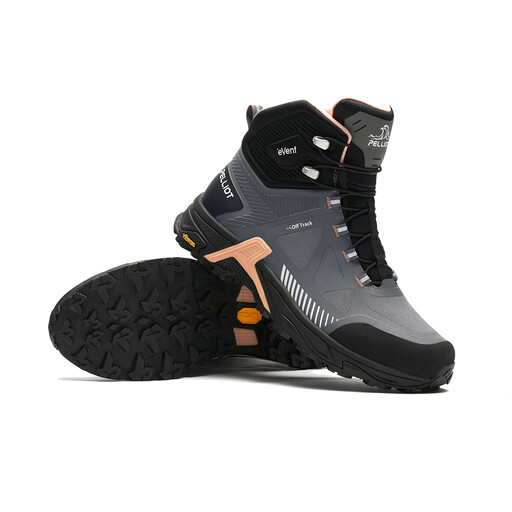
Why we love them: These boots are built for hikers who aren't afraid of a challenge. They combine robustness and technical features to deliver stability and performance, even when the weather turns unpredictable. A reliable choice for serious trekking equipment.
Key features:
Who is it for? Ideal for hiking and trekking enthusiasts who tackle the most technical trails and are looking for a reliable, protective, and bulletproof boot.
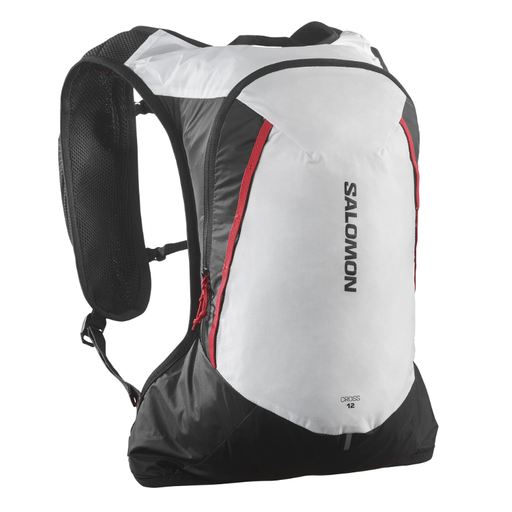
Why we love it: The Salomon Cross 12 is a powerhouse of technical features in an ultra-compact package. It's built for activities where every movement counts, like trail running. Its design prioritises stability and immediate access to hydration and gear.
Key features:
Who is it for? Perfect for trail runners and fast hikers looking for a lightweight, stable, and cleverly designed trail running pack to carry the essentials.
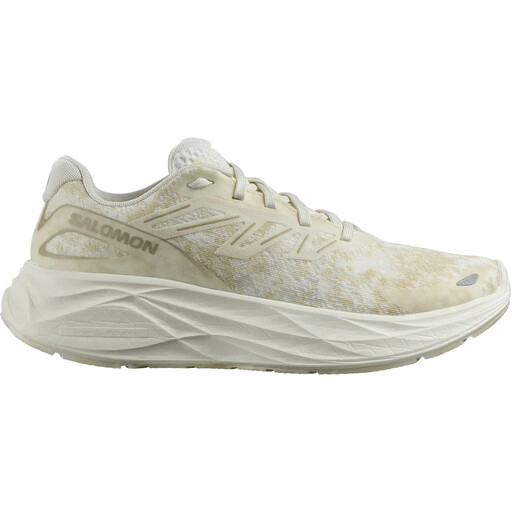
Why we love them:Salomon's reputation in women's gear is well-established, and the Aero Glide 2 is a perfect example. This shoe is engineered for road running and goes all-in on maximum cushioning for an unparalleled, cloud-like ride.
Key features:
Who is it for? For runners who train primarily on roads or clean paths and who make comfort and cushioning their top priority for their running gear.
Once you're off the trails, comfort is still king. For your quieter days or city strolls, style and well-being shouldn't be overlooked.
Discover our selection of casual lace-up shoes to combine everyday style and comfort.
The golden rule: choose a half size, or even a full size, up from your usual size, as your feet swell during exertion. The trick to getting it right: try on the boots with your hiking socks, push your foot forward, and check that you can fit a finger between your heel and the back of the boot. In any case, always consult the brand's size guide, which often recommends measuring your foot length.
Hiking is a long-distance walking activity, usually on marked trails at a moderate pace. Trail running is running in a natural environment, on varied terrain, and often with significant elevation changes. In short, the intensity of the effort is not the same, which explains the differences in gear (lighter shoes, a more compact pack for trail running).
The absolute essential for starting out is a good pair of women's running shoes, suited to your stride and the terrain (road or trail). This is your best insurance against injury. The rest of the gear (technical apparel, GPS watch) can come later. But don't skimp on the quality of your shoes: it's an investment you won't regret.