
Livraison le jour même ou le lendemain

Qualité garantie

Débloquez vos offres de bienvenue: Livraison GRATUITE | Jusqu'à -80 % | 30 jours d'essai gratuits à JoyPlus
Téléchargez l'application
Between hectic schedules and long days, maintaining your energy and well-being can feel like a challenge. While a varied and balanced diet is the cornerstone of good health, specific needs can sometimes arise. This is where a women's multivitamin can become a valuable ally to supplement your intake.
The dietary supplement market can be overwhelming, and it's easy to feel lost. This guide is designed to shed light on the subject with objective selection criteria, helping you choose the women's vitamin and mineral complex that's truly right for you, cutting through the marketing jargon.
Before looking at specific products, it's essential to understand the key criteria that make all the difference. Here are three points to check to make an informed choice.
The ingredient list alone isn't enough. The true quality of a multivitamin lies in the form of the nutrients it contains. Vitamins and minerals that are "bioavailable" or "active" are far better absorbed and utilised by the body.
For example, for vitamin B9, the methylfolate (5-MTHF) form is preferable to synthetic folic acid. Similarly, vitamin D3 is generally better absorbed than D2. For minerals like magnesium or zinc, bisglycinate or citrate forms are often favoured for their excellent digestive tolerance and optimal absorption. A formula free from controversial additives (like colourants or titanium dioxide) is also a hallmark of quality.
Every woman is unique, and her nutritional needs change with age and lifestyle.
A reputable manufacturer provides complete and transparent information about its products. This includes the origin of the ingredients, manufacturing methods, and clear, justified dosages. The presence of a QR code on the packaging, linking to independent lab reports or details on raw materials, is an excellent sign of trustworthiness.
Keeping these criteria in mind, we have selected three products that stand out and meet specific needs.
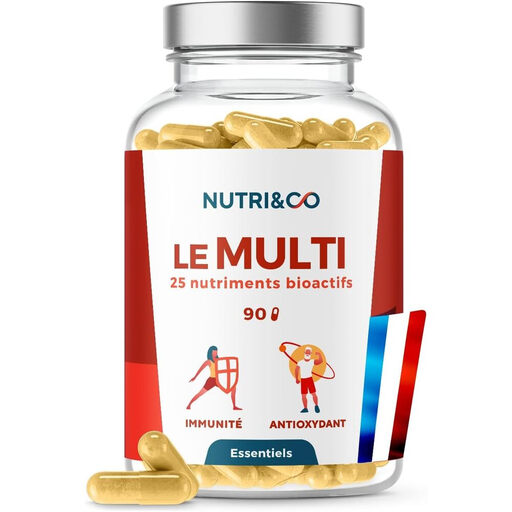
What sets it apart This formula stands out for its choice of nutrients in their most active and bioavailable forms. It includes co-enzymated vitamins (pyridoxal-5-phosphate for B6, methylcobalamin for B12) and liposomal minerals for optimal absorption. The absence of iron and copper is a deliberate choice by the manufacturer, aimed at avoiding the risks of pro-oxidant overload in individuals without a proven deficiency.
Key features
Who is it for? For women seeking a very pure women's dietary supplement with high-quality ingredients and maximum absorption. It's an excellent option for those who prefer to manage their iron intake separately or simply don't need it.
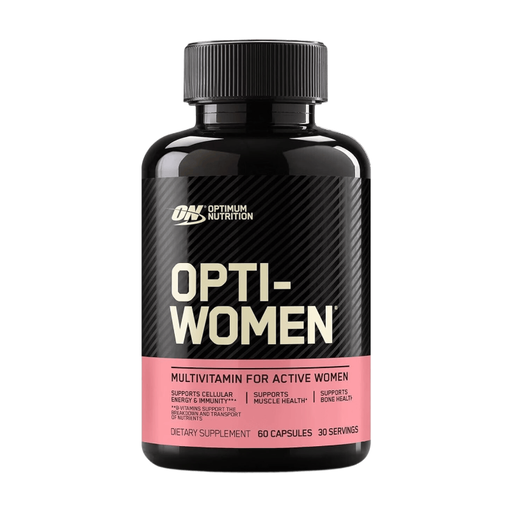
What sets it apart Specifically designed to meet the nutritional demands of active women, Opti-Women offers a very comprehensive formula. It contains 23 essential vitamins and minerals, all enriched with plant extracts like garlic and grape seed.
Key features
Who is it for? This is the go-to choice for an active women's multivitamin. It is aimed at athletes and anyone with a fast-paced lifestyle who wants comprehensive nutritional support for energy, metabolism, and recovery.
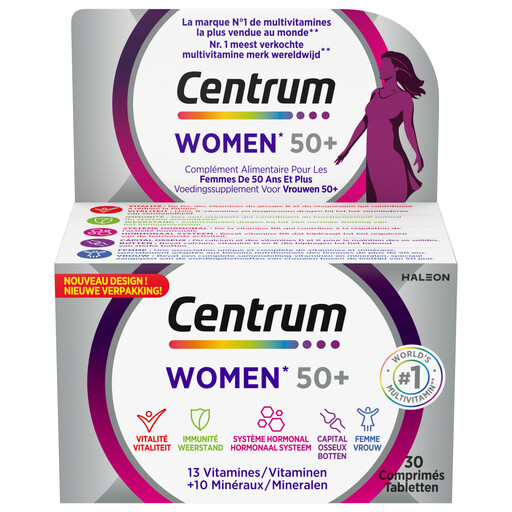
What sets it apart The Centrum Women 50+ formula has been specifically designed to support women over 50. It focuses on the nutrients for which needs increase with age, particularly for bone health and hormonal balance.
Key features
Who is it for? This product is specifically formulated as a vitamin complex for women 50 and over. It is perfectly suited for women in perimenopause or menopause who are looking for targeted nutritional support for this new stage of life.
A multivitamin is a convenient solution for overall support. However, some people prefer targeted supplementation to address a specific need. If you're looking to boost your intake of a particular nutrient, like vitamin E for its role in protecting against oxidative stress, it may be wise to opt for a single-nutrient supplement.
Explore our selection to find the right product for you: Discover our range of vitamin E supplements.
It is generally recommended to take your women's dietary supplement in the morning with breakfast. The presence of food, especially fats, improves the absorption of fat-soluble vitamins (A, D, E, K). This also allows you to benefit from the energising effect of the vitamins throughout the day.
No, absolutely not. As their name suggests, dietary supplements are meant to supplement the diet, not replace it. A healthy, varied diet rich in fruits, vegetables, quality proteins, and healthy fats remains the pillar of good health.
Continuous use is not always necessary. Many people opt for cycles of 1 to 3 months, for example, during the change of seasons or in periods of fatigue or intense stress. It is recommended to follow the manufacturer's instructions and to schedule breaks. For personalised advice, consulting a healthcare professional is always the best option.