
Livraison le jour même ou le lendemain

Qualité garantie

Débloquez vos offres de bienvenue: Livraison GRATUITE | Jusqu'à -80 % | 30 jours d'essai gratuits à JoyPlus
Téléchargez l'application
A wireless microphone can simplify filming, video conferencing or streaming. Yet product pages often blend theoretical range, noise reduction and advertised compatibility without explaining the real-world conditions behind those claims. For a content creator, online teacher or remote worker in France, a few technical details can make the difference between a genuinely convenient purchase and an accessory that is frustrating to use.
Before comparing models, here are the most common pitfalls to avoid.
A range of 100 metres is generally quoted in open space, without obstacles or interference. In an apartment, office or classroom, walls, Wi-Fi networks and Bluetooth devices can reduce connection stability.
Range should therefore be treated as an indication, not a guarantee. For a vlog, interview or presentation, focus above all on stability at the distance where you actually plan to use the microphone.
A microphone with noise reduction can reduce certain ambient sounds, but the result depends on the location, the distance between the capsule and your mouth, and the selected filtering level. Overly aggressive noise reduction can alter the tone of your voice or clip parts of certain syllables.
In a quiet room, the disabled or moderate setting will often be preferable. Outdoors, a stronger setting can help limit wind and consistent background noise, but it cannot replace a windscreen or correct microphone placement.
A microphone designed for USB-C does not connect in the same way to an older computer equipped only with USB-A. Similarly, a Lightning receiver will not connect directly to every recent iPhone.
Before placing your order, check:
A microphone for smartphones should be selected according to the port on the device you use. USB-C models work with many Android phones, tablets, laptops and recent iPhones, subject to software compatibility. Older devices may require an adapter.
For working from home, a USB headset for PC with an integrated sound card is easy to configure on a computer with a USB-A port. By contrast, a wired headset with a 3.5 mm jack can work with a console, controller or computer equipped with that output.
A specification of 48 kHz/16-bit indicates a capture capability suited to video and most online content. However, this figure alone does not guarantee a pleasant-sounding voice: microphone placement, room acoustics and signal processing remain decisive.
A wireless lavalier microphone positioned a few centimetres from the speaker’s mouth will generally deliver more consistent capture than a microphone placed far away.
For extended filming sessions, compare the battery life of each transmitter, rather than looking only at the figure quoted with the charging case. Local recording to a TF or microSD card can provide a backup if the wireless transmission is interrupted.
Also keep French rules on conversation recording in mind. When other people are captured, their consent may be required depending on the circumstances.
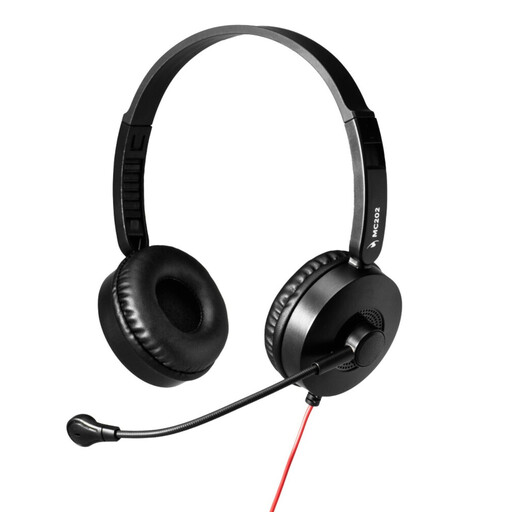
Why this model may be a good fit: This wired headset is suitable for meetings, remote classes and calls on a PC or laptop equipped with a USB-A port.
The USB-A connection and integrated sound card allow you to use it without additional drivers, reducing configuration issues.
Adjustable microphone with noise reduction, soft ear cushions and compatibility with Windows PCs.

Why this model may be a good fit: Its lavalier design, quoted range of up to 100 m in open space and charging case make it well suited to videos filmed on the move.
Three levels of DSP processing let you adapt noise reduction to your surroundings instead of applying the same filter in every situation.
Up to 20 hours with the case, backup recording to a TF card and remote control of the shooting process. Check the supplied connector, particularly if your device uses Lightning.
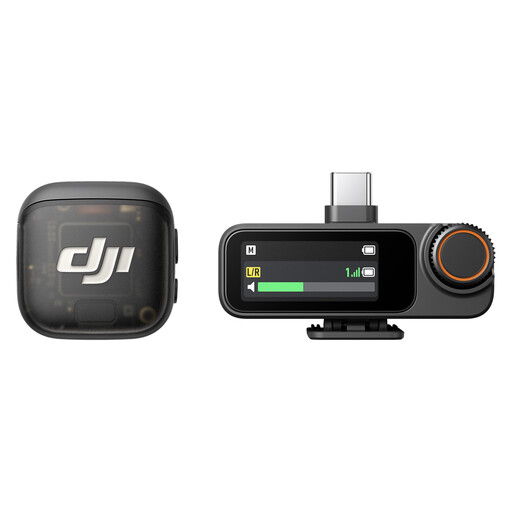
Why this model may be a good fit: Its two-transmitter configuration is ideal for interviews, multi-speaker podcasts and productions requiring two separate audio sources.
The inclusion of one receiver and two transmitters is clearly stated. This prevents the unwelcome surprise of discovering after purchase that a second speaker requires an additional accessory.
Two transmitters, a dual-channel receiver, recording built into the receiver and a carrying case with charging capability.
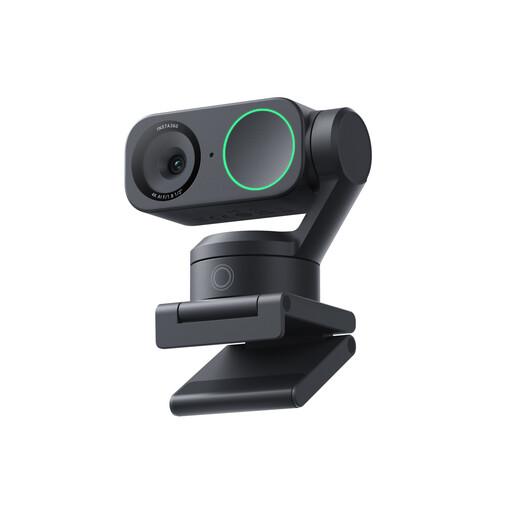
Why this model may be a good fit: This 4K webcam with microphone is designed for video calls, streaming and presentations on PC or Mac, with subject tracking and automatic framing.
It combines the camera and microphone in a single device, avoiding separate purchases and reducing synchronisation issues.
4K resolution, 1/2-inch sensor, PDAF autofocus, AI-powered tracking and microphone with noise reduction.
The BOYA BY-V20 V2.0 is a USB-C solution with two transmitters and one receiver. It is advertised with 9 hours of battery life and noise reduction activated at the touch of a button. It may suit iPhone 16 or 17 users as well as certain Android devices, once the port and compatibility have been verified.
The BOYA Magic-05 also features a two-transmitter configuration with a charging case. Its AI-assisted noise reduction can be useful in a busy environment. In a very quiet studio, however, the product information recommends disabling it if it alters the tone of the voice.
For gaming, the Konix Stranger Things Over-Ear is a wired headset with an integrated microphone and 3.5 mm jack. It is not a wireless microphone, but its over-ear design, passive isolation and advertised compatibility with PC, PS5, Switch 2 and Xbox address a different need: communicating with teammates without having to manage recharging.
We have put together an up-to-date selection of products that meet these selection criteria and the requirements applicable in France and the European Union.
No. The receiver connector, operating system and application in use can limit compatibility. Check in particular whether the model uses USB-C or Lightning and whether an adapter is included.
For a short session, a few hours may be sufficient. For a full production day, choose a charging case and, if possible, local backup recording. Actual battery life varies according to transmission, noise reduction and your charging habits.
A wireless lavalier microphone is well suited to presentations, interviews and videos in which the speaker needs to move around. A headset with a microphone is more practical for remote work, online gaming and extended calls, particularly when you also need to listen to the other participants.