
Livraison le jour même ou le lendemain

Qualité garantie

Débloquez vos offres de bienvenue: Livraison GRATUITE | Jusqu'à -80 % | 30 jours d'essai gratuits à JoyPlus
Téléchargez l'application
Securing your entryway has never been simpler or more affordable, thanks to the wireless video doorbell. But with an overwhelming number of options on the market, how do you find the right one? Between tempting marketing promises and often opaque technical sheets, the risk of making the wrong choice is very real. Our mission: to help you navigate the 3 most common pitfalls and identify the criteria that truly matter for making a smart purchase.
The smart doorbell market is packed with appealing features, but some can hide significant drawbacks. Here are the key points to check before you complete your purchase.
To avoid these pitfalls, it's crucial to understand a few technical parameters. These are what will determine the reliability and effectiveness of your future wireless video intercom.
The connection type is a decisive factor that dictates the device's entire operation.
To help you see how these criteria apply in practice, here are a few options tailored to specific needs.
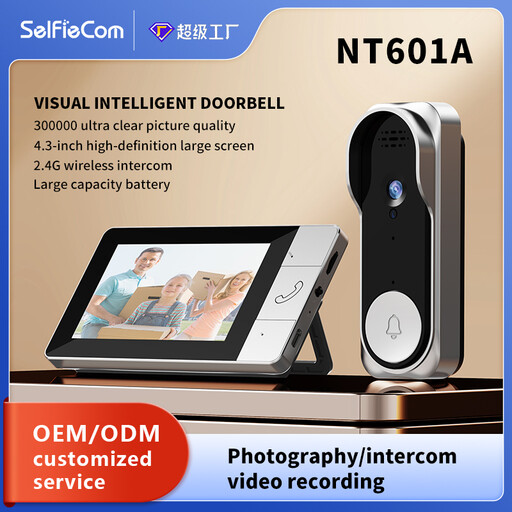
Why we recommend it: This is the ideal solution for those who want a simple and 100% standalone wireless video entry system. No smartphone, no app, no internet required: everything happens on the included indoor monitor.
This model uses a dedicated radio link, making it immune to Wi-Fi or internet outages. There are zero subscription fees, and local recording on a microSD card (not included) ensures you have full control.
A complete, ready-to-use system (camera + 4.3-inch monitor). It includes two-way talk and automatic photo capture of visitors.

Why we recommend it: A must-have for smart home enthusiasts seeking seamless integration with their ecosystems (Alexa, Google Home) and intelligent features. The HD video quality and wide viewing angle let you see visitors from head to toe.
Arlo is transparent about its subscription plan (Arlo Secure), which is required for cloud storage and advanced detection features. A trial period is included to let you test it out. The power source is flexible: choose between a rechargeable battery or an optional hardwired connection.
Receive a direct video call on your smartphone as soon as someone rings, use the built-in siren to deter intruders, and enjoy broad compatibility with major smart home assistants.
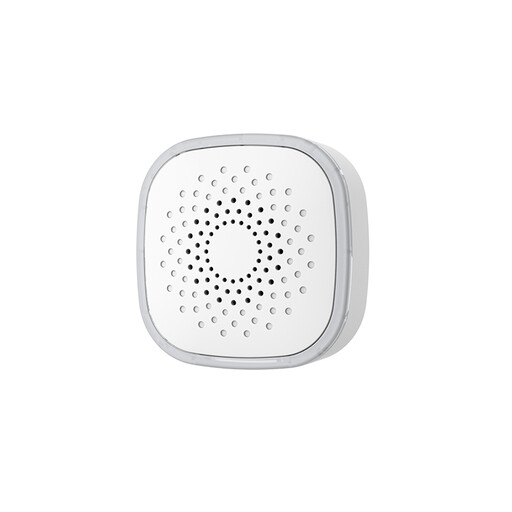
Why we recommend it: For when video isn't a priority, but reliability, range, and simplicity are. It's the perfect solution for large homes, outbuildings, or for hearing the doorbell from the back of the garden.
It relies on an ultra-stable RF 433 MHz radio technology with a theoretical range of 300m in an open field, far outperforming Wi-Fi over long distances. The push-button's battery (CR2032) lasts up to 2 years, and of course, there are no subscription fees.
Extremely simple installation (the receiver plugs into any USB port), 60 ringtones, 5 volume levels, and an LED flash for visual alerts. The outdoor button is IP44 certified to withstand the elements.
Our editorial team has tested and compiled a complete selection of products that meet our selection criteria and current safety standards.
Actual battery life depends on three factors: the battery's capacity (in mAh), the frequency of motion detection events, and the number of interactions (video calls, live view sessions). For a main entrance, expect to recharge it every 2 to 4 months. For a secondary entrance, the battery life can indeed reach the 6 months promised by manufacturers.
No, a subscription is not mandatory for basic functions like receiving an alert and seeing who is at your door in real-time. However, advanced features such as cloud video history, custom motion zones, or smart recognition (people, packages, animals) are almost always subject to a paid plan. To avoid this, choose a model that supports local recording to a microSD card.
For a distant gate, signal range is the number one challenge. A Wi-Fi-based wireless video doorbell will struggle to pick up the signal from your router. You have two main solutions: