
Livraison le jour même ou le lendemain

Qualité garantie

Débloquez vos offres de bienvenue: Livraison GRATUITE | Jusqu'à -80 % | 30 jours d'essai gratuits à JoyPlus
Téléchargez l'application
With the arrival of the Nintendo Switch 2, choosing the right wireless controller has become a real headache for many gamers. Whether you're looking to replace aging Joy-Cons, improve comfort, or gain a competitive edge, the market is flooded with options. The problem? Not all of them are created equal. Behind the marketing promises, you'll often find flaws that can turn a gaming session into a total nightmare.
Our mission: to help you see things more clearly. Together, let's break down the pitfalls to avoid and the criteria that truly matter, so you can make an informed choice, far from the siren song of marketing.
To avoid falling into the trap, it's best to rely on objective technical specifications.
Analog Stick Technology?: To say goodbye to drift, this is THE number one criterion. Classic models use potentiometers, mechanical parts that wear down through friction. The durable and reliable alternative? Hall effect technology (sometimes called TMR), which uses magnetic sensors with no physical contact. A true anti-drift Switch 2 controller almost always relies on this technology, guaranteeing precision and longevity.
Real-World Battery Life and Connectivity?: A good Bluetooth controller for Switch 2 must ensure a flawless connection and rock-solid battery life. Aim for at least 15 to 20 hours under real gaming conditions (vibrations on). Models exceeding 30 hours offer truly superior convenience, especially for marathon gamers. The inclusion of a USB-C port for charging has, of course, become essential.
Features That Make a Difference?: For demanding gamers, a controller with back buttons for Switch 2 is a real game-changer. These paddles, often programmable, allow you to assign actions (like jumping or reloading) without ever taking your thumbs off the sticks, providing a decisive boost in responsiveness in action games or FPS titles. The Turbo function, meanwhile, can be useful in games that require repetitive button presses.
Here are a few options that meet these criteria, suited for different types of gamers.
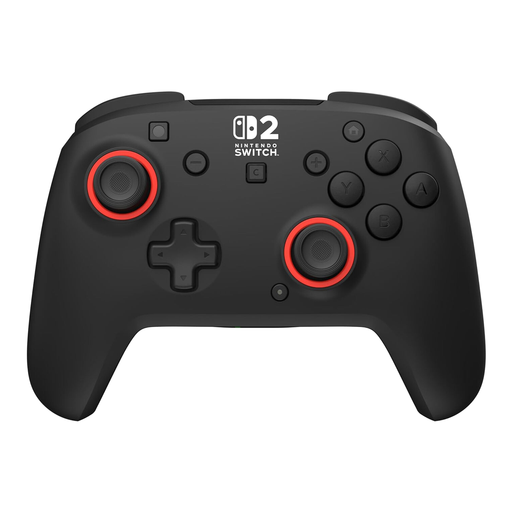
Why we recommend it : A model built for performance. It combines extra-long battery life, TMR sticks for surgical precision, and programmable back paddles. The perfect combo for players looking to optimize their gameplay.
It tackles drift at its root with its TMR (Hall effect) sticks and ends battery anxiety with a true 40-hour battery life, with no nasty surprises.
Anti-drift TMR sticks, 2 programmable back paddles, up to 40-hour battery life, dedicated C button for voice chat.
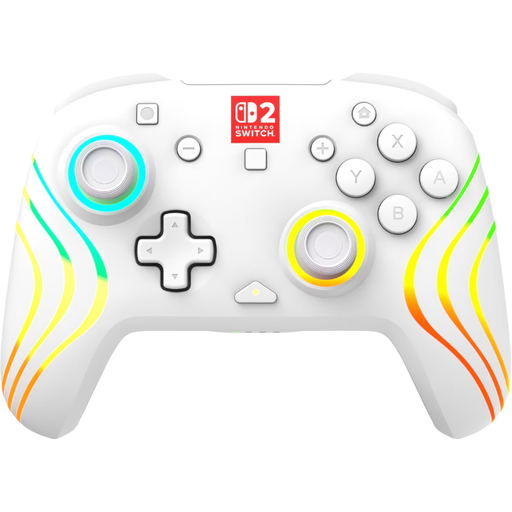
Why we recommend it : For those who love a setup that reflects their personality, this controller blends spectacular RGB lighting with high-end performance. Ideal for creating a unique gaming atmosphere without sacrificing responsiveness.
Looks aren't everything. The inclusion of TMR sticks and programmable paddles proves that performance wasn't sacrificed at the altar of design.
8 RGB lighting zones, 4 preset modes, TMR sticks, 2 programmable back paddles, up to 20-hour battery life.
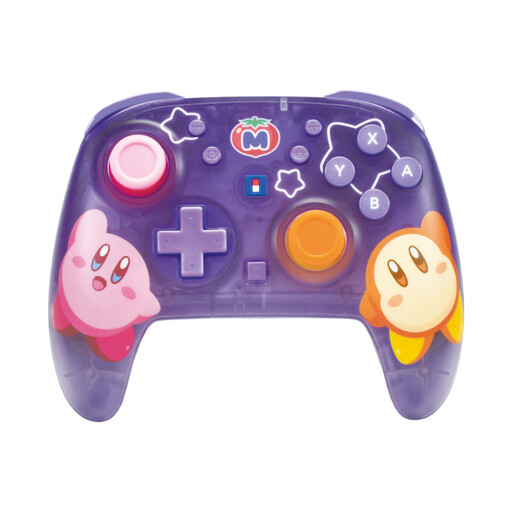
Why we recommend it : Officially licensed by Nintendo, this controller combines an adorable translucent design in Kirby's colors with very serious technical specs. The perfect choice for fans who refuse to make any compromises on performance.
Being an officially licensed Hori product, compatibility is flawless. The integration of TMR (Hall effect) sticks prevents premature wear and takes drift out of the equation.
Official Nintendo design, precise and durable TMR sticks, programmable back paddles, Turbo function.
We've put together a complete selection of controllers that meet our demanding specifications.
In theory, yes. Most controllers designed for the Switch 2 are backward compatible with the original Switch. However, the devil is in the details. For example, the new "C" button on the Switch 2 won't be functional on a classic Switch. Conversely, an old Switch controller will work on the Switch 2, but you might miss out on some new software features. The best practice: always check the product page to verify compatibility.
The only truly reliable solution is to choose a controller equipped with Hall effect sticks (or TMR). Unlike potentiometers, which wear down from friction, this magnetic technology with no physical contact virtually eliminates the risk of wear and, therefore, ghost movements. Brands like Hori and Turtle Beach are increasingly integrating it into their new models.
The Official Nintendo Pro Controller remains the gold standard for its ergonomics, build quality, and seamless integration with the Nintendo ecosystem (HD rumble, NFC reader for amiibo, etc.). Third-party alternatives from brands like Hori or Turtle Beach compete on other fronts: