
Livraison le jour même ou le lendemain

Qualité garantie

Débloquez vos offres de bienvenue: Livraison GRATUITE | Jusqu'à -80 % | 30 jours d'essai gratuits à JoyPlus
Téléchargez l'application
The wireless speaker market is flooded with promises: phenomenal power, universal connectivity, all-weather durability... Yet, the unboxing experience often leads to disappointment. As a product expert at Joybuy, I'm here to help you decode spec sheets and identify the criteria that truly matter. The goal: a smart purchase you won't regret.
Before you even start comparing models, let's learn how to spot the misleading marketing claims that lead directly to a poor choice.
To make an informed choice, forget the jargon and focus on these three essential points that define a speaker's quality in daily use.
The choice depends entirely on your use case.
Rather than getting mesmerised by watts, examine the driver configuration. A good audio system separates frequencies for a more precise and balanced sound.
Your future speaker should adapt to your lifestyle.
Let's move on to our recommendations—models that meet specific needs and tick all the right boxes.
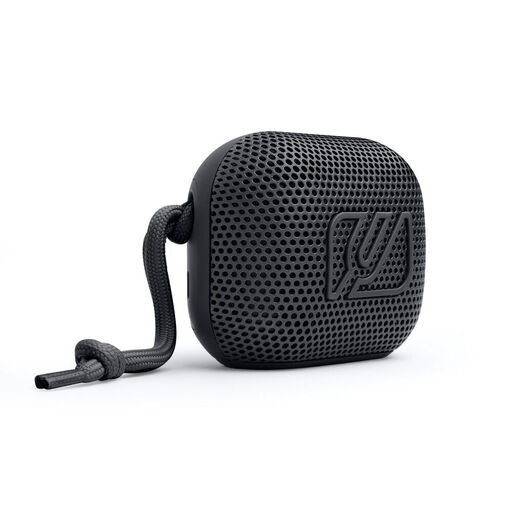
Ideal for those looking for a simple, affordable solution to listen to music at a picnic, in the garden, or on the move. Its small size and wrist strap make it very easy to carry.
This model is transparent about its capabilities: a 5W output designed for near-field listening and an IPX4 certification clearly defined as splash-resistant, not submersible.
An excellent portability-to-price ratio. The IPX4 rating and hands-free calling function are very practical bonuses for casual, everyday use.
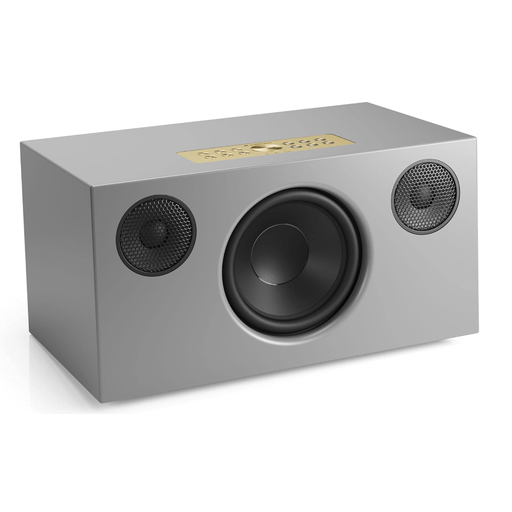
Designed for high-fidelity sound enthusiasts who want an elegant, connected solution for their home. It integrates perfectly into a multi-room ecosystem and can even connect to a turntable.
It doesn't bet everything on watts, but on a quality audio architecture (5.25" woofer, 2 tweeters) and comprehensive connectivity (Wi-Fi, AirPlay 2, Google Cast, Bluetooth 5.0, RCA), thus avoiding the trap of false universality.
A Hi-Fi sound quality that is both powerful and detailed. Its extensive multi-room compatibility makes it a central audio hub for the entire home.
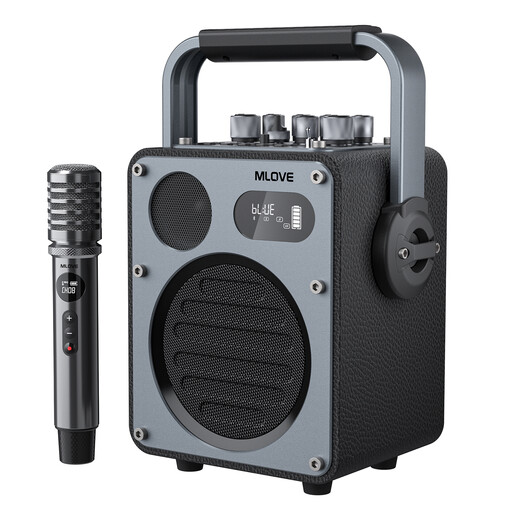
More than just a speaker, this is a true entertainment hub. Perfect for hosting karaoke nights, for amateur musicians, or even for content creators thanks to its recording function.
This product isn't marketed as a simple Bluetooth speaker. Its added value lies in its dedicated features (wireless microphone included, instrument inputs, EQ modes) which are clearly listed and justify its positioning.
An all-in-one solution for karaoke and small-stage performances. The Bluetooth 5.4 connectivity and direct-to-smartphone recording function via USB-C are very modern features.
We have curated a full range of products that meet our strict selection criteria and European safety standards.
What's the difference between a Bluetooth speaker and a Wi-Fi speaker? A Bluetooth speaker connects directly to your device (smartphone, tablet) over a short range, making it ideal for portable use. A Wi-Fi speaker connects to your home network, offering better audio quality, a greater range, and the ability to create a multi-room system to stream music throughout your home.
Does a higher watt rating guarantee better sound? No, absolutely not. Sound quality primarily depends on the speaker's design: the quality of the drivers (woofers, tweeters), the cabinet architecture, and the digital signal processing (DSP). High power in a poorly designed speaker will only amplify its flaws. It's better to trust the overall audio architecture.
How do I maintain my wireless speaker to extend its lifespan? Clean it regularly with a soft, dry cloth. Avoid exposing it to extreme temperatures or moisture beyond its IP rating. For battery-powered models, avoid leaving the battery completely discharged for long periods. Finally, always use the original charger or a compatible model recommended by the manufacturer to preserve the battery.