
Livraison le jour même ou le lendemain

Qualité garantie

Débloquez vos offres de bienvenue: Livraison GRATUITE | Jusqu'à -80 % | 30 jours d'essai gratuits à JoyPlus
Téléchargez l'application
The promise of a wireless speaker is alluring: immersive sound, a sleek design, and an incredibly simple setup. Yet, disappointment often follows. Between deliberately complex spec sheets and aggressive marketing, it's easy to be misled and end up regretting your purchase.
Our mission is to help you see things more clearly. This guide breaks down the criteria that truly matter for choosing a wireless speaker that's perfectly suited to your needs, whether it's for gaming, movie nights, or simply enjoying your music.
The market is flooded with models, but they are far from being created equal. Here are the most common mistakes that can ruin your experience... and make you regret your investment.
To make an informed choice, forget the marketing jargon and focus on these key features that determine the use and performance of your future speaker.
This is the number one criterion, as it depends entirely on your habits.
The size and internal architecture of the speaker are the guarantors of its sound signature.
Rather than searching for a single 'perfect' model, it's wiser to find the one that matches your profile. Here are a few options that meet specific needs.
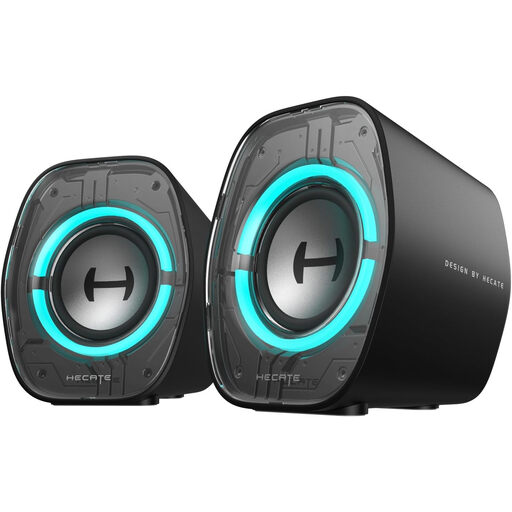
Why it's a great choice: Specifically designed as a PC gaming speaker, it remains compact to avoid cluttering your desk while creating an immersive atmosphere with its RGB lighting. Its comprehensive connectivity (Bluetooth, USB, AUX) makes it highly versatile for both a gaming setup and remote work.
This model doesn't fall into the raw power trap. It relies on smart EQ modes (Game/Movie/Music) and acoustics optimised for near-field listening, which is far more relevant on a desktop.
Its ultra-low latency (≤ 40 ms) Bluetooth 5.4 connection is a real asset for preventing any audio/video lag in games. The customisable RGB lighting modes complete the immersive experience.
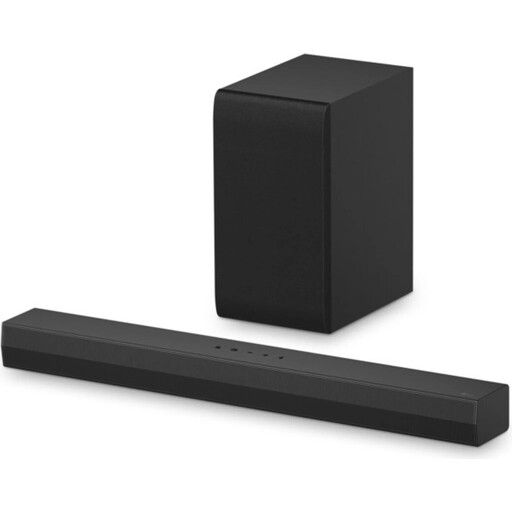
Why it's a great choice: This is the quintessential all-in-one solution for boosting your TV's sound. The wireless soundbar and subwoofer set instantly transforms the movie and series experience: bass is deep, dialogue is crystal clear, all without the complexity of a full home theatre system.
It perfectly illustrates the "not-quite-wireless" trap: the subwoofer connects to the soundbar without an audio cable, but both units need a power outlet. Crucially, it includes an HDMI ARC connection, the key to avoiding compatibility issues with your TV.
The simplicity of setup and use, thanks to the HDMI ARC port, which lets you control everything with just your TV remote. The dedicated subwoofer ensures a punchy performance in the low frequencies.
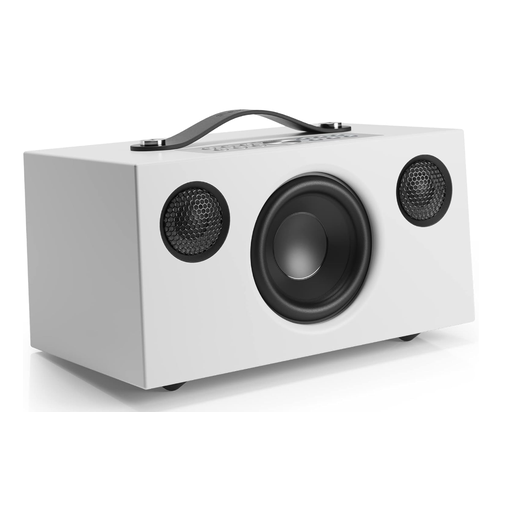
Why it's a great choice: The ideal option for anyone seeking superior sound quality and the flexibility of a multi-room audio system. It's compatible with AirPlay 2, Google Cast, and Spotify Connect, and even has RCA inputs to connect an external source like a turntable.
By focusing on comprehensive Wi-Fi connectivity, it avoids the trap of the isolated Bluetooth speaker. It ensures lossless playback and integrates seamlessly into a cohesive audio ecosystem throughout the home.
Its connection versatility is formidable (Wi-Fi, Bluetooth, RCA). Its Hi-Fi-style design, with quality components (Class D amp, 4-inch woofer), ensures a rich, detailed, and dynamic sound.
Explore our full selection of speakers and soundbars, curated by our experts for their performance and reliability.
1. What's the difference between a Bluetooth speaker and a Wi-Fi speaker? A Bluetooth speaker connects directly to a device (smartphone, computer) over a short distance. It's simple, fast, and universal. A Wi-Fi speaker connects to your home internet network. It offers better audio quality (compatible with Hi-Res Audio streams), a much greater range, and enables multi-room functionality: streaming the same music to multiple speakers at once.
2. Does a wireless speaker always need a power cable? Yes, almost always. The term "wireless" refers to the audio connection (Bluetooth or Wi-Fi), not the power supply. Living room speakers, soundbars, and PC systems must be plugged into a power outlet. Only portable, battery-powered speakers are 100% autonomous.
3. Can I use any wireless speaker for my TV? In theory, yes, if your TV is Bluetooth-compatible. In practice, the experience is often disappointing (risk of audio/video lag, sound profile not suited for movies...). For the best result, a dedicated solution like a soundbar is highly recommended. Prioritise a model with an HDMI ARC port: setup is a breeze, and you can control the volume with your TV's remote control.