
Livraison le jour même ou le lendemain

Qualité garantie

Débloquez vos offres de bienvenue: Livraison GRATUITE | Jusqu'à -80 % | 30 jours d'essai gratuits à JoyPlus
Téléchargez l'application
Choosing a wireless security camera seems easy, right? In reality, the market is a jungle of marketing promises that often lead to disappointment. Between unrealistic battery life claims and features that don't hold up, it's easy to make the wrong choice. Our editorial mission: to help you see things clearly and secure your home with complete peace of mind.
Before you pull out your credit card, let's review the three most common traps that turn a promising purchase into a real headache.
To avoid these disappointments, let's focus on the features that truly matter for your specific needs. Here are the three points to examine closely.
Be aware: the term "wireless" refers to the data connection (Wi-Fi, 4G), but not always the power supply!
Your environment dictates the type of connection.
A clear image is essential to accurately identify what's happening.
Rather than an endless list, we've matched specific models to clear user profiles, based on the criteria we've just defined.
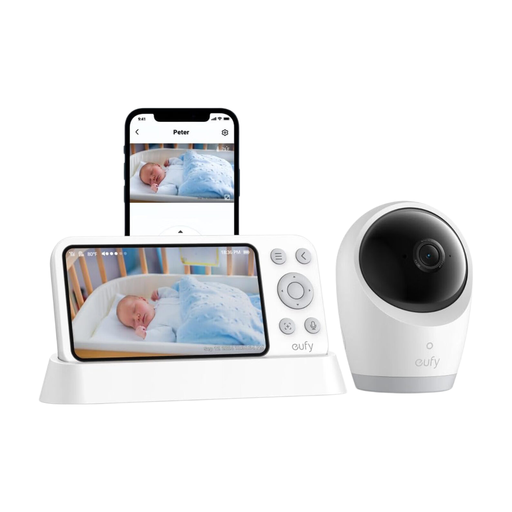
Why this model? This video baby monitor is designed for parents who want the best of both worlds: an ultra-reliable local connection without Wi-Fi and remote access via the app. The portable, battery-powered camera (5000 mAh) can be moved wherever it's needed, and the pan/tilt function lets you keep an eye on your baby without setting foot in the room.
It sidesteps the trap of cloud and Wi-Fi dependency with its hybrid connection mode. Recordings can be stored locally on an SD card, freeing you from subscription fees to save precious moments.
The 4K resolution offers an exceptional level of detail for zooming in on your baby. Smart cry detection and active noise reduction filter out background sounds for more relevant alerts.
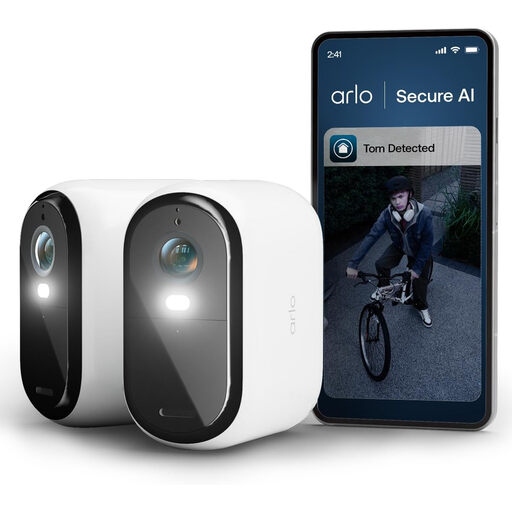
Why this model? For those who want a high-performance outdoor security camera without the hassle of recharging. This 100% wire-free two-camera pack includes an XL battery that offers well above-average life, reducing maintenance to a bare minimum.
It tackles the pitfall of overstated battery life head-on. The XL battery (7800 mAh) is built to last, offering extended peace of mind. The 2K resolution is an excellent compromise that avoids overloading your Wi-Fi network while still providing highly detailed images.
Colour night vision (thanks to the integrated spotlight!) and a deterrent siren provide active security. The mature Arlo ecosystem enables smart detection (people, vehicles) through the Secure subscription.
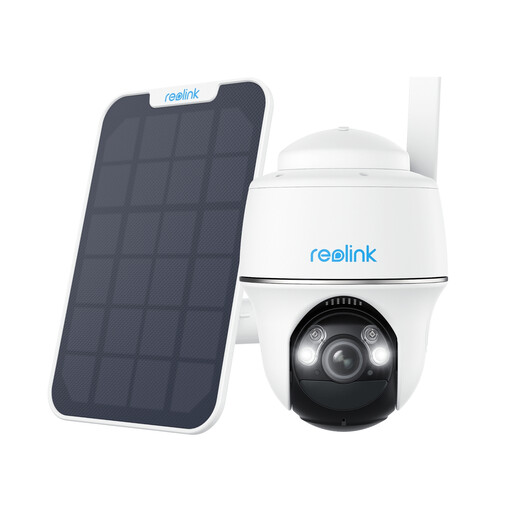
Why this model? The ultimate solution for owners of second homes, construction sites, or any other location without electricity or Wi-Fi. This solar-powered 4G camera is completely self-sufficient: it connects to the mobile network via a SIM card, and its solar panel keeps the battery continuously charged.
It's designed from the ground up to work without Wi-Fi, eliminating any frustration with a poor connection. Solar power solves the problem of manual recharging, a critical point for a site you don't visit every day.
Its motorised pan (355°) and tilt (140°) function allows you to scan a very wide area with a single camera. Smart person and vehicle detection is built-in, without a major extra cost.
Explore our full selection of products that meet our demanding criteria and current security standards.
Battery life depends on three factors: battery capacity (mAh), the frequency of detections, and the weather (cold reduces performance). For an outdoor camera in a moderately busy area, a battery over 5000 mAh can last from 1 to 3 months. With XL models (over 7000 mAh), you can expect several months at a time. Adding a compatible solar panel can even make manual recharging unnecessary.
Most cameras work without a subscription for basic features: live viewing and motion notifications. However, a subscription is often required to unlock multi-day cloud video storage and AI features (detecting people, pets, packages). The alternative? Choose a model with a microSD card slot for 100% local storage.
Generally, no. A WiFi IP camera needs an internet connection to send you notifications and allow you to view the stream remotely. Some systems, like dedicated video baby monitors or kits with a base station, can operate on a closed local network, but you won't be able to access them once you leave your home. If you don't have internet access at the location you need to monitor, a 4G camera is the only reliable alternative.