
Livraison le jour même ou le lendemain

Qualité garantie

Débloquez vos offres de bienvenue: Livraison GRATUITE | Jusqu'à -80 % | 30 jours d'essai gratuits à JoyPlus
Téléchargez l'application
Protecting your home or business is a top priority. But with a crowded market, choosing the right wireless outdoor security camera can quickly become a daunting task. The advantage of these models? Complete installation freedom, without the hassle and expense of tedious wiring.
This guide is here to demystify the market and help you find the model that's perfectly suited to your needs, without drowning you in technical jargon. We've scrutinized the essential criteria—ease of installation, image quality, battery life—to bring you our selection of the best cameras for 2026.
Before diving into our top picks, let's review the essential points to check to ensure you make the right choice.
The main benefit of "wireless" is the absence of a network cable, but the question of power supply remains a key consideration.
For effective surveillance, image clarity is non-negotiable. A resolution of 2K (or higher) is the minimum required to identify a face or read a license plate.
The field of view is just as crucial. A 360° outdoor camera (motorised, also known as PTZ for Pan-Tilt-Zoom) covers a very wide area and eliminates blind spots. From your smartphone, you can control its rotation and tilt to scan your entire property.
The majority of cameras connect to your home network via Wi-Fi. An outdoor Wi-Fi IP camera is simple to set up, but make sure your router's signal is strong enough at the intended installation spot.
For remote locations without Wi-Fi (like a holiday home, construction site, or farm), a standalone 4G camera is essential. It operates with a simple SIM card and a mobile data plan to provide reliable surveillance, wherever you are.
One final crucial point: image storage. Local recording on a microSD card is the most budget-friendly solution, as it requires no subscription. Cloud storage, on the other hand, secures your videos online but usually involves a paid subscription.
Here are the models that caught our eye for their performance and relevance in the UK market.
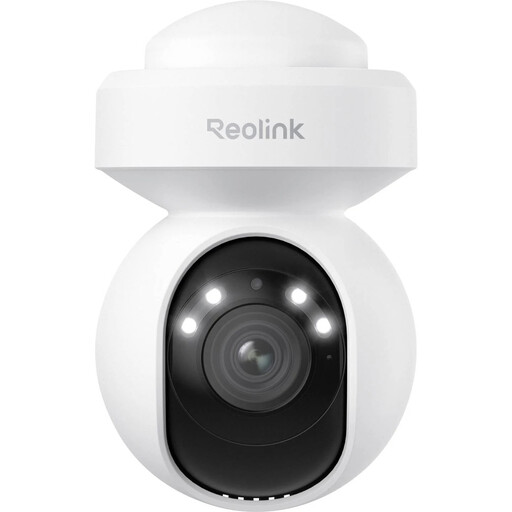
Why it stands out: This feature-rich model combines high resolution, motorised coverage, and a true optical zoom. Its dual power options (battery or mains) make it highly versatile for installation, while its smart detection effectively filters out false alarms.
Key features:
Who is it for? Ideal for homeowners with a large garden or yard who want precise surveillance and the ability to zoom in on specific areas.
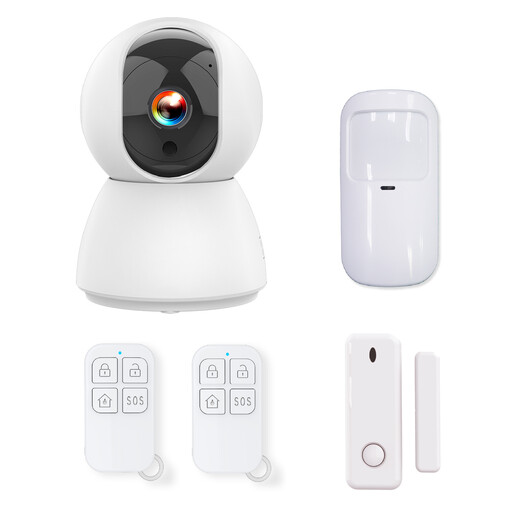
Why it stands out: Much more than just a camera, this is a complete wireless video surveillance kit. The motorised camera acts as the central hub for an expandable alarm system that can accommodate motion and entry sensors.
Key features:
Who is it for? Perfect for those looking to install their first comprehensive and integrated security system (for an apartment, house, or small business), with the camera serving as the control hub.
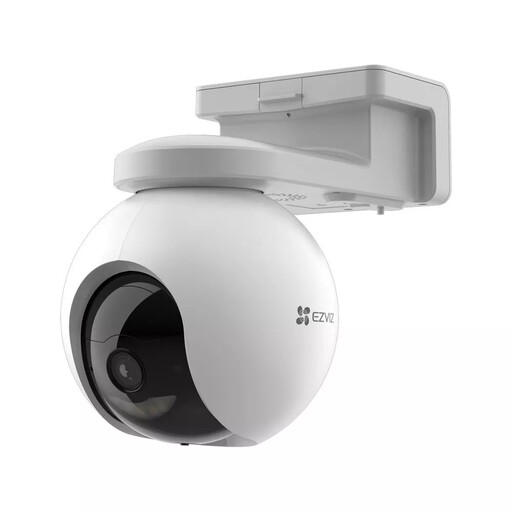
Why it stands out: Its main advantage is its 4G LTE connectivity. This standalone 4G camera is designed to work where Wi-Fi is unavailable. Its high-capacity battery, compatible with a solar panel, makes it the ideal solution for monitoring remote sites.
Key features:
Who is it for? The perfect solution for monitoring a construction site, holiday home, warehouse, boat, or any other location without Wi-Fi coverage.
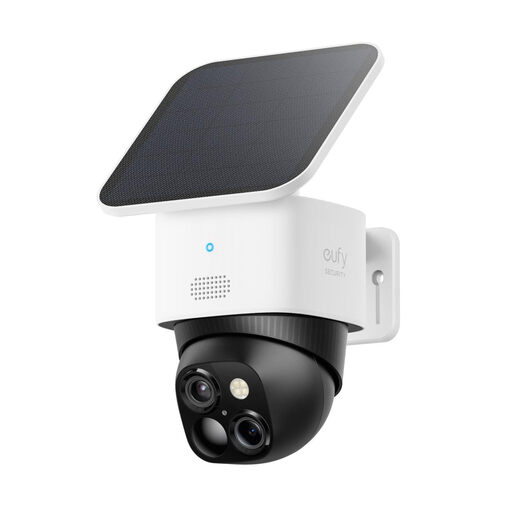
Why it stands out: This solar security camera is designed for complete energy independence. Its integrated solar panel ensures perpetual operation, while its dual lenses (wide-angle and telephoto) allow you to maintain an overview while zooming in on details.
Key features:
Who is it for? Ideal for those looking for a 'set-it-and-forget-it' solution that is eco-friendly, free from recharging hassles, and perfect for perimeter surveillance.
None of these models quite meet your needs? If you have a more specific requirement, such as monitoring wildlife with discreet models, other solutions are available.
To explore a wider variety of products, check out our full range of trail cameras.
The range of a Wi-Fi camera primarily depends on the strength of your internet router and any obstacles (walls, floors). In theory, in an open field, it can reach several dozen metres. In practice, it's best to place it within 15-20 metres of the router to ensure a stable signal. Beyond that, or in areas without Wi-Fi, a standalone 4G camera is the way to go.
Yes, it's one of the biggest advantages of wireless models. Installation often just involves mounting the bracket to the wall (a few screws are all you need), inserting the battery and memory card, and then following the steps in the manufacturer's mobile app to connect it to your network. No special technical skills are required.
No, it's not mandatory. All the models in our selection support local storage on a microSD card (usually not included). This allows you to record and view your videos without any monthly fees. Brands often offer optional cloud subscriptions to secure your recordings online, but this is a choice, not a requirement.