
Livraison le jour même ou le lendemain

Qualité garantie

Débloquez vos offres de bienvenue: Livraison GRATUITE | Jusqu'à -80 % | 30 jours d'essai gratuits à JoyPlus
Téléchargez l'application
Protecting the perimeter of your home, monitoring a driveway, or keeping an eye on business premises is a more than legitimate concern. Faced with the vast array of available models, choosing a wireless outdoor security camera can quickly become a headache. Should you prioritise solar power, a 4G connection, or colour night vision?
This guide is here to help you decode the spec sheets, separate the wheat from the chaff, and make the right choice—without getting lost in marketing jargon.
Before jumping on the latest deals, it's essential to take a moment to define your specific needs based on a few key criteria.
The main advantage of a wireless camera is its simple installation. But be aware, the term '?wireless?' covers two distinct aspects: power and network connection.
A blurry image is useless. To identify a face or a license plate, sharpness is non-negotiable.
This is a crucial point that can directly impact your wallet and how your data is managed.
Let's get practical with our selection of models that caught our eye for their performance and features.
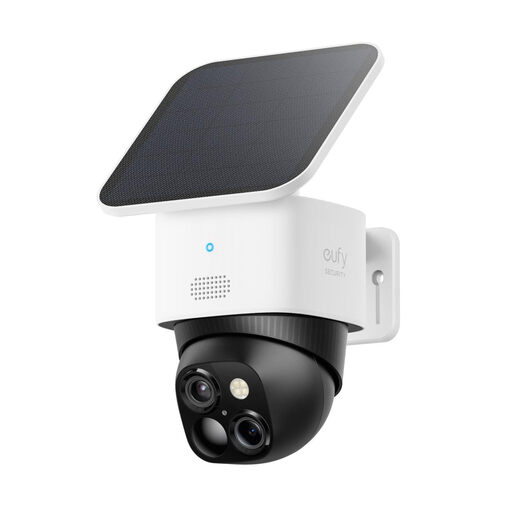
Why it stands out: It checks almost all the boxes: solar power for nearly unlimited battery life, a dual-lens system (wide-angle and telephoto), and 360° motorised panning, all without a subscription.
The pros:
Who is it for? For homeowners looking for a complete, cost-effective, and '?set it and forget it?' solution to monitor a large area like a garden or courtyard.
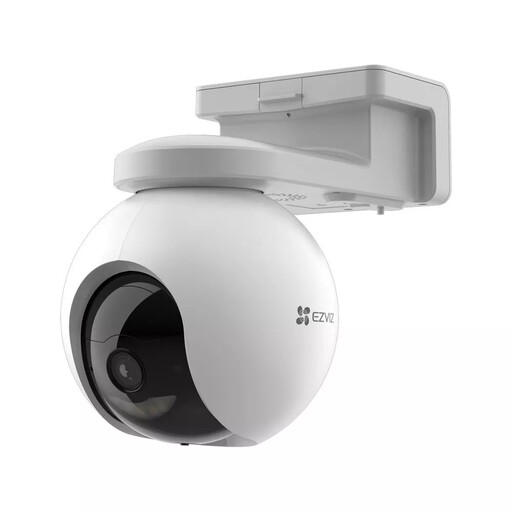
Why it stands out: Its 4G connectivity makes it the ideal solution for locations not covered by Wi-Fi.
The pros:
Who is it for? Ideal for monitoring holiday homes, construction sites, warehouses, or agricultural land where Wi-Fi is non-existent.
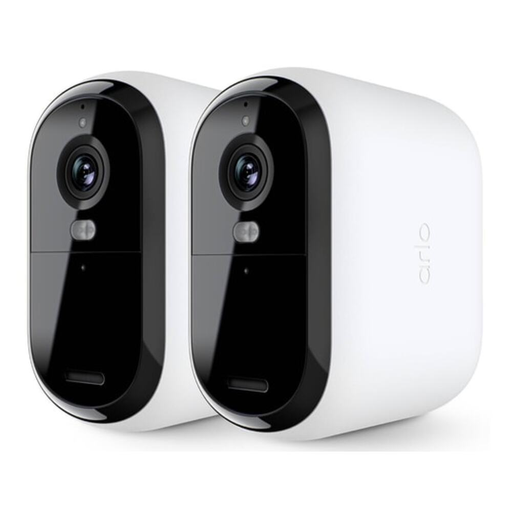
Why it stands out: This two-camera pack features XL batteries for record-breaking autonomy, significantly reducing the chore of recharging.
The pros:
Who is it for? For those who want to cover multiple strategic points (entrance, garden, garage) with an easy-to-deploy system that requires minimal maintenance.
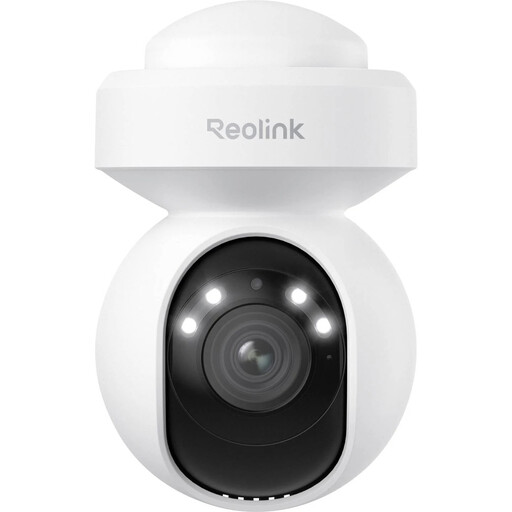
Why it stands out: Its 3x optical zoom is a major asset, as it allows you to magnify the image without any loss of quality to identify details from a distance.
The pros:
Who is it for? Perfect for those who need to monitor a large property and be able to identify specific details from a distance, like a license plate or a face.
Our selection only covers a fraction of the possibilities. If you haven't found the perfect fit yet, feel free to explore a wider catalogue to find the camera that perfectly suits your environment and budget.
? Discover our full selection of weatherproof security cameras
That's the million-dollar question! Battery life varies enormously depending on the battery's capacity, the frequency of motion detection, the duration of recordings, the use of night vision, and even the weather (cold is the enemy of batteries). In practice, it can range from a few weeks to several months. Models with a well-positioned solar panel, however, offer nearly unlimited autonomy.
Yes, but with strict rules that vary by region. Generally, you are allowed to film within your own property lines (garden, entrance, driveway). However, you must not film public spaces (the street, pavement) or your neighbours' property. Ensure the camera's field of view is strictly limited to your private space. For places open to the public (like a shop), clear signage indicating the presence of cameras is usually mandatory.
In the vast majority of cases, yes. Subscription-free outdoor surveillance means that essential functions (live view, local recording on an SD card, notifications) are accessible without a monthly surcharge. However, some manufacturers may reserve advanced features (more sophisticated AI detection, extended cloud storage) for an optional subscription. Always read the terms and conditions carefully before you check out to avoid any unpleasant surprises.