Navigating the jungle of outdoor security cameras can be a real headache. Between marketing promises and confusing spec sheets, it's easy to end up with a disappointing system that doesn't meet your needs. As the Head of Product Recommendations at Joybuy, I'm here to help you see things more clearly and make the right choice.
But before we get to our top picks, let's review the three most common pitfalls that can turn an investment in your peace of mind into a source of daily frustration.
- The "No Subscription" Mirage: Many cameras are advertised as having "no monthly fees," but their key features (like person detection or access to more than a few days of video history) are often locked behind a paid subscription. In the end, the total cost climbs far beyond the initial purchase price.
- Disappointing Night Vision: It's a classic problem: a grainy, black-and-white image where it's nearly impossible to make out any detail. Don't be fooled: the mere mention of "night vision" is no guarantee of a usable image. The gap between basic infrared and true colour night vision is immense.
- The Flood of False Alerts: A camera that notifies you every time a cat walks by or a branch sways in the wind quickly becomes unbearable. Basic motion detection shows its limits fast; AI-powered outdoor surveillance is essential to ensure you only receive the alerts that truly matter.
Key Points to Check Before You Buy
To avoid these pitfalls, here are the technical specifications that truly make a difference and determine the effectiveness of your future wireless outdoor security camera.
Power: Battery, Solar, or Wired?
While "wireless" usually refers to the Wi-Fi connection, the power source is a crucial, often overlooked, detail.
- Battery-Powered: The most flexible solution, allowing you to place your camera wherever you want. Be careful, though: the battery life advertised by manufacturers is often highly optimistic. A high-traffic area or a harsh winter can drastically reduce it.
- With Solar Panel: The ideal companion for battery-powered models. With good sun exposure, a 4K solar camera becomes almost entirely self-sufficient, letting you forget the chore of recharging.
- Wired: Guarantees an uninterrupted, 24/7 power supply. No more stress about a dead battery. Installation requires a bit more effort, but the reliability is absolute—a must-have for motorised models like a 360-degree outdoor camera.
Image Quality: 2K, 4K, and the Importance of Night Vision
What good is high resolution if the image is blurry or unreadable?
- 2K (QHD) Resolution: This is the best compromise on the market today. The quality is significantly better than Full HD (1080p) and allows you to identify a face or object at a reasonable distance without breaking the bank.
- 4K (UHD) Resolution: The ultimate choice for maximum detail. It's essential if you want to zoom in on the image to read a distant license plate, for example, without the picture turning into a pixelated mess.
- Colour Night Vision: Forget the ghostly black-and-white images from classic infrared. Thanks to ultra-sensitive sensors or a small built-in spotlight, this technology displays full-colour images, even in the dead of night. A decisive advantage for positively identifying a person or vehicle.
Storage and Subscriptions: The Truth About Subscription-Free Security Cameras
This is THE crucial point for controlling your budget in the long run.
- Cloud Storage (with subscription): Your videos are hosted on the brand's servers. It's a convenient and secure solution (even if the camera is stolen, the footage is safe), but it comes with monthly fees that can quickly add up.
- Local Storage (subscription-free): Recordings are stored at your home on a device you own: either a microSD card inserted into the camera or a base station (sometimes called a "HomeBase") connected to your internet router. This is the only option for a truly subscription-free security camera. A Wi-Fi security camera kit that includes such a base is often the smartest and most cost-effective choice in the long run.
Top Security Camera Picks
After scrutinizing dozens of models based on these criteria, here is our selection. To guide you, we've matched each camera with a typical user profile.
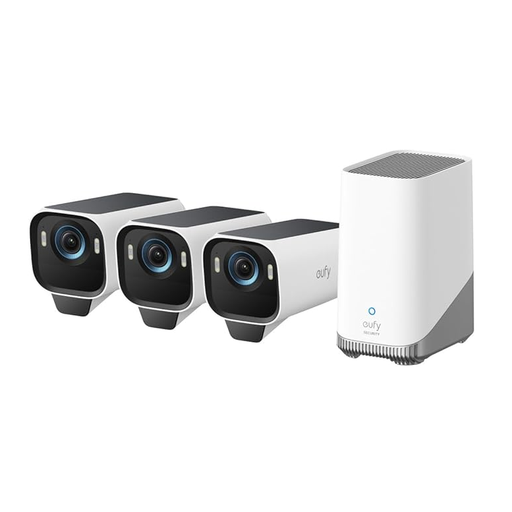
IDEAL FOR: THE PRAGMATIC HOMEOWNER
Its strong suit: This is the ultimate "set it and forget it" solution. The combination of 4K, a solar panel, and local storage makes it an ultra-comprehensive and truly autonomous system with no hidden fees.
How It Avoids the Pitfall
This kit comes with the HomeBase S380, which provides 16 GB of local storage (expandable up to 16 TB!). All features, including AI facial recognition, are accessible without spending an extra dime.
Its Key Strengths
Its near-limitless battery life thanks to SolarPlus technology and its MaxColor Vision colour night vision, which ensures crisp images even in low light.
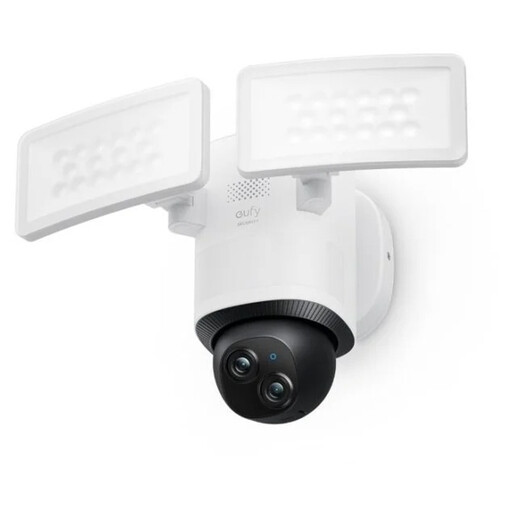
IDEAL FOR: THE ACTIVE GUARDIAN
Its strong suit: Perfect for securing a sensitive area (driveway, entrance, garden). More than just a camera, it's a true active guardian that deters intruders with its powerful floodlight and smart motion tracking.
How It Avoids the Pitfall
Its 360° AI tracking leaves no blind spots and drastically reduces false alerts. The wired power supply ensures continuous recording, while local storage (SD card or optional HomeBase 3) frees you from the burden of subscriptions.
Its Key Strengths
Its dual-lens system (a 3K wide-angle for the overview, a telephoto for zooming) offers formidable versatility. Its 2000-lumen floodlight is a powerful deterrent and provides flawless colour night vision.
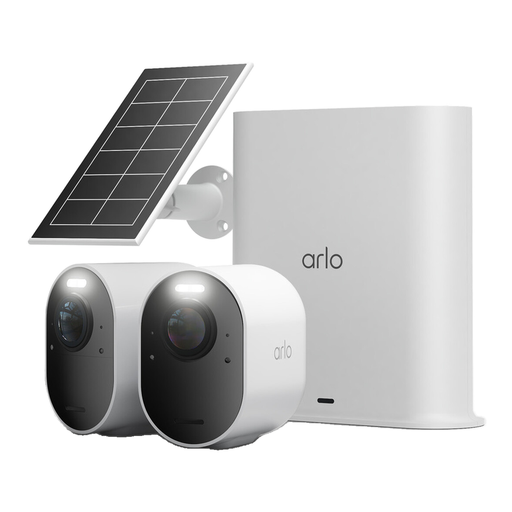
IDEAL FOR: THE DEMANDING TECH ENTHUSIAST
Its strong suit: For those who want the best, without compromise. This kit combines a stunning 4K HDR image, a panoramic field of view, and advanced AI features for ultra-high-performance surveillance.
How It Avoids the Pitfall
Its state-of-the-art colour night vision and 180° field of view (with distortion correction) leave the competition in the dust. The included Smarthub enables local storage, a welcome alternative to a cloud subscription for saving your recordings.
Its Key Strengths
A stunning 4K HDR image quality, an extra-wide 180° field of view, and high-fidelity audio with wind noise reduction. The included solar panel significantly extends battery life.
Need Even More Options?
Discover our complete and regularly updated selection of cameras that meet our demanding selection criteria and comply with French regulations.
Frequently Asked Questions About Outdoor Security Cameras
What is the real-world battery life of a battery-powered camera?
The battery life advertised by manufacturers, often several months, is more marketing than reality. In practice, it depends on many factors:
- Detection Frequency: A camera monitoring a busy driveway will drain much faster than one filming a quiet corner of the garden.
- Video Quality: Recording in 4K is more power-intensive than 1080p.
- The Weather: Extreme cold can significantly reduce battery performance.
- Wi-Fi Signal Strength: If the signal is weak, the camera has to work harder to stay connected, which drains the battery more quickly.
Under normal use, expect to recharge every 4 to 8 weeks, unless you opt for a game-changing solar panel.
Is it legal to install an outdoor camera in France?
Yes, provided you follow strict rules to protect everyone's privacy. Here is what the CNIL (France's data protection authority) says:
- Your camera must film only the inside of your property: your garden, your private driveway, the front of your house.
- It is strictly forbidden to film public roads (streets, sidewalks) or your neighbours' property, even by a few centimetres.
- If you have domestic employees (gardener, home help, etc.), you must inform them of the surveillance system's presence.
It is up to you to correctly adjust the camera's angle and use "privacy zones" (a software feature) to be fully compliant with the law.
Is a 4K camera really useful outdoors?
It all depends on your needs. To monitor a front door or a small garden, a good 2K camera will do the job perfectly and offers excellent value for money. However, if your goal is to be able to zoom in on the image to read a license plate at the end of a long driveway (more than 10-15 metres away) or to identify a face from a distance, then 4K is a fully justified investment. The difference in sharpness when zooming is striking.