
Livraison le jour même ou le lendemain

Qualité garantie

Débloquez vos offres de bienvenue: Livraison GRATUITE | Jusqu'à -80 % | 30 jours d'essai gratuits à JoyPlus
Téléchargez l'application
Protecting your home's perimeter, keeping an eye on your garden, or securing a second property: there are plenty of reasons to invest in a security camera. But with an overwhelming number of options on the market, choosing the right wireless outdoor security camera can quickly become a headache. Wi-Fi or 4G? Battery or solar panel?
Our mission: to help you cut through the noise. This guide breaks down the essential criteria and presents our selection of the must-have models for 2026. The goal is to empower you to make an informed decision, free from marketing jargon.
Before diving into our selection, it's crucial to define your needs. Three key areas require close examination: connectivity, power, and image quality.
This is the heart of your setup. Without a reliable connection, your camera is just a gadget.
"Wire-free" simplifies installation, but battery life remains the main challenge.
This is where it really counts, especially when you need to identify a face or read a license plate.
Here are a few options to consider, each tailored to specific needs.
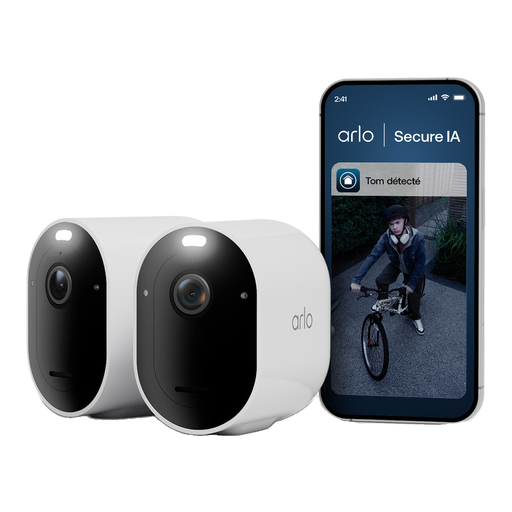
Why it stands out: This two-pack of Arlo cameras is a premium solution for those who demand superior image quality and cutting-edge smart detection. With its 2K+ HDR resolution and an ultra-wide 160° field of view, it covers large areas with formidable precision.
Pros:
Who is it for? For homeowners who want an ultra-high-performance surveillance kit to secure their home's access points, without compromising on image quality or detection intelligence.
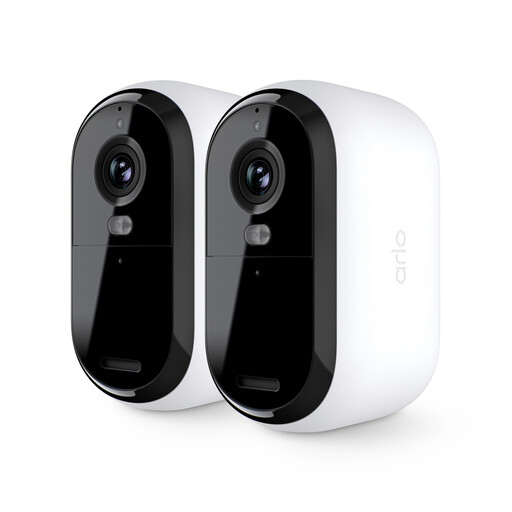
Why it stands out: The marathon runner of the Arlo lineup. The Essential XL version goes all-in on battery life with its extra-large capacity battery. Its promise: to reduce recharging to an absolute minimum while delivering excellent 2K image quality and deterrent features (siren, spotlight).
Pros:
Who is it for? Ideal for those looking for a "set it and forget it" solution, perfect for hard-to-reach places where recharging the battery is a chore.
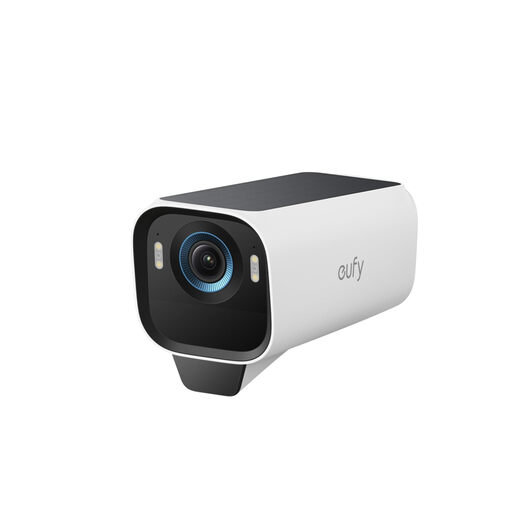
Why it stands out: The eufy S3 Pro is the ultimate all-in-one package: surgical 4K resolution, virtually unlimited battery life thanks to its integrated solar panel, and local storage via the HomeBase 3. It's the very definition of a subscription-free security camera.
Pros:
Who is it for? For demanding tech enthusiasts who want the best in image quality (4K), complete energy independence, and full control over their data, without ever relying on a cloud subscription.
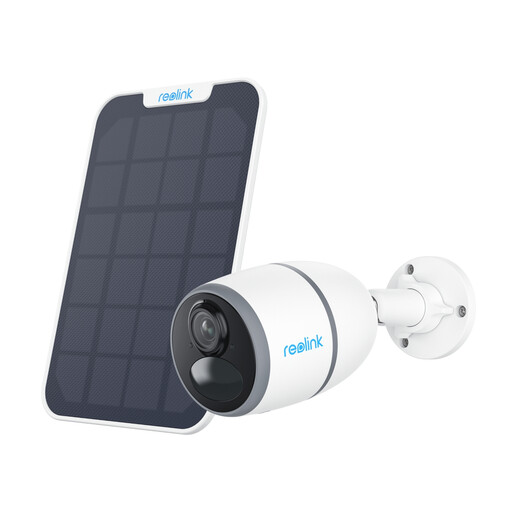
Why it stands out: No Wi-Fi? No problem. The Reolink Go G330 is the rugged explorer of our selection. Thanks to its 4G/3G connectivity, it's designed to monitor the most remote locations. With its included solar panel, it is completely self-sufficient.
Pros:
Who is it for? The perfect solution for second homes, farms, construction sites, or any remote property far from a power outlet and an internet router.
Our selection highlights flagship models, from the highest-performing to the most autonomous. The market is constantly evolving, and other cameras—simpler or designed for specific needs—also deserve your attention.
To explore more solutions, especially those that prioritize battery life, feel free to browse our dedicated category.
? Discover our complete collection of Best Battery-Powered Outdoor Security Cameras to find the perfect model for you.
For a Wi-Fi model, it all depends on your internet router and any obstacles (thick walls, trees, etc.). Expect a theoretical range of 15 to 50 meters (about 50 to 165 feet). The best approach is to test the signal strength with your smartphone at the intended location. For a 4G surveillance camera, the range is unlimited: as long as there is mobile network coverage, it will work.
Absolutely. More and more models, like those from eufy or Reolink, include local storage on a microSD card or via a dedicated base station. You can record and review your videos without ever paying monthly cloud fees.
Yes, that's the main advantage of going wire-free! Typically, you just need to drill a couple of holes for the mount, attach the camera, and follow the steps in the smartphone app. It's a breeze. One crucial point, however: the law requires you to film only your own property. It is forbidden to record public spaces or your neighbors' yards.