
Livraison le jour même ou le lendemain

Qualité garantie

Débloquez vos offres de bienvenue: Livraison GRATUITE | Jusqu'à -80 % | 30 jours d'essai gratuits à JoyPlus
Téléchargez l'application
Protecting your home, holiday property, or business premises without the hassle of complex installation is now easier than ever. The wireless outdoor security camera is the ideal solution, but how do you navigate the jungle of options? Between battery power, 4G connectivity, solar panels, and 2K resolution, the choice can quickly become a headache.
To help you make sense of it all, our experts have analysed the market. This guide provides practical advice and a selection of the best models of 2026 to help you make an informed choice that's perfectly suited to your needs.
Before we unveil our top picks, let's review the key factors that will guide your decision.
The term "wire-free" refers to the absence of power and network cables. However, how the camera connects to the internet remains a crucial factor.
Battery life is the name of the game for a wire-free camera.
A good camera must, above all, provide clear and usable footage.
Our experts have selected three models that meet distinct needs, all of which are relevant in today's market.
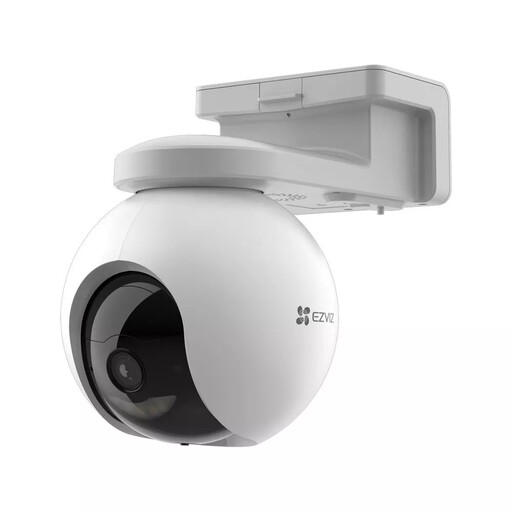
Why it stands out: Its key advantage is its 4G LTE connectivity, which frees it completely from Wi-Fi. Combined with a motorised pan-and-tilt view, it offers a comprehensive surveillance solution for the most remote locations.
Key features:
Who is it for? Ideal for owners of holiday homes, construction site managers, farmers, or anyone who needs to secure a location without a Wi-Fi connection.
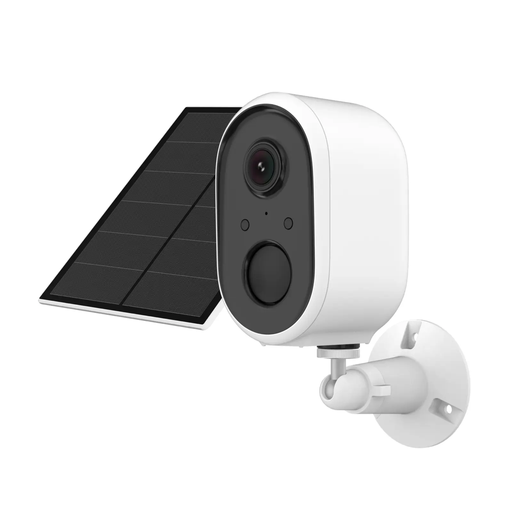
Why it stands out: This model combines solar power for virtually unlimited battery life with compatibility for the TUYA Smart ecosystem, one of the world's most popular smart home platforms.
Key features:
Who is it for? Perfect for smart home enthusiasts who want to unify their home security within the Tuya ecosystem, and for anyone looking for a "set it and forget it" solution.
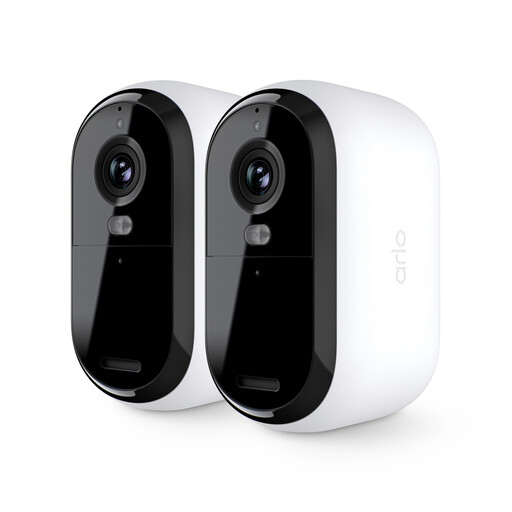
Why it stands out: This security kit goes all-in on one key criterion: battery life. The XL battery promises spectacular runtime, and the two-pack allows you to secure multiple access points cost-effectively.
Key features:
Who is it for? For those who want to equip multiple areas with a reliable and simple solution, and for whom battery life is the number one priority.
To monitor a remote plot of land, a hunting area, or observe wildlife, the requirements are different: camouflage, extreme battery life, completely invisible infrared detection... In this case, a trail camera (or camera trap) is often more suitable.
? Discover our selection of trail cameras for these specific uses.
1. What is the real-world battery life of a battery-powered camera? The advertised battery life is often an optimistic, lab-tested estimate. In practice, it depends on the frequency of detections, the duration of recordings, signal quality, and temperature (cold weather reduces performance). Under real-world conditions, expect 20-30% less battery life, or even more if the camera is heavily used.
2. Is a paid subscription required to use these cameras? Most cameras can be used without a subscription for essential functions like smartphone notifications and live viewing. However, a paid subscription is often required to unlock advanced features: long-term cloud storage, AI-powered smart detection (people, packages, animals), or defining precise activity zones. Always check what's included by default. Fortunately, many models offer local storage on a microSD card, which is an excellent free alternative to the cloud.
3. Is it legal to install an outdoor camera in France? Yes, but under strict rules. You can only film the interior of your property and its direct access points (your gate, your garden path). It is strictly forbidden to film public roads (streets, pavements) or your neighbours' gardens. If you have domestic employees, they must be informed of the cameras' presence. For more information, the CNIL website is the authoritative source on this matter.