
Livraison le jour même ou le lendemain

Qualité garantie

Débloquez vos offres de bienvenue: Livraison GRATUITE | Jusqu'à -80 % | 30 jours d'essai gratuits à JoyPlus
Téléchargez l'application
Protecting your home and loved ones is a priority. But with the jungle of available models, choosing the right wireless outdoor security camera can quickly become a daunting task. Between different resolutions, power options, and storage methods, it's easy to feel overwhelmed.
This guide is here to shed some light on the subject. We'll break down the essential criteria for you and help you find the model that truly meets your needs, without drowning you in unnecessary technical jargon. We will cover the key points to check before buying and present a selection of top products for 2026.
By Joybuy, Head of Product Recommendations
Before you dive in, there are three fundamental criteria to consider when judging a camera's everyday effectiveness and suitability.
The main advantage of wireless cameras is their incredibly simple installation. At the heart of this freedom lies the question of power.
solar outdoor camera?: Equipped with a small photovoltaic panel, it recharges continuously using daylight. This is the ultimate "set it and forget it" solution: cost-effective, eco-friendly, and it saves you the chore of recharging. Of course, its effectiveness will depend on the amount of sunlight in your area and the panel's orientation.To identify a face or read a license plate, high-quality video isn't an option—it's a necessity.
How your videos are saved is a strategic point that directly impacts your budget and the privacy of your data.
Here are three models that caught our eye, each with a different approach to connected security.
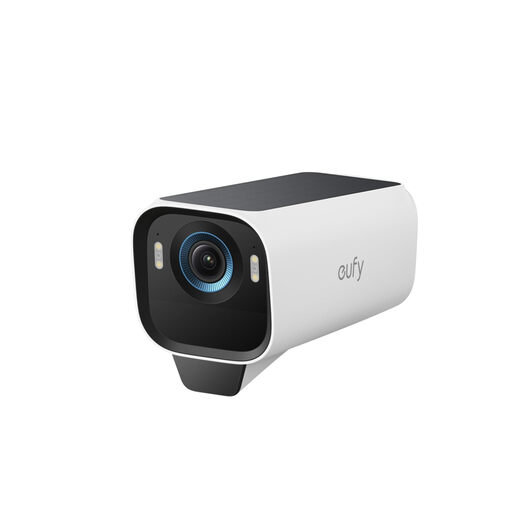
Why we love it?: This model goes all-in on impeccable image quality and complete autonomy. It combines a stunning 4K resolution with MaxColor night vision technology for detailed, full-colour images, even in very low light. Everything is orchestrated by the HomeBase 3, which centralises local storage and includes AI for smarter detection and fewer false alerts.
Key features?:
Who is it for? For those who demand the best in image quality, day or night, and want a complete, private system with no hidden fees.
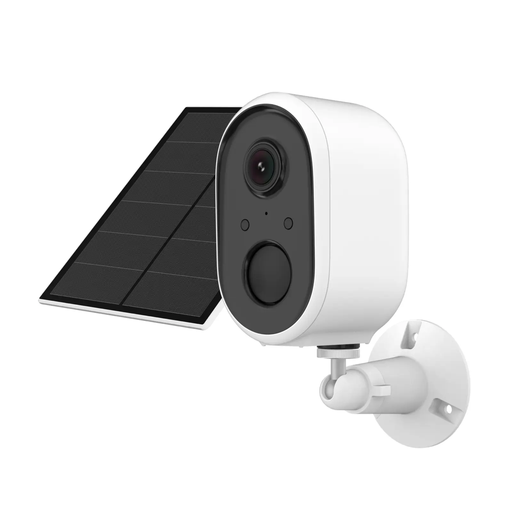
Why we love it?: Its main strength is its integration into the sprawling TUYA (Smart Life) ecosystem, making it compatible with thousands of connected devices. It combines solar power, 2K resolution, and active deterrent features (siren and flash) in a very affordable package.
Key features?:
Who is it for? For fans of the TUYA ecosystem or those looking for an effective and connected solar solution without breaking the bank.
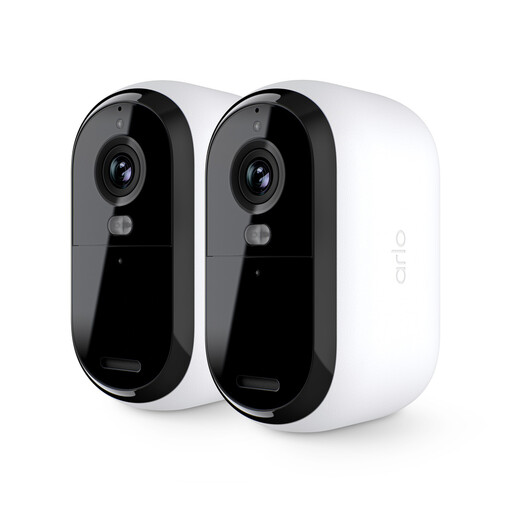
Why we love it?: Sold as a two-camera surveillance kit, this Arlo pack is perfect for securing multiple sensitive areas (entrance, garden, garage) at once. It offers a sharp 2K image, colour night vision thanks to an integrated spotlight, and a siren for deterrence. Its dual-band Wi-Fi compatibility (2.4 GHz and 5 GHz) ensures a more stable and high-performance connection.
Key features?:
Who is it for? For those who want to equip multiple areas with a reliable and simple turnkey solution from a market leader.
Our selection is, of course, just a glimpse. The market is full of models with various special features: motorised cameras (PTZ), ultra-wide viewing angles, or more discreet designs to blend into the background.
If you haven't found what you're looking for, feel free to explore our complete collection of smart battery-powered outdoor security cameras to find that hidden gem.
The range of a Wi-Fi security camera primarily depends on the strength of your router and the obstacles (thick walls, floors, etc.) in its path. Simply put, the 2.4 GHz band has a longer range (ideal for the garden) but is more prone to interference. The 5 GHz band is faster, but its range is shorter. Most cameras favour the 2.4 GHz band to ensure better coverage outdoors.
An internet connection is essential for connected features: receiving alerts on your smartphone, viewing the live feed remotely, or saving videos to the cloud. However, a model with local storage (on a microSD card or a dedicated base station) will continue to record even if your internet router goes down. You can then view the videos once the connection is restored or by retrieving the memory card directly.
Two solutions dominate the market. The first is the rechargeable battery. You have to dismount it to charge it indoors every few weeks or months, depending on usage. The second, which is increasingly popular, is the solar outdoor camera. It combines a battery with a small photovoltaic panel that recharges it continuously. With adequate sunlight, the battery life becomes virtually unlimited. It's the most convenient solution.